
11 Easiest Vegetables to Grow for Complete Beginners
Starting your first vegetable garden can feel overwhelming. Which plants should you choose? What if you kill everything? Take a deep breath – gardening doesn’t have to be complicated. These 11 beginner-friendly vegetables are practically foolproof and will give you the confidence to expand your green thumb.
Why Start with Easy Vegetables?
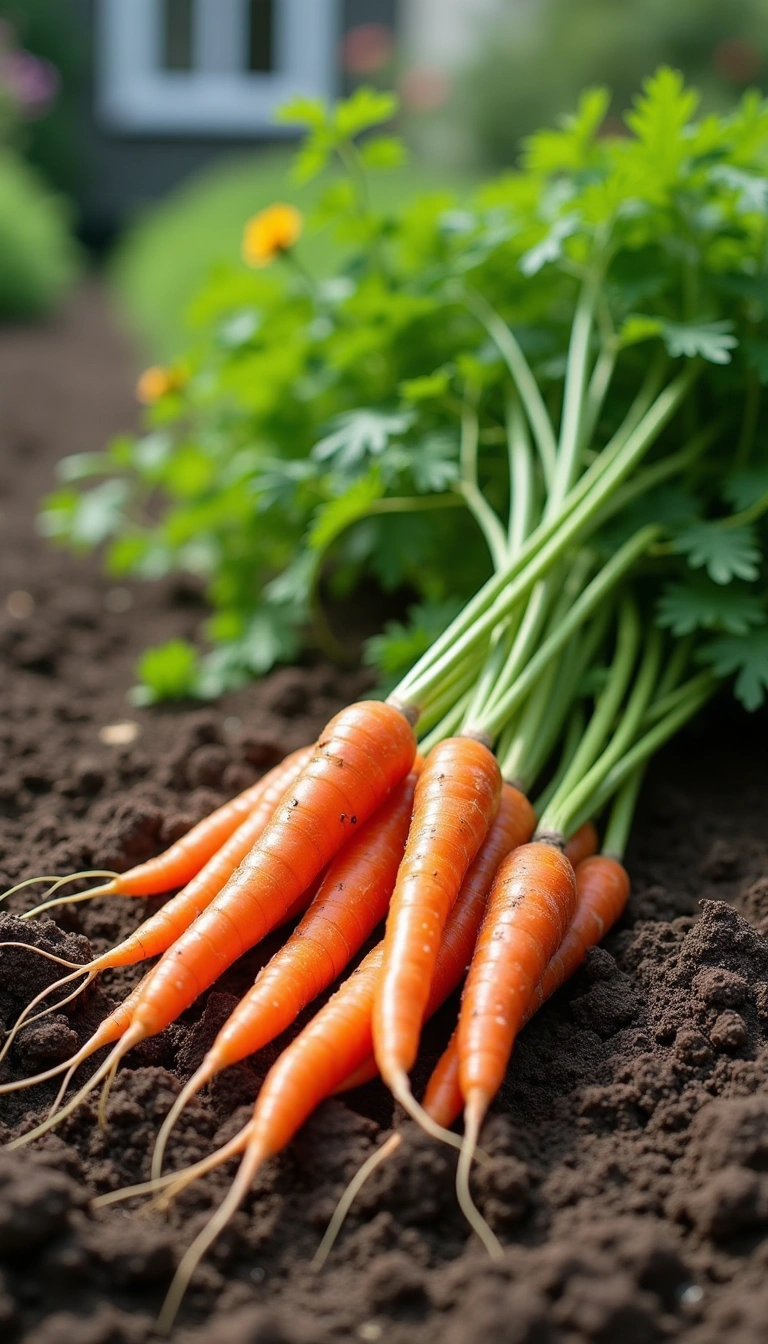
Beginning gardeners often make the mistake of choosing challenging plants that require precise conditions and timing. These plants forgive mistakes while teaching you fundamental gardening principles.
The 11 Easiest Vegetables for Beginners
1. Lettuce
Sunlight Needs: 4-6 hours of direct sunlight (tolerates partial shade)
Watering Schedule: Keep soil consistently moist; water every 2-3 days
Container Size: 6-8 inches deep, 4-6 inches between plants
Pros:
- Grows quickly (30-45 days to harvest)
- Cool-weather tolerant
- Multiple harvests from same plant (cut-and-come-again)
- Thrives in containers
Cons:
- Bolts quickly in hot weather
- Requires consistent moisture
- Susceptible to slugs and snails
2. Radishes
Sunlight Needs: 6+ hours of direct sunlight
Watering Schedule: Water daily in hot weather, every other day in cool weather
Container Size: 6 inches deep minimum, 1-2 inches between plants
Pros:
- Fastest harvest (20-30 days)
- Helps break up compacted soil
- Cool-season crop perfect for spring/fall
- Natural pest deterrent
Cons:
- Short harvest window
- Can become woody if left too long
- Hot weather makes them bitter
3. Spinach
Sunlight Needs: 4-6 hours (prefers morning sun in hot climates)
Watering Schedule: Keep soil evenly moist; water every 2-3 days
Container Size: 6-8 inches deep, 3-4 inches between plants
Pros:
- Highly nutritious
- Tolerates cold weather
- Multiple harvests possible
- Grows well in partial shade
Cons:
- Bolts quickly in heat
- Susceptible to downy mildew
- Short growing season in warm climates
4. Green Beans (Bush variety)
Sunlight Needs: 6+ hours of direct sunlight
Watering Schedule: Deep watering 2-3 times per week
Container Size: 8-10 inches deep, 4-6 inches between plants
Pros:
- No staking required (bush variety)
- Fixes nitrogen in soil
- Continuous harvest for weeks
- Heat tolerant
Cons:
- Sensitive to frost
- Requires warm soil to germinate
- Can be affected by bean beetles
5. Carrots
Sunlight Needs: 6+ hours of direct sunlight
Watering Schedule: Light, frequent watering; keep soil moist but not soggy
Container Size: 12+ inches deep for full-size varieties, 8 inches for baby carrots
Pros:
- Long storage life
- Many varieties available
- Cool-season crop
- Good for succession planting
Cons:
- Requires loose, deep soil
- Long germination period (2-3 weeks)
- Difficult to thin properly
6. Zucchini
Sunlight Needs: 6-8 hours of direct sunlight
Watering Schedule: Deep watering 2-3 times per week at soil level
Container Size: 20+ gallon container (very large plant)
Pros:
- Extremely productive
- Fast growing
- Multiple harvest methods (flowers, baby zukes, full-size)
- Heat tolerant
Cons:
- Takes up significant space
- Prone to squash bugs and vine borers
- Can overwhelm with production
7. Tomatoes (Cherry variety)
Sunlight Needs: 6-8 hours of direct sunlight
Watering Schedule: Deep watering 2-3 times per week; consistent moisture important
Container Size: 5+ gallon container with support structure
Pros:
- Cherry varieties are more disease-resistant
- Continuous harvest
- High yield in small space
- Excellent flavor
Cons:
- Requires staking or caging
- Susceptible to various diseases
- Needs consistent watering to prevent problems
8. Peas
Sunlight Needs: 6+ hours (tolerates partial shade)
Watering Schedule: Moderate watering; drought-tolerant once established
Container Size: 8 inches deep, support structure for climbing varieties
Pros:
- Cool-season crop
- Fixes nitrogen in soil
- Edible pods and shoots
- Tolerates light frost
Cons:
- Requires support structure
- Short harvest window
- Struggles in hot weather
9. Swiss Chard
Sunlight Needs: 4-6 hours (very shade tolerant)
Watering Schedule: Keep soil consistently moist; water every 2-3 days
Container Size: 8-10 inches deep, 6 inches between plants
Pros:
- Extremely heat tolerant
- Beautiful ornamental value
- Cut-and-come-again harvest
- Tolerates various conditions
Cons:
- Can bolt in extreme heat
- Leaves may become bitter in drought
- Susceptible to leaf miners
10. Kale
Sunlight Needs: 4-6 hours (tolerates partial shade)
Watering Schedule: Consistent moisture; water every 2-3 days
Container Size: 8-10 inches deep, 8-12 inches between plants
Pros:
- Extremely cold hardy
- Improves with light frost
- Long harvest period
- Highly nutritious
Cons:
- Can become bitter in extreme heat
- Susceptible to cabbage worms
- May bolt prematurely if stressed
11. Herbs (Basil, Parsley, Cilantro)
Sunlight Needs: 4-6 hours (varies by herb)
Watering Schedule: Allow soil to dry slightly between waterings
Container Size: 6-8 inches deep, varies by herb size
Pros:
- High value crop (expensive to buy)
- Continuous harvest
- Many varieties available
- Natural pest deterrents
Cons:
- Some bolt quickly (cilantro, basil in heat)
- Specific harvest techniques required
- Some herbs have particular soil preferences
Essential Tips for Success
Soil Preparation
Start with quality potting mix for containers or well-amended garden soil. Most vegetables prefer well-draining soil with a pH between 6.0-7.0.
Timing Matters
Plant cool-season crops (lettuce, peas, radishes) in spring and fall. Warm-season crops (tomatoes, zucchini, beans) should wait until after the last frost.
Start Small
Choose 3-4 vegetables for your first garden. It’s better to grow a few plants well than many plants poorly.
Consistent Care
Regular watering and weekly garden checks prevent small problems from becoming big ones.
Common Beginner Mistakes to Avoid
1. Overwatering: More plants die from too much water than too little
2. Overcrowding: Give plants space to grow and air to circulate
3. Ignoring plant tags: Follow spacing and depth recommendations
4. Planting too early: Wait for appropriate soil and air temperatures
5. Expecting perfection: Every gardener kills plants while learning
Container Gardening Considerations
If you’re growing in containers, remember:
- Containers dry out faster than ground soil
- Larger containers provide more consistent moisture
- Ensure adequate drainage holes
- Use quality potting mix, not garden soil
- Consider self-watering containers for consistent moisture
These 11 vegetables offer the perfect starting point for your gardening journey. They’re forgiving, productive, and will teach you essential skills while providing fresh food for your table. Remember, every expert gardener started as a beginner who kept trying.
Start with just a few of these easy vegetables this season. As you gain confidence and experience, you can expand to more challenging crops. The most important step is simply to begin..

Welcome to MithilaConnect, where we curate the art of living, celebrating the vibrant tapestry of life through culture, fashion, food, and everything in between.