
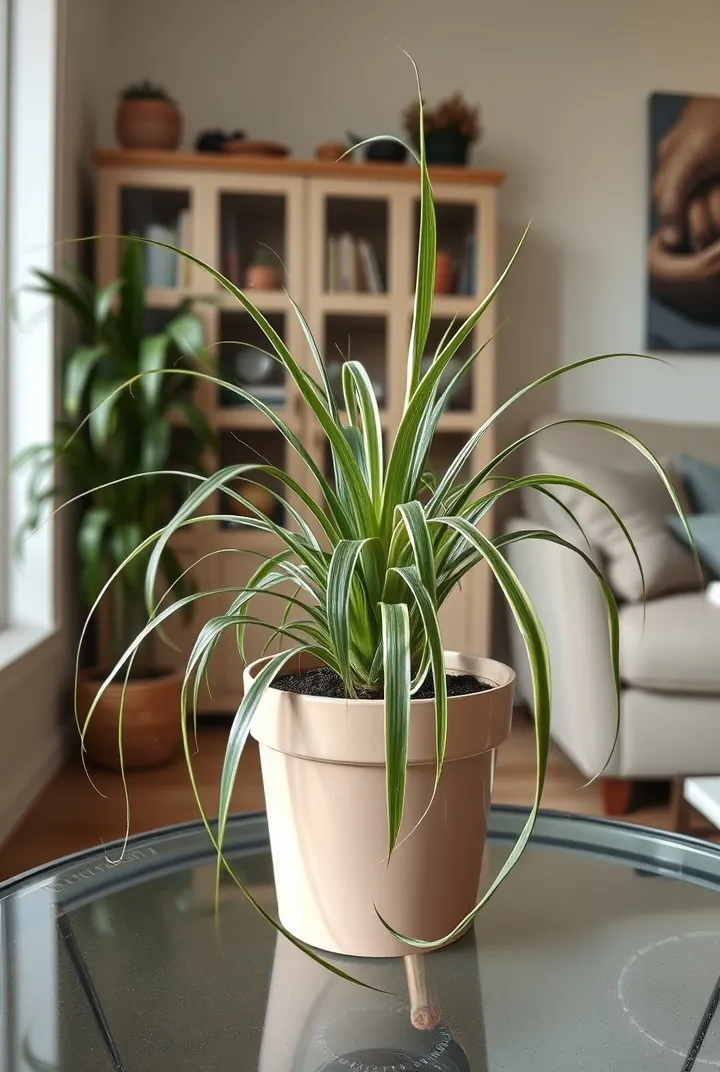
The Complete Spider Plant Care Guide
Are you ready to grow a beautiful spider plant? You’re in the right place! Spider plants are easy to care for. They make your home look fresh and clean. Let’s learn how to keep your spider plant thriving.
Why You’ll Love Spider Plants
Spider plants are perfect for you. Here’s why:
- They clean the air in your home
- They grow fast and look beautiful
- They’re safe for your pets
- They’re hard to kill
- They make baby plants you can share with friends
Spider Plant Care Indoor
You can grow spider plants inside your home easily. They love living indoors with you.
Best Spots for Your Spider Plant
Put your spider plant in these places:
- Near a window with bright, indirect light
- In your bathroom (they love humidity)
- On a shelf or plant stand
- In a hanging basket
Indoor Temperature Guide
Your spider plant likes the same temperature you do. Keep your home between 65°F and 75°F. Don’t put your plant near:
- Air conditioning vents
- Heating vents
- Cold drafts from windows
- Hot radiators
Spider Plant Care Indoor Light
Light is very important for your spider plant. Too much or too little can cause problems.
Perfect Light Conditions
| Light Type | What It Means | Best For |
|---|---|---|
| Bright Indirect Light | Light near a window, but not direct sun | Best growth and babies |
| Medium Light | A few feet from a window | Still grows well |
| Low Light | Far from windows | Survives but grows slowly |
| Direct Sun | Sun shining right on leaves | Avoid this – burns leaves |
Signs Your Plant Needs More Light
Watch for these clues:
- Leaves turn pale or yellow
- Plant stops growing
- No baby plants appear
- Leaves look droopy
Signs Your Plant Gets Too Much Light
Look for these problems:
- Brown, crispy leaf tips
- Pale, washed-out color
- Leaves have brown spots
- Plant looks burnt
Spider Plant Care Outdoor
You can put your spider plant outside in warm months. It enjoys fresh air and natural light.
When to Move Your Plant Outside
Move your plant outdoors when:
- Temperature stays above 55°F at night
- Spring arrives and frost is gone
- Summer days are warm but not too hot
Where to Place Your Plant Outdoors
Choose a good spot:
- Under a porch or patio cover
- In partial shade
- Protected from strong wind
- Away from direct afternoon sun
Bring Your Plant Inside When
Don’t forget to move your plant indoors before:
- Temperature drops below 50°F
- First frost arrives
- Fall turns cold
Spider Plant Care Soil
Good soil keeps your spider plant healthy. You need the right mix.
Best Soil Mix
Your spider plant needs:
- Well-draining potting soil
- Soil that doesn’t stay wet
- A mix with perlite or sand for drainage
DIY Soil Recipe
Make your own perfect mix:
- Take 2 parts regular potting soil
- Add 1 part perlite or coarse sand
- Mix well
- Fill your pot
Signs of Bad Soil
Change your soil if you see:
- Water sits on top and won’t drain
- Soil smells bad or moldy
- Soil is hard and compact
- Roots can’t breathe
How to Water Your Spider Plant
Watering is easy once you know the rules. Follow these simple steps.
Watering Schedule
| Season | How Often | Why |
|---|---|---|
| Spring | Every 7-10 days | Growing season |
| Summer | Every 5-7 days | Hot and dry |
| Fall | Every 10-14 days | Slowing growth |
| Winter | Every 14-21 days | Dormant period |
The Finger Test
Use this easy trick:
- Stick your finger in the soil
- Go down 1-2 inches deep
- If it feels dry, water your plant
- If it feels damp, wait a few days
How to Water Properly
Follow these steps:
- Water until it drains from the bottom
- Let all excess water drain out
- Empty the drainage tray
- Don’t let your plant sit in water
Warning Signs
Too Much Water:
- Yellow leaves
- Soggy soil
- Root rot smell
- Mushy brown roots
Too Little Water:
- Brown, crispy tips
- Drooping leaves
- Dry, hard soil
- Slow growth
Spider Plant Care in Water
You can grow spider plants in just water. It’s called hydroponics.
How to Grow Your Plant in Water
Follow these easy steps:
- Choose a clear glass or vase
- Fill it with room temperature water
- Place your plant so roots touch water
- Keep leaves above the water line
Water Care Tips
Take good care of your water-grown plant:
- Change the water every week
- Use filtered or distilled water if possible
- Add liquid fertilizer once a month
- Clean the container when you change water
Moving from Soil to Water
You can switch your plant to water:
- Remove your plant from soil
- Wash all soil off the roots gently
- Place in water container
- Wait for water roots to grow (they’re white and thin)
Spider Plant Care Brown Tips
Brown tips are common but fixable. You can solve this problem.
Why Your Plant Gets Brown Tips
| Cause | Solution |
|---|---|
| Tap water chemicals | Use filtered or distilled water |
| Low humidity | Mist your plant or use a humidifier |
| Too much fertilizer | Flush soil with water, fertilize less |
| Underwatering | Water more regularly |
| Dry air | Keep away from heaters |
How to Fix Brown Tips
Here’s what you do:
- Cut off brown tips with clean scissors
- Cut at an angle to look natural
- Fix the problem causing brown tips
- New growth will be healthy
Preventing Brown Tips
Stop brown tips before they start:
- Let tap water sit overnight before using
- Keep humidity around 40-50%
- Fertilize only in growing season
- Water before soil gets bone dry
Spider Plant Fertilizer Guide
Your plant needs food to grow big and strong. Feed it the right way.
When to Fertilize
Feed your plant:
- Every 2-4 weeks in spring
- Every 2-4 weeks in summer
- Once a month in fall
- Don’t fertilize in winter
What Fertilizer to Use
Choose the right type:
- Balanced liquid fertilizer (10-10-10 or 20-20-20)
- Dilute to half strength
- Indoor plant food works great
How to Apply Fertilizer
Follow these steps:
- Water your plant first
- Mix fertilizer with water
- Pour on soil, not leaves
- Use less than the bottle says
Spider Plant Propagation
Making baby plants is fun and easy. You can grow many new plants for free.
Method 1: Plantlets in Soil
This is the easiest way:
- Look for baby plants on long stems
- Choose plantlets with small roots
- Cut the baby with stem attached
- Plant in small pot with moist soil
- Keep soil damp for 2 weeks
- Baby will grow roots
Method 2: Plantlets in Water
Try this simple method:
- Cut a plantlet from the mother plant
- Place in a glass of water
- Put in bright, indirect light
- Change water every few days
- Wait for roots to grow 2 inches long
- Plant in soil
Method 3: Leave Attached
This way is safest:
- Place a small pot near the mother plant
- Fill with potting soil
- Set plantlet on top of soil (don’t cut it yet)
- Wait for it to root in the new pot
- Then cut the connecting stem
- You have a new plant
When Plantlets Are Ready
Your baby plants are ready when they have:
- Leaves that are 2-3 inches long
- Small white roots starting to grow
- Healthy green color
- Several leaves
Common Spider Plant Problems and Solutions
Problem: Yellow Leaves
What causes it:
- Too much water
- Not enough light
- Old age (bottom leaves)
How to fix it:
- Check your watering schedule
- Move to brighter spot
- Remove old yellow leaves
Problem: Brown Leaf Tips
What causes it:
- Chemicals in tap water
- Low humidity
- Too much fertilizer
How to fix it:
- Switch to filtered water
- Mist your plant
- Cut back on fertilizer
Problem: No Baby Plants
What causes it:
- Not enough light
- Plant is too young
- Wrong pot size
How to fix it:
- Move to brighter location
- Be patient (plants need to mature)
- Keep plant slightly root-bound
Problem: Pale Leaves
What causes it:
- Too much direct sun
- Needs fertilizer
How to fix it:
- Move away from direct sun
- Feed during growing season
Problem: Drooping Leaves
What causes it:
- Needs water
- Too cold
- Root problems
How to fix it:
- Water thoroughly
- Move to warmer spot
- Check roots for rot
Spider Plant Varieties You’ll Love
Try these beautiful types:
Classic Varieties
Spider Plant ‘Vittatum’
- Green leaves with white center stripe
- Most common type
- Very easy to grow
Spider Plant ‘Variegatum’
- Green center with white edges
- Looks elegant
- Same easy care
Spider Plant ‘Bonnie’
- Curly, compact leaves
- Takes less space
- Perfect for small areas
Special Varieties
Spider Plant ‘Ocean’
- Green and white stripes
- Slightly curly leaves
- Unique look
Solid Green Spider Plant
- All green leaves
- Tolerates low light better
- Grows faster
Your Spider Plant Care Calendar
Spring (March – May)
- Start fertilizing every 2-4 weeks
- Water more as plant grows
- Repot if roots are crowded
- Move outside if weather is warm
- Remove dead leaves
Summer (June – August)
- Water more often in heat
- Keep fertilizing regularly
- Watch for pests
- Propagate baby plants
- Keep out of direct sun
Fall (September – November)
- Reduce watering slowly
- Fertilize less often
- Bring outdoor plants inside
- Check for pests before bringing in
- Cut back brown tips
Winter (December – February)
- Water less frequently
- Stop fertilizing
- Keep away from cold drafts
- Provide extra light if needed
- Let plant rest
Quick Care Reference Sheet
Spider Plant Basics
| Care Need | What to Do |
|---|---|
| Light | Bright, indirect light |
| Water | When top 1-2 inches of soil is dry |
| Temperature | 65°F to 75°F |
| Humidity | 40-50% (average home) |
| Fertilizer | Every 2-4 weeks spring/summer |
| Soil | Well-draining potting mix |
| Pot | With drainage holes |
| Repotting | Every 1-2 years |
Warning Signs Chart
| What You See | What It Means | What to Do |
|---|---|---|
| Yellow leaves | Too much water | Water less often |
| Brown tips | Tap water chemicals | Use filtered water |
| Pale leaves | Too much sun | Move to shadier spot |
| No growth | Needs food or light | Fertilize and move to brighter spot |
| Droopy leaves | Needs water | Water thoroughly |
| Black roots | Root rot | Cut bad roots, repot in fresh soil |
Your Action Plan for Spider Plant Success
Ready to start? Follow this simple plan:
Week 1: Set Up for Success
- Choose the perfect spot (bright, indirect light)
- Get a pot with drainage holes
- Buy good potting soil
- Check your watering schedule
Week 2-4: Establish Routine
- Water when top soil is dry
- Watch your plant adjust
- Remove any dead leaves
- Note how fast soil dries
Month 2-3: Regular Care
- Start fertilizing if it’s spring or summer
- Check for brown tips
- Look for baby plants
- Keep up with watering
Month 4+: Enjoy Your Plant
- Propagate babies to share
- Trim as needed
- Adjust care based on seasons
- Celebrate your success
Helpful Tips for Busy People
You have a busy life. These tips help you keep your plant healthy with less work.
Time-Saving Tricks
- Water all your plants on the same day each week
- Set a phone reminder for watering
- Keep scissors near your plants for quick trimming
- Use self-watering pots for vacations
Low-Maintenance Setup
Make care easier:
- Use a pot with drainage tray (less mess)
- Keep fertilizer mixed and ready
- Put plants in bathroom for humidity
- Group plants together
Vacation Care
Going away? Do this:
- Water well before you leave
- Move plant away from direct sun
- Ask a friend to check once a week
- Use a water globe or self-waterer
Spider Plant Care for Beginners
New to plants? You can do this! Spider plants are perfect for learning.
Your First Spider Plant Checklist
Get these supplies:
- Spider plant (from nursery or friend)
- Pot with drainage hole (6-8 inches)
- Potting soil
- Saucer or drainage tray
- Scissors for trimming
- Liquid fertilizer
- Watering can
Beginner Mistakes to Avoid
Don’t do these things:
- Don’t water on a schedule (check soil instead)
- Don’t use a pot without drainage
- Don’t put in direct sun
- Don’t forget to empty drainage tray
- Don’t over-fertilize
Easy Success Steps
Follow this simple plan:
- Start with one healthy plant
- Pick a good spot with bright light
- Water only when soil feels dry
- Be patient and watch your plant grow
- Learn from your plant
Frequently Asked Questions
How often should you water a spider plant?
You should water when the top 1-2 inches of soil feels dry. This is usually every 7-10 days. Check with your finger before watering.
Can spider plants live in low light?
Yes, your spider plant can survive in low light. But it will grow slowly. It won’t make many baby plants. Bright, indirect light is best.
Why does your spider plant have brown tips?
Brown tips usually come from tap water chemicals. They can also mean low humidity or too much fertilizer. Use filtered water to fix this problem.
How do you propagate spider plants?
You can cut baby plants off the mother. Put them in water until roots grow. Then plant in soil. You can also plant babies directly in soil.
Are spider plants safe for pets?
Spider plants are non-toxic to cats and dogs. They are safe to have in your home. But cats might chew the leaves because they look like grass.
When should you repot your spider plant?
You should repot every 1-2 years. Repot when roots come out of drainage holes. Spring is the best time to repot.
Do spider plants need fertilizer?
Yes, your plant needs fertilizer during spring and summer. Feed it every 2-4 weeks with diluted liquid fertilizer. Don’t fertilize in winter.
How long do spider plants live?
Spider plants can live for many years with good care. Some plants live 10-20 years or more. They keep making baby plants too.
Your Spider Plant Success Story Starts Now
You now know everything you need to grow a beautiful spider plant. You can keep it healthy and happy. You can even make new plants to share.
Remember these key points:
- Give your plant bright, indirect light
- Water when soil is dry
- Use filtered water for best results
- Fertilize in growing season
- Propagate babies for more plants
Start today and watch your spider plant thrive. You’ll love having this easy, beautiful plant in your home. Your spider plant will clean your air and bring you joy for years to come.
Happy planting!
Print This Care Sheet
Want a quick reference? Copy these care basics:
SPIDER PLANT CARE BASICS
✓ Light: Bright, indirect
✓ Water: When top soil is dry
✓ Temperature: 65°F – 75°F
✓ Humidity: Average home humidity
✓ Fertilize: Spring & summer only
✓ Soil: Well-draining potting mix
✓ Special tip: Use filtered water for no brown tips
Keep this near your plant for easy reference!

Welcome to MithilaConnect, where we curate the art of living, celebrating the vibrant tapestry of life through culture, fashion, food, and everything in between.