
How to Grow a Huge Blueberry Harvest at Home (Beginner Guide)
Growing your own blueberries at home is one of the most rewarding things you can do in your garden. These sweet, healthy berries are packed with vitamins and taste amazing fresh off the bush. The best part? With the right care, your blueberry plants can produce fruit for decades!
Many people think blueberries are hard to grow, but that’s not true. Once you understand what these plants need, you’ll be picking buckets of berries every summer. This guide will teach you everything you need to know to grow a huge blueberry harvest, even if you’re just starting out.
Choosing the Right Blueberry Plants
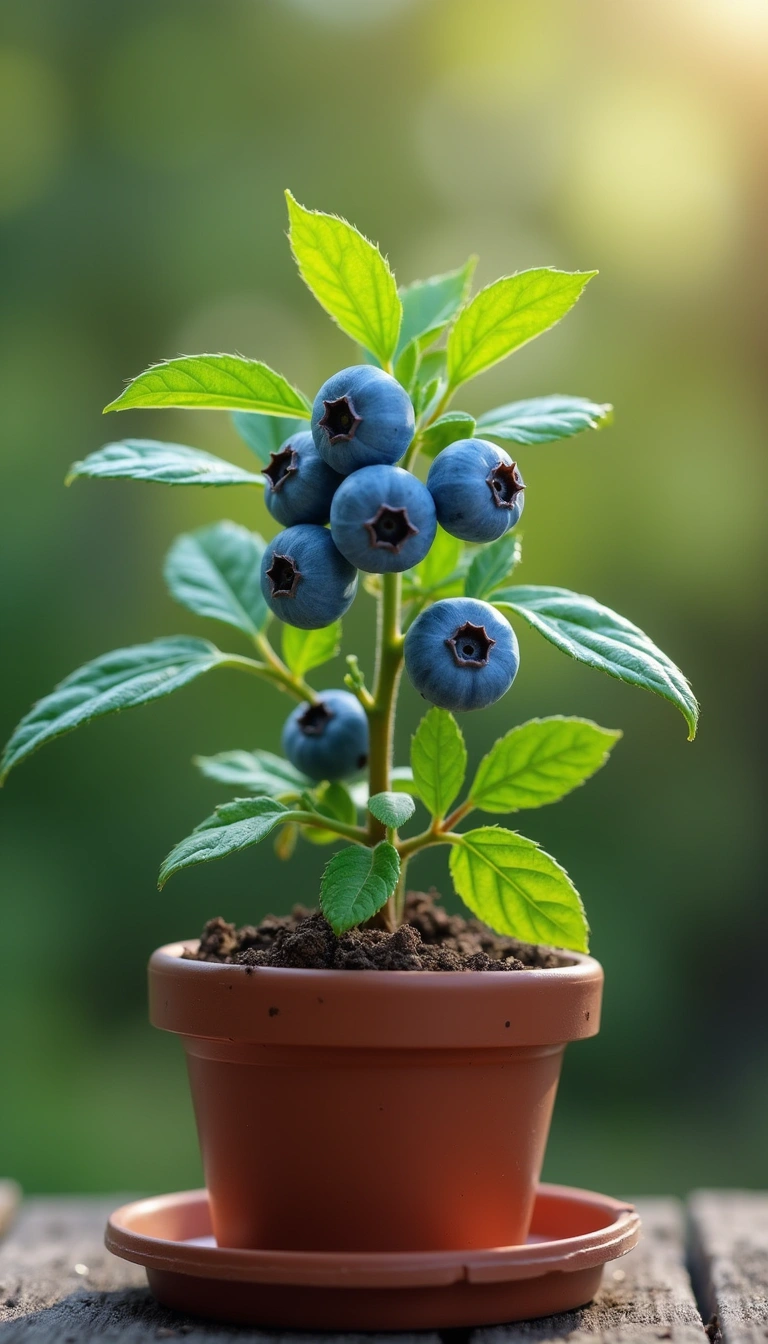
The first step to growing lots of blueberries is picking the right plants for your area. There are three main types of blueberry bushes:
Lowbush blueberries grow close to the ground and work well in cold areas. They’re perfect for zones 3-6.
Highbush blueberries are the most common type. They grow tall and work in zones 4-7.
Southern highbush blueberries are made for hot weather in zones 7-10.
Always buy at least two different types of blueberry plants. When different varieties bloom at the same time, they help each other make more fruit. This is called cross-pollination, and it’s the secret to getting huge harvests.
Understanding Chill Hours
Chill hours are one of the most important things to understand about blueberries. These are the number of hours your plants need to spend in cold weather (between 32°F and 45°F) during winter. Without enough chill hours, your blueberry bushes won’t bloom or make fruit properly.
Different blueberry types need different amounts of chill hours:
• Low-chill varieties: 150-400 hours (good for warm areas)
• Medium-chill varieties: 400-650 hours (good for most areas)
• High-chill varieties: 650-1000+ hours (good for cold areas)
Check with your local garden center or county extension office to find out how many chill hours your area gets each winter. Then pick blueberry varieties that match your climate. This one step will make a huge difference in how much fruit you get.
Getting Your Soil Ready
Blueberries are very picky about their soil. They need soil that drains water well but stays a little moist. Heavy clay soil that holds too much water will kill your plants. Sandy soil that dries out too fast won’t work either.
The best soil for blueberries has lots of organic matter like compost, aged manure, or peat moss mixed in. This helps the soil hold the right amount of water and gives your plants the nutrients they need.
Plant your blueberry bushes in a spot that gets full sun for at least 6-8 hours per day. More sun means more flowers, and more flowers means more berries. Make sure the area has good air flow too, as this helps prevent diseases.
Soil Acidity and pH Levels
Here’s something many new gardeners don’t know: blueberries need acidic soil to grow well. The pH level measures how acidic or basic your soil is. Blueberries need a pH between 4.5 and 5.5. Most garden soil has a pH around 6.0-7.0, which is too high for blueberries.
You can test your soil pH with a simple test kit from any garden center. If your soil isn’t acidic enough, don’t worry! Here’s how to fix it:
Add sulfur: This slowly lowers pH over several months. Use 1-2 pounds per 100 square feet.
Mix in peat moss: This helps lower pH and improves soil texture.
Use pine needles: Add a thick layer around your plants as mulch.
Test your soil pH every year and add sulfur as needed. Keeping the right pH level is one of the most important things you can do for healthy, productive blueberry plants.
Planting Your Blueberry Bushes
The best time to plant blueberries is in early spring or fall when the weather is cool. Dig holes that are twice as wide as the root ball but only as deep. Blueberries have shallow roots that like to spread out near the surface.
Space your plants 4-6 feet apart in rows that are 8-10 feet apart. This gives them room to grow and makes it easier to pick berries and prune later.
After planting, add a 4-inch layer of mulch around each plant. Good mulch options include pine bark, wood chips, or pine needles. Mulch helps keep the soil moist, controls weeds, and slowly adds organic matter to the soil as it breaks down.
Watering Your Blueberry Plants
Blueberries need about 1-2 inches of water per week, including rainfall. Their shallow roots dry out quickly, so regular watering is very important, especially during hot summer weather.
Water slowly and deeply rather than giving your plants quick, light waterings. A soaker hose or drip irrigation system works great. Try to water early in the morning so the leaves can dry before evening. Wet leaves at night can lead to diseases.
Check the soil moisture by sticking your finger 2-3 inches into the ground near your plants. If it feels dry, it’s time to water. The soil should feel like a damp sponge – moist but not soggy.
Fertilizing Schedule for Maximum Harvest
Blueberries need regular feeding to produce lots of berries, but they’re sensitive to too much fertilizer. Here’s a simple fertilizing schedule that works great:
Early Spring (March-April):
Apply an acid-loving plant fertilizer or azalea fertilizer around each plant. Follow the package directions for amounts. You can also use organic options like fish meal or blood meal.
Late Spring (May):
Add a second light feeding of the same fertilizer. This supports the plants during bloom and fruit development.
Summer (June-July):
Stop fertilizing with nitrogen-based fertilizers. Too much nitrogen late in the season can reduce fruit production and make plants more likely to get winter damage.
Fall (September-October):
Apply a phosphorus and potassium fertilizer to help plants store energy for winter and next year’s crop.
Never fertilize blueberries with regular lawn fertilizer or anything with a lot of nitrogen late in the growing season. Stick to fertilizers made for acid-loving plants, and always water well after fertilizing.
Pruning for Bigger Harvests
Pruning your blueberry bushes might seem scary, but it’s one of the best things you can do to get more berries. Proper pruning helps plants stay healthy, increases air flow, and encourages more fruit production.
When to Prune:
Prune your blueberry bushes during late winter or very early spring while they’re still dormant. This is usually February or March, depending on your location.
First Year Pruning:
For newly planted bushes, remove any flowers that appear the first year. This might seem wasteful, but it helps the plant put all its energy into growing strong roots and branches instead of making fruit.
Years 2-3:
Remove any dead, damaged, or diseased branches. Cut out weak, thin branches that are smaller than a pencil. Remove any branches that are growing along the ground or crossing over other branches.
Mature Plants (4+ years):
Continue removing dead and damaged wood. Cut out the oldest, thickest canes (branches) each year – usually 1-3 per plant. This makes room for new, productive growth. Remove any suckers growing from the base of the plant.
Always use clean, sharp pruning tools to make clean cuts. Wipe your tools with rubbing alcohol between plants to prevent spreading diseases.
Protecting Your Harvest
Birds love blueberries just as much as you do! As your berries start to ripen, you’ll need to protect them. Bird netting is the most effective way to keep birds away from your crop. Put the netting over your bushes when the berries start turning blue.
Make sure the netting doesn’t touch the berries directly, as birds can still peck through it. Use stakes or a simple frame to hold the netting away from the plants.
Other pests to watch for include aphids, scale insects, and mites. Regular inspection of your plants will help you catch problems early. Insecticidal soap or horticultural oil can handle most pest problems safely.
Harvesting Your Blueberries
Blueberries are ready to pick when they’re fully blue and come off the bush easily with a gentle touch. Don’t pick berries that are still red or purple – they need more time to ripen and develop full sweetness.
Harvest every 3-4 days during peak season. Ripe berries will keep producing for 4-6 weeks, so you’ll have fresh berries all summer long. Pick in the morning when it’s cool for the best flavor and longest storage life.
A mature blueberry bush can produce 5-15 pounds of berries per year. With proper care, your plants will keep producing for 30-50 years or more!
Common Problems and Solutions
Yellow leaves: Usually means the soil pH is too high or the plant needs more iron. Test and adjust your soil pH.
Few berries: Could be lack of cross-pollination, not enough chill hours, or over-fertilizing with nitrogen.
Small berries: Often caused by not enough water during fruit development or overcrowded branches that need pruning.
Most blueberry problems can be prevented with proper soil pH, regular watering, and annual pruning. Don’t get discouraged if you have issues the first year or two – blueberry growing gets easier with experience.
Your Path to Blueberry Success
Growing a huge blueberry harvest at home isn’t as hard as it might seem. Focus on these key points: choose the right varieties for your climate, maintain acidic soil, water regularly, fertilize properly, and prune annually. With patience and consistent care, you’ll be enjoying bowls of fresh, homegrown blueberries for decades to come.
Start small with 2-3 plants to learn what works in your yard, then expand your blueberry patch as you gain confidence. There’s nothing quite like the taste of a sun-warmed blueberry picked fresh from your own backyard!

Welcome to MithilaConnect, where we curate the art of living, celebrating the vibrant tapestry of life through culture, fashion, food, and everything in between.