
Profitable Things to Sell: From Teen Side Hustles to Small Business Start-Ups
Finding profitable things to sell can transform your financial future starting today. Many people struggle to identify products that actually make money. Smart entrepreneurs know the secret lies in matching demand with simple execution. You’re about to discover proven items that generate real income across multiple selling platforms.
1. Handmade Crafts and Art
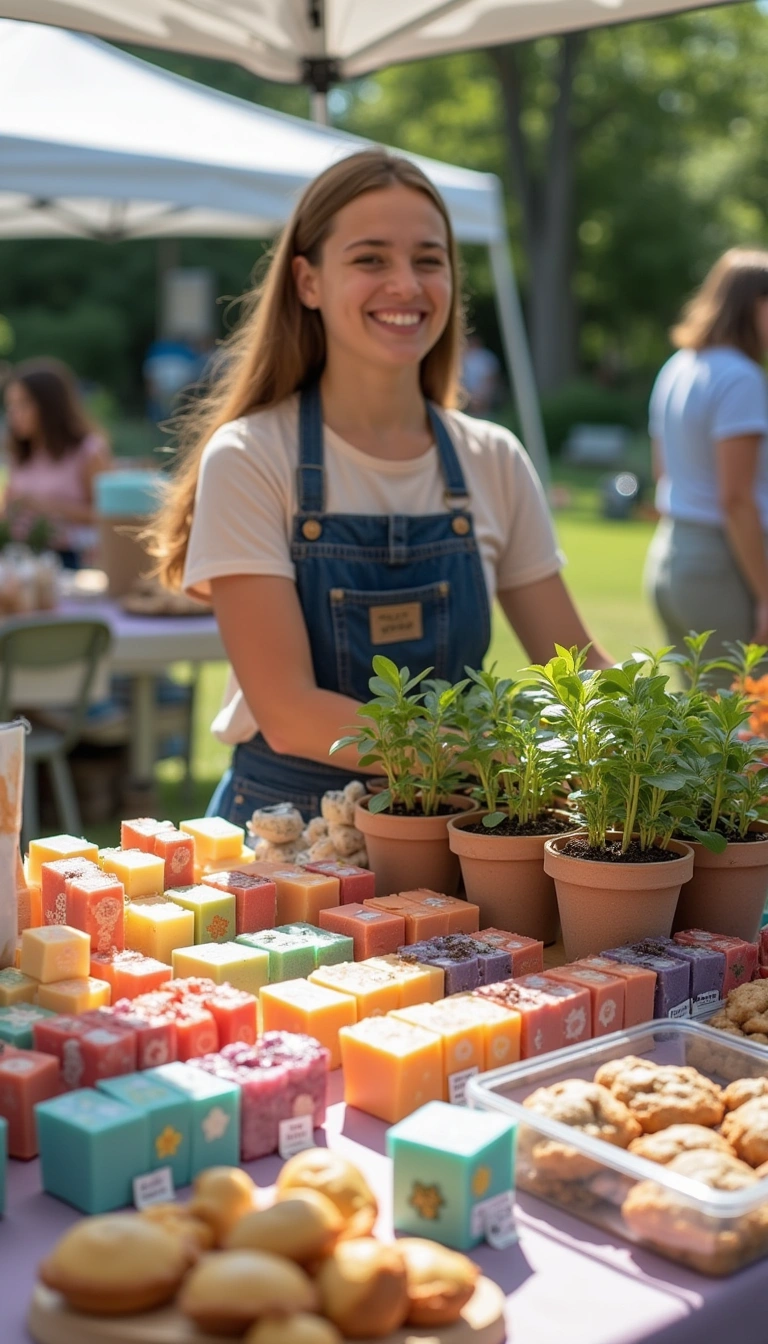
Handmade items consistently rank among the top profitable things to sell because customers value uniqueness and personal touch. You can create products that mass manufacturers can’t replicate, giving you a competitive edge in local and online markets.
Popular handmade items include jewelry, candles, soaps, and painted signs. These products work well for craft fairs, Etsy shops, and pop-up events. Start with simple designs using affordable materials from craft stores.
Your takeaway: Focus on one craft type first, master it, then expand your product line based on customer feedback.
2. Homemade Food Items
Food products offer excellent profit margins when you follow local health regulations and licensing requirements. People always need to eat, making this a recession-proof market with repeat customers who return for quality products.
Baked goods, jams, hot sauces, and specialty snacks perform well at farmers markets and school events. A teen in Texas makes $200 weekly selling homemade cookies at lunch time. Check your state’s cottage food laws for guidelines.
Tip: Start with three signature recipes that use common ingredients to keep costs low and profits high.
3. Digital Products and Printables
Digital products require zero inventory and can be sold repeatedly without additional production costs. Once you create a digital file, you can sell it thousands of times, making this one of the most scalable business models.
Printable planners, wall art, worksheets, and digital templates sell well on Etsy and personal websites. A high school student earns $500 monthly selling study guides and note templates to classmates online.
Your takeaway: Create digital products that solve specific problems for your target audience, then automate the sales process.
4. Plants and Garden Products
The houseplant market has exploded, with millennials and Gen Z driving demand for affordable green additions to their living spaces. Plant propagation allows you to multiply your inventory naturally while keeping startup costs minimal.
Succulents, herb seedlings, and propagated houseplants sell quickly at farmers markets and online. You can also sell planters, plant food, and gardening accessories. Start with easy-to-grow varieties like pothos or snake plants.
Tip: Bundle plants with decorative pots and care instructions to increase your average sale value.
5. School Supplies and Accessories
Students constantly need supplies, making schools a reliable market for practical items. You can sell during lunch periods, before classes, or at designated market days when schools allow student vendors.
Popular school items include pens, highlighters, phone accessories, stickers, and small snacks. A middle schooler in California makes $50 weekly selling decorated pencils and erasers to classmates during breaks.
Your takeaway: Focus on trendy, affordable items that students use daily and can easily carry in their backpacks.
6. Seasonal and Holiday Items
Seasonal products create urgency and allow you to charge premium prices during peak demand periods. You can plan your inventory around holidays, weather changes, and local events throughout the year.
Christmas ornaments, Halloween decorations, summer accessories, and back-to-school items all have predictable selling seasons. Start preparing inventory 2-3 months before each season to maximize profits.
Tip: Create a seasonal calendar to plan your product launches and inventory purchases for maximum profitability.
7. Personal Care and Beauty Products
The beauty industry continues growing as people prioritize self-care and natural ingredients. Homemade beauty products often cost less to make than store-bought alternatives while offering customization options.
Lip balms, bath bombs, face masks, and hair accessories sell well at craft fairs and online. Use natural ingredients and attractive packaging to justify higher prices. Always research safety guidelines for cosmetic products.
Your takeaway: Start with simple recipes using proven safe ingredients, then expand as you learn more about product formulation.
8. Pet Products and Accessories
Pet owners spend billions annually on their furry friends, creating opportunities for creative entrepreneurs. Pet products often have loyal customers who prioritize quality over price for their beloved animals.
Dog treats, pet toys, bandanas, and feeding accessories work well at farmers markets and pet stores. A teen entrepreneur makes $300 monthly selling homemade dog biscuits at local pet shops and online.
Tip: Partner with local veterinarians or pet stores to reach more customers and build credibility for your products.
9. Technology Accessories
Everyone owns multiple electronic devices, creating constant demand for accessories, cases, and charging solutions. These products typically have high profit margins and appeal to all age groups.
Phone cases, screen protectors, charging cables, and pop sockets sell well at schools and pop-up shops. You can buy wholesale and resell, or create custom designs for higher profits.
Your takeaway: Stay current with new device releases to ensure your accessories match the latest phone and tablet models.
10. Vintage and Upcycled Items
Thrift flipping transforms unwanted items into trendy products while promoting sustainability. You can find inventory at garage sales, thrift stores, and estate sales, then resell for significant profits. Vintage clothing, refurbished furniture, and upcycled home decor appeal to environmentally conscious consumers. Research current trends on social media to identify which vintage items are most desirable.
Tip: Learn basic repair and cleaning techniques to maximize the value of items you find at thrift stores.
11. Educational Services and Tutoring
Your knowledge and skills can become profitable services, especially if you excel in particular subjects or activities. Service-based businesses require minimal startup costs while offering flexible scheduling options.
Tutoring, music lessons, and homework help services can earn $15-30 per hour depending on your location and expertise. Create flyers for school bulletin boards and ask teachers for referrals.
Your takeaway: Focus on subjects where you consistently earn A’s or activities where you have demonstrated skills and experience.
12. Subscription Boxes and Bundles
Subscription models create recurring revenue and predictable income streams. You can curate products around specific themes or interests, then deliver them monthly to paying subscribers.
Snack boxes, art supplies, or book collections work well for subscription services. Start small with 10-20 subscribers to test your concept before scaling up operations.
Tip: Survey potential customers about their preferences before launching to ensure your subscription box meets real demand.
13. Farm Stand Fresh Produce
If you have garden space, growing vegetables and herbs can provide steady income during growing seasons. Fresh, locally grown produce commands premium prices at farmers markets and farm stands.
Tomatoes, lettuce, herbs, and flowers are profitable crops that grow relatively quickly. Many customers prefer buying directly from growers to ensure freshness and support local agriculture.
Your takeaway: Start with fast-growing, high-value crops like herbs and salad greens that can be harvested multiple times per season.
14. Event and Party Supplies
People celebrate year-round, creating consistent demand for party decorations, favors, and supplies. You can create custom items for specific events or stock general party essentials.
Balloon arrangements, custom banners, party favors, and themed decorations sell well through social media marketing and word-of-mouth referrals. Partner with local event planners for larger orders.
Tip: Create sample displays and photo galleries to show potential customers exactly what you can create for their events.
15. Fitness and Wellness Products
The health and wellness industry continues expanding as people prioritize physical and mental well-being. Simple fitness accessories and wellness products can be made at home or purchased wholesale.
Resistance bands, water bottles, yoga accessories, and motivational products appeal to health-conscious consumers. Market these items at gyms, wellness fairs, and through social media fitness communities.
Your takeaway: Focus on portable, affordable items that help people maintain healthy habits in their daily routines.
Finding your perfect product match depends on your interests, available time, and startup budget. Start with one category that excites you, test the market, then expand based on customer response. Your entrepreneurial journey begins with taking the first step toward financial independence.

Welcome to MithilaConnect, where we curate the art of living, celebrating the vibrant tapestry of life through culture, fashion, food, and everything in between.