

Every gardener dreams of a beautiful garden that comes back year after year without much work. Long-blooming perennial flowers are the answer to this dream! These amazing plants grow back every spring and bloom for months, giving you lots of color with very little effort.
Perennial flowers are different from annual flowers because they don’t die after one season. Instead, they go to sleep during winter and wake up again in spring. The best part? Many of them bloom for a very long time, sometimes from spring all the way to fall!
What Makes a Perennial “Easy”?
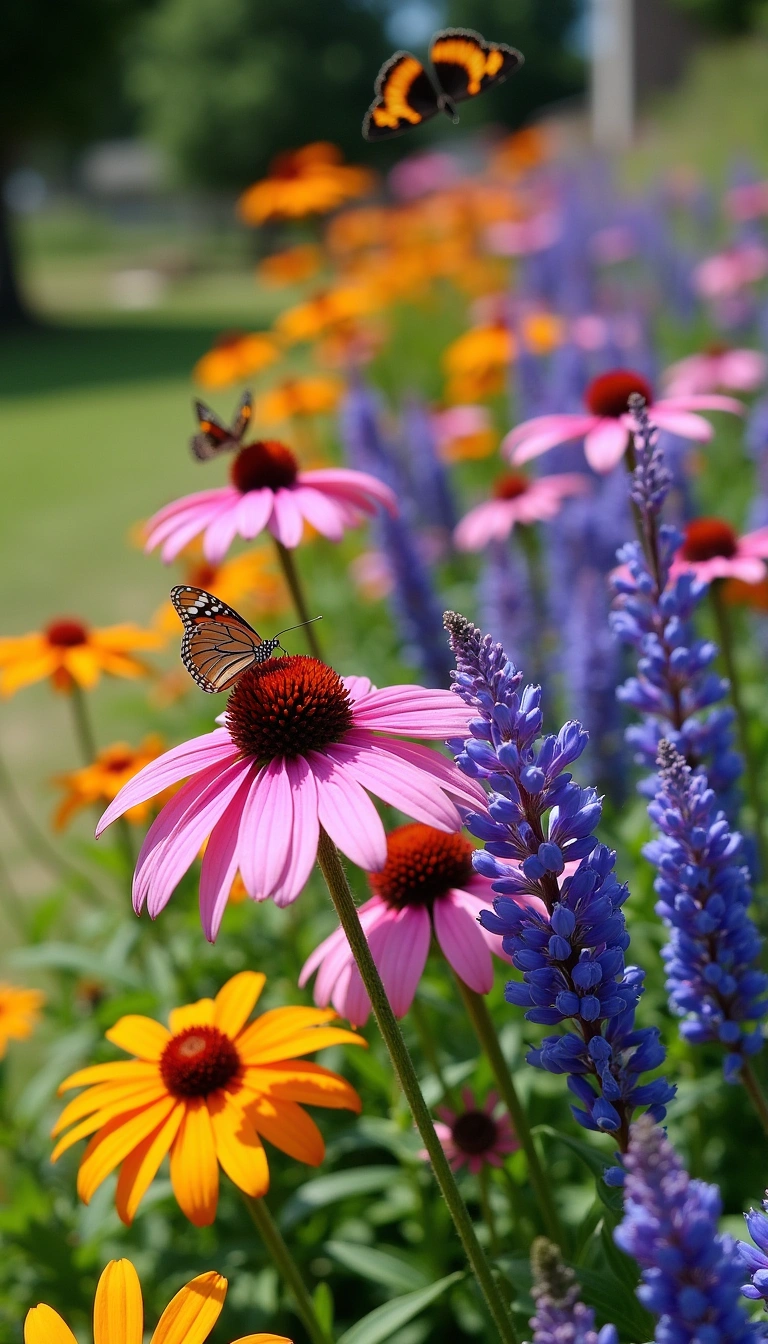

Easy perennials are tough plants that can handle different weather conditions. They don’t need special care or fancy fertilizers. Most of them like regular water but won’t die if you forget to water them for a few days. They also don’t get sick very often, which means less work for you.
These plants are also forgiving if you make mistakes. New gardeners love them because they grow well even if you’re still learning how to garden.
Top Long-Blooming Perennials for Your Garden
Black-Eyed Susan (Rudbeckia)
These cheerful yellow flowers with dark centers bloom from summer until the first frost. They love sunny spots and don’t mind if the soil gets a little dry. Butterflies and bees love them too!
Purple Coneflower (Echinacea)
Purple coneflowers bloom for months with pretty purple, pink, or white petals around a spiky center. They’re very tough and can handle hot, dry weather. Birds love to eat their seeds in fall and winter.
Daylilies
Even though each flower only lasts one day, daylily plants make lots of buds that keep opening for weeks. They come in many colors like yellow, orange, red, and purple. They grow well in sun or shade.
Salvia
These plants have tall spikes of blue, purple, red, or white flowers that bloom all summer long. Hummingbirds and butterflies can’t resist them! They like sunny spots and don’t need much water once they’re established.
Catmint (Nepeta)
Catmint has soft purple-blue flowers and gray-green leaves that smell nice. It blooms from late spring to fall and is very easy to grow. If you cut it back halfway through summer, it will bloom even more!
Coral Bells (Heuchera)
These plants are grown for both their colorful leaves and their delicate flower spikes. The leaves come in colors like purple, silver, lime green, and orange. Small flowers appear on tall stems for several weeks.
Planting Tips for Success
The best time to plant most perennials is in spring after the last frost or in early fall. This gives them time to grow strong roots before winter comes.
Choose a spot that gets the right amount of sun for your plants. Most long-blooming perennials love full sun, which means at least 6 hours of direct sunlight each day.
Make sure your soil drains well. Most perennials don’t like to sit in wet soil because it can make their roots rot. If your soil holds too much water, you can add compost or plant your flowers in raised beds.
Easy Care Throughout the Year
Spring Care
In spring, clean up any dead leaves or stems from winter. Add a thin layer of compost around your plants to feed them. Water them regularly as they start growing new shoots.
Summer Care
Water your plants during hot, dry weather. Remove old flowers (called deadheading) to encourage more blooms. Most perennials will keep blooming longer if you do this simple task.
Fall Care
You can cut back most perennials after they stop blooming, or leave them standing for winter interest. Some plants, like purple coneflowers, look pretty covered in snow and provide food for birds.
Creating Beautiful Combinations
Plant different perennials together to have color all season long. Choose plants that bloom at different times so something is always flowering in your garden.
Mix plants with different heights. Put tall plants like salvia in the back and shorter plants like coral bells in front. This creates a layered look that’s very attractive.
Think about leaf colors too. Plants with different leaf shapes and colors look interesting even when they’re not blooming.
Benefits of Growing Perennial Flowers
Perennial gardens save you money because you don’t have to buy new plants every year. After the first year, your garden will fill in and look fuller each season.
These gardens are also better for the environment. Perennial roots grow deep and help prevent soil erosion. They also provide homes and food for helpful insects, birds, and butterflies.
Long-blooming perennials give you fresh flowers to cut for indoor bouquets all summer long. You’ll have beautiful flowers in your house without spending money at the flower shop!
Starting a perennial garden is one of the best decisions you can make as a gardener. With just a little planning and these easy-care plants, you’ll have a gorgeous garden that gets better every year. Your neighbors will wonder how you created such a beautiful space with so little effort!


Welcome to MithilaConnect, where we curate the art of living, celebrating the vibrant tapestry of life through culture, fashion, food, and everything in between.