
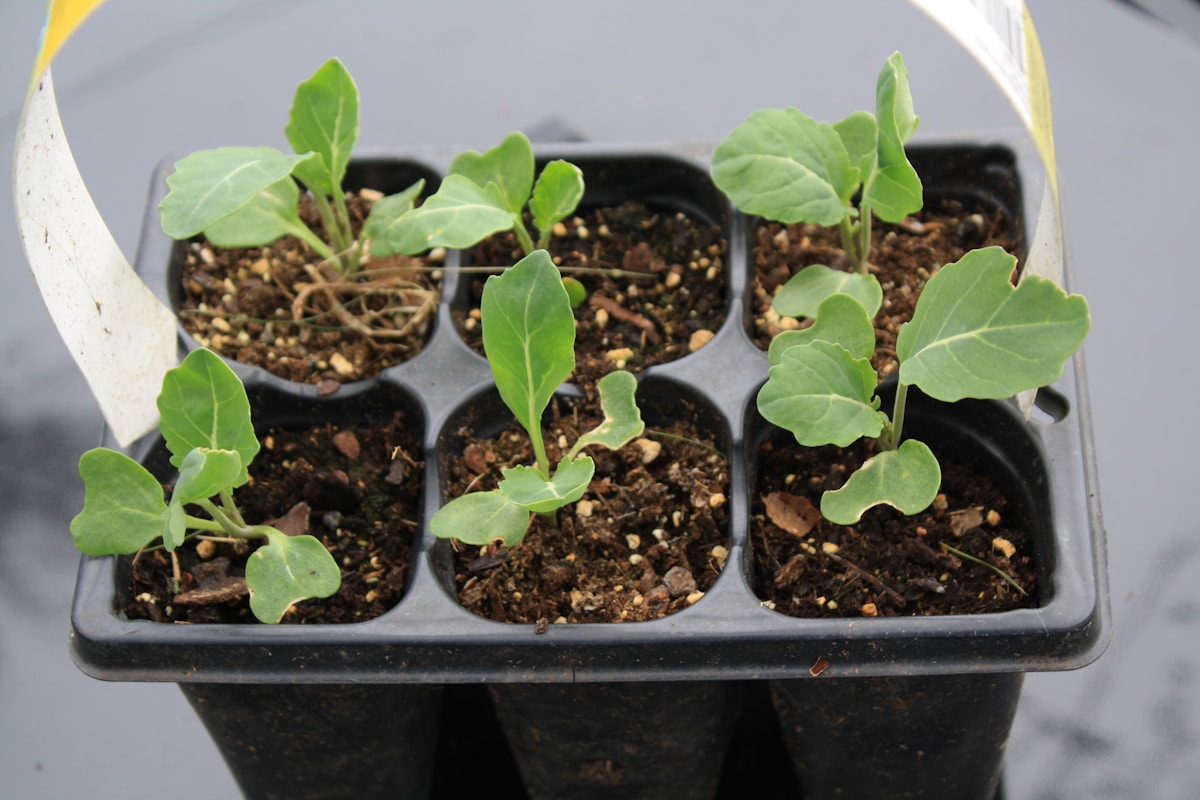
15 Best Fall Garden Vegetables to Plant in September for a Bountiful Harvest
Are you lost on what to grow in September to keep your garden going until winter? Fall garden vegetables are a great choice for those looking to grow more into the cooler months and enjoy fresh food when store costs go up. While some think gardening stops when summer ends, September is a top time to start your fall veggie garden.
The cool air and short days of fall are just right for many plants. Your fall garden can grow as well, if not better, than your spring garden. Fall veggies often taste better because the cold changes the starches into sugars, giving you the best tastes of the year.
Why Plant Veggies in September
September is the best time for planting veggies in much of the USA. The ground is still warm, which helps seeds start fast, but the air is getting cool. This mix gives your plants a great start.
When you plant in September, your veggies have time to grow before the first big freeze. Many fall plants like the cool and can face light frosts that would kill summer plants. This lets you get fresh veggies long after your summer plants are gone.
Getting your garden ready for fall planting is often easier than in the spring. Your ground has been used all summer, and you don’t have to worry about a late freeze or odd weather.
Know Your Growing Zone
Before we talk about what to plant in the fall, you need to know your growing zone. Different spots have different freeze times, which changes when you should plant. For example, if you garden in zone 8, you can plant later than in colder zones.
Look up your first normal frost date and count back to find the right planting times. Most seed packs tell you how many days each veggie needs to grow, making it easy to plan your late summer garden.
The 15 Best Fall Crops to Plant in September
1. Lettuce – Super Quick to Harvest
Lettuce is one of the best things to grow in a fall garden. It grows fast, needing just 45-65 days from seed to plate, and it likes cool air. You can plant lettuce every two weeks, making sure you always have fresh greens.
Plant lettuce in ground that drains well and has some shade during the hot part of the day. Water well but don’t let it get too wet. Pick the outer leaves when big enough to eat, and it will keep growing.
2. Spinach – Great in Cold Weather
Spinach is one of the toughest fall veggies you can grow. It can handle cold down to 20°F with some care, making it great for your fall and winter garden. Put the seeds right in the ground about half an inch deep.
This healthy green grows fast in cool air. You can start picking baby leaves in just 30 days, or wait about 50 days for bigger leaves.
3. Radishes – Fast and Simple
If you want fast results, go for radishes. These quick veggies can be ready in just 25-30 days. They’re great for kids because they can see results so soon.
Radishes like loose, well-drained ground and cool weather. Plant seeds about half an inch apart and keep the ground wet. The cool fall air makes radishes less hot and more crisp than those grown in spring.
4. Carrots – Sweet Fall Snacks
Fall-grown carrots are very sweet since the cold changes their starches to sugar. Plant carrot seeds in loose, deep ground free of stones and clumps. Carrots need about 70-80 days to grow, so planting in September is just right for a winter harvest.
Keep the ground wet until the seeds start, which can take up to two weeks. Once they’re up, carrots need less water and can stay in the ground until you’re ready to pull them up.
5. Kale – The Superfood That Loves the Cold
Kale gets better after a frost, making it one of the best fall veggies to plant. This strong green can handle very low temperatures and gives fresh greens all winter in many places.
Put kale seeds about half an inch deep in good ground. You can start picking outer leaves when the plant is about 8 inches tall. The more you pick, the more it grows.
6. Broccoli – A Cool Weather Pick
Broccoli grows best in cool weather, making fall the best time to plant it. Put broccoli plants in the ground in September to pick in late fall. Pick kinds that grow in 60-80 days.
Give broccoli plants lots of room and keep the ground wet. After you pick the main head, many types will keep making smaller shoots to pick later.
7. Brussels Sprouts – Stars of the Holiday Table
Brussels sprouts need a long time to grow, but planting in September is perfect for a holiday feast. They need cold to bring out the best taste. A light frost makes them sweeter and softer.
Put Brussels sprouts plants about 18 inches apart in rich, well-drained ground. They’ll be ready in about 90-100 days, just in time for Thanksgiving.
8. Cabbage – Keeps Well
Cabbage is one of the best fall crops for keeping. Fall-grown cabbage can last for months if stored right. Plant cabbage plants in early September to pick before a big freeze.
Pick cabbage kinds made for fall growing, as they can handle temperature changes better than spring kinds. Keep the ground wet and give some shade during the hot afternoon sun.
9. Mustard Greens – Spicy Fall Taste
Mustard greens give your fall meals a hot zip. They grow fast in cool air and can take a bit of frost. You can pick young mustard greens in 21 days, or big leaves in 40-50 days.
Put mustard green seeds right in your garden bed and keep the soil wet until they start to grow. Like other leafy greens, keep planting them one after another to have lots to pick.
10. Turnips – Two-Way Veggies
Turnips give you two veggies from one plant – you can eat the root and the green leaves. The greens are good to pick in about 30 days, while the roots take 50-60 days.
Put turnip seeds in light, rich soil. Turnips grown in fall are sweeter and not as hard as those grown in summer. They deal well with frost and get even tastier after a cold snap.
11. Beets – Sweet, Rooty Veggies
Like carrots, beets taste sweeter when it’s cool. You can eat both the roots and leaves, so they’re worth your while. Beets take 50-70 days to grow and don’t mind a bit of frost.
Put beet seeds an inch apart in light soil. Keep the soil wet for good root growth. Pick tiny beets early, or let them grow big to store.
12. Swiss Chard – Bright Fall Greens
Swiss chard makes your fall garden pop with its shiny leaves and bold stems. This tough green can get through light frosts and lets you keep picking leaves.
Put chard seeds in your garden and space small plants about 6 inches apart. The bright kinds look good in both veg and flower beds.
13. Peas – Cool Weather Comeback
Fall peas might do better than spring ones since they miss the odd spring weather. Plant snow peas, snap peas, or shelling peas in late August or early September.
Peas like cool air and can take a bit of frost. Set something for climbing types to grow on and keep the soil moist. Fall peas are ready in 60-70 days.
14. Bok Choy – Asian Green Delight
Bok choy grows fast when it’s cool and adds new tastes to your fall picks. This Asian green is ready in about 45-50 days and deals well with light frost.
Plant bok choy seeds or young plants in rich, well-draining soil. Keep the soil wet and pick when heads are tight and leaves are crisp.
15. Arugula – Hot Fall Salad Green
Arugula is a simple fall veggie to grow and brings a hot taste to salads. It shoots up super fast, ready in just 21-40 days based on your size pick.
This cool green gets less sharp in cooler weather. Start seeds right in the garden and keep picking leaves to keep it going.
Planning Your Fall Veggie Garden
Doing well with fall plants starts with smart planning. Use a garden planner to map your space and timing. Pick veggies your family likes and can handle growing a lot of.
Think of planting in a series for crops like lettuce and radishes. Putting in a few every two weeks gives you a steady stream of veggies instead of all at once.
Getting Your Garden Fall-Ready
You don’t need to start fresh to prep for fall planting. Get rid of old summer plants and mix in compost or old manure to feed your soil. Fall veggies like a lot of food, especially the leafy ones.
Check your soil’s pH if you haven’t in a while. Most veggies like it a bit acid to just plain (pH 6.0-7.0). Fall is good for adding lime if your soil is too sour, giving it winter to balance out.
Seeds or Young Plants for Fall
Some fall veggies grow better from seeds in your garden, while others do well from young plants. Root plants like carrots, radishes, and turnips need to be seeded direct as they don’t shift well.
Leafy greens can go either way, but seeding direct usually saves cash. Crops like broccoli and Brussels sprouts often work better as young plants since they grow for longer.
Keep Your Garden Going Longer
Your fall garden doesn’t have to stop with the first frost. Simple tricks can keep you picking veggies deep into winter. Stuff like row covers, cold frames, and even old milk jugs can save plants from light frost.
Many tough veggies actually taste sweeter after a frost snap. Kale, Brussels sprouts, and carrots all sweeten up when it’s near freezing.
Indoor Veggie Growing Options
If you want to keep growing fresh veggies inside, plan it now. Leafy greens like lettuce, spinach, and herbs do well under lights or by a sunny window.
Think about which veggies would be best to grow inside over winter. Fresh herbs and salad greens are pricey to buy but easy to grow at home.
Avoid Common Fall Gardening Slip-ups
Don’t plant too late. It might still feel like summer in September, but you have to get seeds in ground early enough for them to grow before the big frost.
Don’t over water when it’s cool. Plants need less when it’s colder and days are shorter. Too much water can make roots rot and other things go wrong.
Also, keep young plants safe from bugs. Cabbage worms, flea beetles, and other insects still come around in early fall.
Making Your Fall Harvest Work
Plan now for how you’ll use and keep your fall harvest. Many fall veggies keep well in cool, wet spots. Root veggies can often wait in the ground until you want them.
Think what veggies you want fresh and which you might want to keep. Fall is great for making pickled veggies, sauerkraut, or frozen greens.
Planting in September opens a new door to fresh veggies that will last you from fall to winter. These 15 fall garden veggies bring a mix of tastes, good health, and the joy of food grown at home when most gardens are closed for the year.
Your fall veggie garden can be as good as your summer one, often with fewer bugs and less need for water. The main thing is to start now while the ground is still warm and there’s enough time for plants to grow big.
Whether you are new to gardening or have been doing it for years, fall gardening gives you new chances to keep growing and enjoying fresh veggies all year long. Start planning your fall garden today, and you’ll be picking fresh, good veggies long after your neighbors have stopped gardening for the year.
Remember, the best things to grow in the garden during fall are often the veggies that don’t do well in the summer heat. Use the cooler weather and long nights to grow veggies that will taste better than anything you can get at the store. Your backyard veggie gardens can give food all year with good planning and the right veggie picks.

Welcome to MithilaConnect, where we curate the art of living, celebrating the vibrant tapestry of life through culture, fashion, food, and everything in between.