
Garden Watering Schedule Made Easy: When & How Much to Water Different Plants
Watering your garden doesn’t have to be hard or confusing. Many people water their plants too much or too little because they don’t know the right way to do it. Learning when and how much to water different plants will help your garden grow better and save you time and water.
The key to good watering is understanding that different plants need different amounts of water at different times. Some plants like lots of water every day, while others prefer less water but more often. Let’s learn how to make watering simple and fun!
Understanding Your Plants’ Water Needs
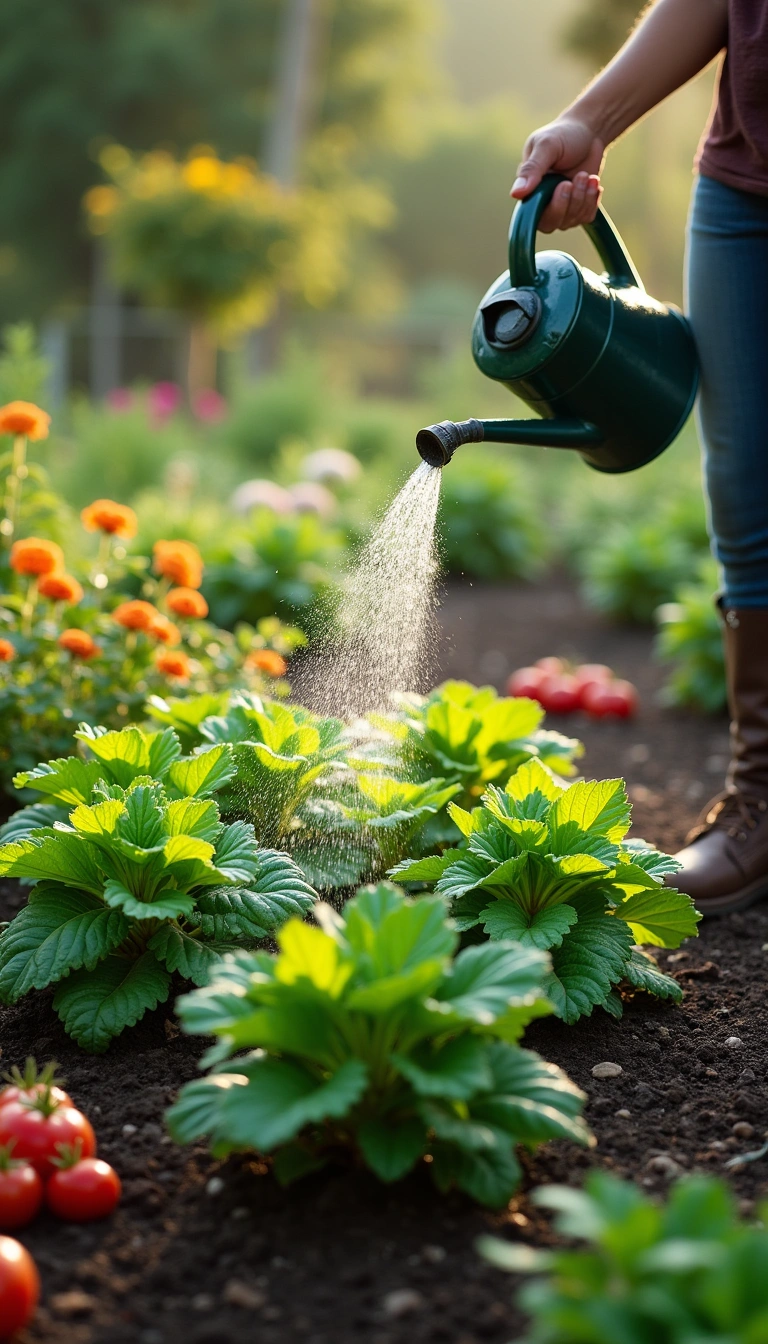
Not all plants are the same when it comes to water. Think of plants like people – some drink lots of water, and others don’t need as much. Plants have different roots, leaves, and sizes that affect how much water they need.
Plants with big leaves usually need more water because they lose more water through their leaves. Small plants with thick, waxy leaves often need less water. Plants that come from hot, dry places are used to getting by with less water, while plants from rainy places expect more water.
The size of your plant matters too. Big plants with lots of leaves need more water than small plants. Young plants that are just starting to grow need gentle, regular watering to help their roots get strong.
Best Times to Water Your Garden
The best time to water your garden is early in the morning, between 6 AM and 10 AM. This gives plants time to drink up the water before the hot sun comes out. When you water in the morning, less water disappears into the air, so more goes to your plants.
The second-best time to water is in the early evening, around 4 PM to 6 PM. The sun isn’t as hot, so the water won’t disappear as quickly. But don’t water too late in the day because wet leaves at night can cause plant diseases.
Try not to water during the middle of the day when the sun is strongest. The water will disappear into the air before your plants can drink it. Plus, water drops on leaves can act like tiny magnifying glasses and burn the leaves in bright sun.
Watering Schedule for Vegetables
Vegetable plants usually need water every 1-3 days, depending on the weather and soil. Most vegetables need about 1 inch of water each week. You can measure this by putting an empty tuna can in your garden while you water – when it’s full, you’ve given about the right amount.
Tomatoes need steady, regular watering. Give them a good drink every 2-3 days rather than a little bit every day. Peppers and eggplants like the same schedule as tomatoes.
Lettuce and other leafy greens need more frequent watering because their leaves are thin and they lose water quickly. Water them every day or every other day with smaller amounts.
Root vegetables like carrots and radishes need consistent moisture to grow straight and tasty. Water them every 2-3 days, making sure the water goes deep into the soil where their roots are growing.
Beans and peas don’t need as much water once they start growing well. Water them every 3-4 days, but give them extra water when they’re making flowers and pods.
Watering Schedule for Flowers
Annual flowers (plants that live for just one year) usually need water every 1-2 days during hot weather. Popular flowers like marigolds, petunias, and impatiens like regular watering to keep blooming all summer long.
Perennial flowers (plants that come back every year) often need less water once they’re established. Most perennials do well with deep watering every 3-4 days. Flowers like coneflowers, black-eyed Susans, and daylilies are pretty tough and can handle some dry days.
Bulb flowers like tulips and daffodils need regular water while they’re growing and blooming in spring. After their leaves turn yellow, you can stop watering them because they’re going to sleep for the summer.
Container flowers need more water than flowers planted in the ground because pots dry out faster. Check container flowers every day and water when the top inch of soil feels dry.
Watering Trees and Shrubs
Trees and shrubs need deep, less frequent watering. This helps their roots grow deep and strong. Most trees and shrubs do best with a good, long drink once or twice a week rather than short, daily watering.
New trees and shrubs that you just planted need more attention. Water them every 2-3 days for the first few weeks to help them get used to their new home. After about a month, you can switch to weekly watering.
Big, established trees usually don’t need extra watering unless it’s very dry for a long time. Their roots go deep and can find water that smaller plants can’t reach. But during very hot, dry weather, even big trees appreciate extra water.
When you water trees and shrubs, water slowly and let it soak in deep. Put your hose on a slow trickle and let it run for 20-30 minutes near the base of the plant. This gives the water time to soak down to where the roots are.
Signs Your Plants Need Water
Learning to read your plants’ signals will make you a better gardener. Plants tell you when they’re thirsty if you know what to look for.
The easiest way to check if plants need water is to stick your finger into the soil about 2 inches deep. If it feels dry, it’s time to water. If it still feels moist, wait another day and check again.
Wilting is an obvious sign that plants need water, but don’t wait until your plants look sad and droopy. Some plants wilt a little in hot afternoon sun even when they have enough water, but they should look perky again in the evening.
Look at the leaves for clues too. Leaves that look dull or grayish instead of bright green might need water. Some plants’ leaves will curl up or fold when they’re thirsty.
The soil surface can give you hints as well. If the soil looks cracked or pulls away from the edges of containers, it’s definitely time to water.
How Much Water to Give
Most garden plants need about 1 inch of water per week, including rain. But it’s better to give this water in 2-3 deep waterings rather than many shallow sprinkles.
When you water, keep going until you see water starting to run out of the bottom of containers or until the soil is wet 6-8 inches deep in garden beds. This deep watering encourages roots to grow down deep, making plants stronger and more able to handle dry weather.
Container plants need different amounts depending on their size. Small pots might need just a cup of water, while big containers could need a gallon or more. Water until you see it draining from the bottom holes.
For garden beds, a good rule is to water for about 20-30 minutes with a sprinkler or soaker hose. This usually gives about the right amount for most plants.
Seasonal Watering Adjustments
Your watering schedule should change with the seasons. Spring plants are growing fast and need regular water, but the weather is usually cooler and rainier, so you might not need to water as much.
Summer is when most plants need the most water. Hot sun and warm winds dry out soil quickly. You’ll probably need to water more often and give more water each time during summer months.
Fall watering depends on your area. In some places, fall is dry and you need to keep watering. In other places, fall brings more rain and you can water less. Keep watching your plants and checking the soil.
Winter watering is usually minimal in most parts of the country. Many plants are sleeping and don’t need much water. But evergreen plants and houseplants still need some water during winter.
Water-Saving Tips
You can save water and still have a beautiful garden with some smart tricks. Mulch is one of the best water-savers – put a 2-3 inch layer of wood chips, straw, or shredded leaves around your plants to help soil hold moisture longer.
Group plants with similar water needs together. This way, you’re not overwatering some plants while trying to give others enough water.
Use soaker hoses or drip irrigation instead of sprinklers when possible. These methods put water right where plant roots can use it, and less water is lost to evaporation.
Collect rainwater in barrels or containers to use during dry spells. Rainwater is actually better for plants than tap water in many areas.
Choose plants that naturally need less water for areas that are hard to water or during times when water is limited.
Common Watering Mistakes to Avoid
Many gardeners water too often with small amounts of water. This keeps roots near the surface instead of growing deep and strong. It’s better to water less often but more thoroughly.
Don’t water the leaves – water the soil around the roots. Wet leaves can lead to plant diseases, and water on leaves doesn’t help the plant anyway since roots do the drinking.
Avoid watering on a strict schedule without checking if plants actually need water. Weather changes, so your watering should change too. Always check the soil before deciding to water.
Don’t forget about plants in containers – they dry out much faster than plants in the ground and need more frequent attention.
Remember that overwatering can be just as harmful as underwatering. Too much water can cause root rot and other problems that can kill your plants.
Making Your Own Watering Schedule
Start by making a simple chart or calendar to track your watering. Write down what plants you have and group them by their water needs. Check your plants every few days and note when you water them.
Pay attention to the weather forecast. If rain is coming, you might be able to skip watering that day. If hot, windy weather is predicted, plan to water more.
Adjust your schedule as you learn what works best for your plants and your garden. Every garden is different, and it might take a few weeks to figure out the perfect routine for your space.
Keep notes about what works and what doesn’t. This will help you become a better gardener and make watering easier each year.
With practice, watering your garden will become second nature. You’ll learn to read your plants’ needs and provide just the right amount of water at the right time. Your plants will reward you with healthy growth, beautiful flowers, and delicious vegetables. Happy gardening!

Welcome to MithilaConnect, where we curate the art of living, celebrating the vibrant tapestry of life through culture, fashion, food, and everything in between.