
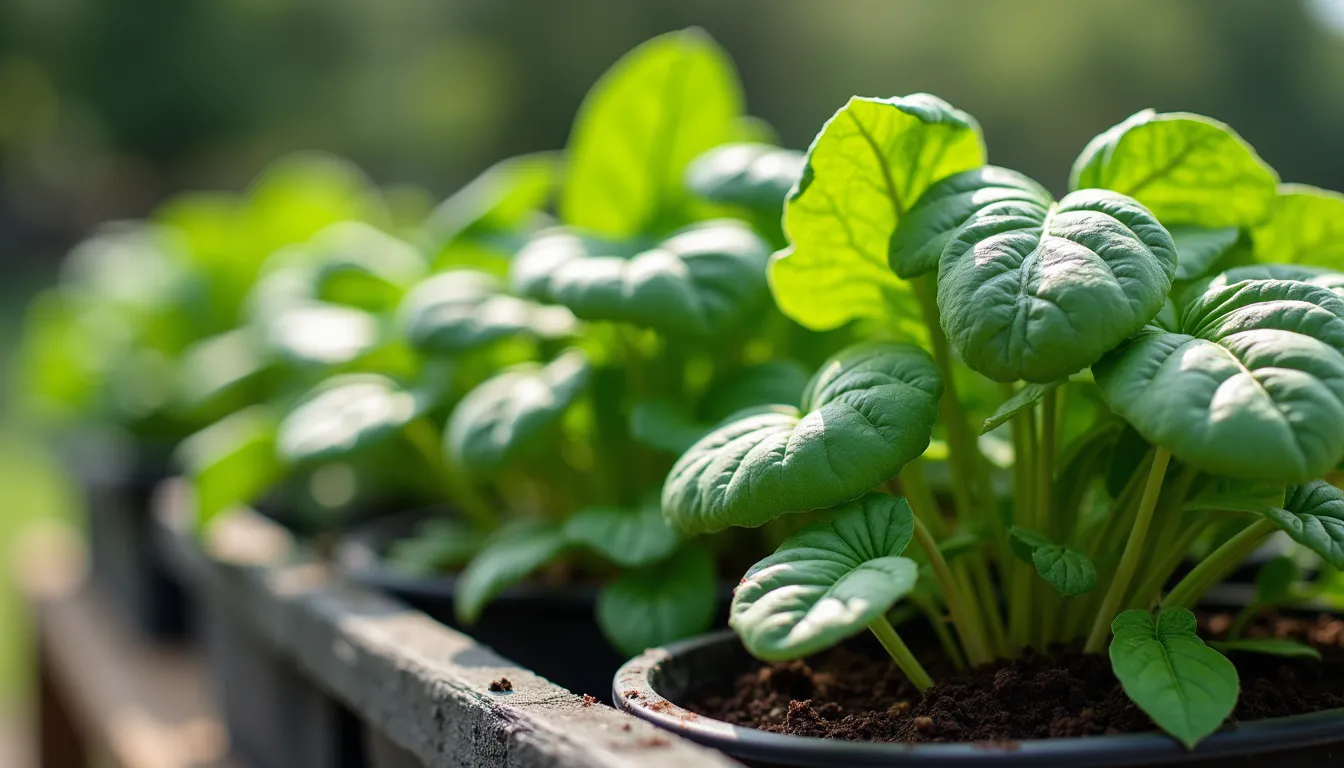
Vegetable Gardening For beginners: Growing Fresh Food at Home
There’s something magical about stepping into your backyard, balcony, or even your kitchen and picking a sun-warmed tomato or crisp lettuce leaves you grew yourself. Vegetable gardening connects us to our food in ways that shopping never can, and the best part? You don’t need acres of land or fancy equipment to get started.
Whether you’re dreaming of a sprawling backyard garden or wondering if you can grow anything in your small apartment, this guide will walk you through everything you need to know about vegetable gardening. We’ll explore different growing methods, tackle common challenges, and help you discover the approach that fits your space, climate, and lifestyle.
Getting Started: Vegetable Gardening for Beginners
If you’ve never grown vegetables before, you might feel overwhelmed by all the advice out there. But here’s the truth: vegetable gardening doesn’t have to be complicated. Plants actually want to grow—your job is simply to give them what they need.
Start with the basics: Every plant needs light, water, soil, and the right temperature. Before you buy a single seed, take a week to observe your space. Where does the sun hit? Which areas get at least six hours of direct sunlight? That’s your golden zone for most vegetables.
The biggest mistake beginners make is starting too big. Choose three to five vegetables you actually eat, and focus on growing those well. Tomatoes, lettuce, peppers, herbs, and radishes are forgiving choices that reward new gardeners with quick results.
Understanding your climate zone changes everything. The United States is divided into planting zones that tell you which plants thrive in your area and when to plant them. Zone 5 gardeners face harsh winters and shorter growing seasons, while zone 10b and zone 11 gardeners in places like South Florida can grow vegetables nearly year-round. Knowing your zone helps you work with nature instead of fighting against it.
Indoor Vegetable Gardening: Bringing the Garden Inside
Don’t have outdoor space? No problem. Indoor vegetable gardening has exploded in popularity, especially among apartment dwellers who refuse to give up their gardening dreams.
Growing vegetables indoors requires thinking differently about light. Windows rarely provide enough intensity for fruiting vegetables like tomatoes, but leafy greens, herbs, and microgreens thrive with less. Many indoor gardeners invest in LED grow lights, which have become surprisingly affordable and energy-efficient.
Setting up your indoor garden: Choose a spot away from heating vents and cold drafts. A south-facing window offers the best natural light, but east or west windows work for greens and herbs. For a basic indoor vegetable gardening setup, you’ll need containers with drainage holes, quality potting mix (never use garden soil indoors), and either good natural light or grow lights positioned about six inches above young plants.
Leafy greens like spinach, lettuce, and arugula are indoor gardening superstars. They grow quickly, tolerate lower light than other vegetables, and you can harvest outer leaves while the plant keeps producing. Herbs like basil, cilantro, and parsley also flourish indoors, providing fresh flavors all winter long.
For apartment gardeners, compact varieties make all the difference. Look for cherry tomatoes bred for containers, dwarf pepper varieties, and bush-type cucumbers. These plants stay smaller while still producing impressive harvests.
The trickiest part of indoor gardening? Pollination. Without bees and wind, you’ll need to hand-pollinate fruiting plants by gently shaking them or using a small paintbrush to transfer pollen between flowers. It sounds fussy, but it takes just a minute and dramatically improves your harvest.
Container and Bucket Vegetable Gardening
Container vegetable gardening opens up possibilities for everyone—from balcony gardeners to those with yards who want flexibility. Growing vegetables in pots lets you control the soil quality, move plants to follow the sun, and garden even on surfaces like patios and driveways.
The container matters more than you might think. Bigger is almost always better because larger containers hold more soil, which means more consistent moisture and nutrients. Most vegetables need containers at least 12 inches deep, but tomatoes and peppers perform best in containers holding five gallons or more.
Bucket vegetable gardening has become incredibly popular because five-gallon buckets are cheap (or free from restaurants and bakeries), durable, and the perfect size for many vegetables. Drill several drainage holes in the bottom, fill with quality potting soil, and you’re ready to grow. One bucket can produce pounds of tomatoes, several pepper plants, or enough lettuce to keep you in salads for weeks.
What grows well in containers? Almost everything, if you choose the right varieties. Tomatoes, peppers, eggplants, herbs, lettuce, spinach, radishes, carrots (short varieties), beans, peas, and even potatoes thrive in pots. Squash and cucumbers need larger containers but are absolutely possible.
The secret to successful container gardening is consistent watering. Pots dry out much faster than garden beds, especially in hot weather. Check your containers daily by sticking your finger an inch into the soil—if it’s dry, water until it runs out the drainage holes. In midsummer, you might need to water twice a day.
Container soil depletes nutrients faster than garden beds because you’re watering more frequently, which washes away fertilizer. Feed container vegetables every two weeks with a balanced liquid fertilizer, or mix slow-release fertilizer into your potting mix at planting time.
Raised Bed Vegetable Gardening
Raised beds have revolutionized backyard vegetable gardening, and once you understand why, you’ll see them everywhere. These elevated growing spaces offer better drainage, warmer soil that extends your season, easier access that saves your back, and complete control over soil quality.
Building raised beds isn’t complicated. The simplest versions use untreated cedar or redwood boards screwed together to create a frame, typically 4 feet by 8 feet and 10 to 12 inches deep. Fill them with a mix of compost, peat moss or coconut coir, and vermiculite, and you’ve created an ideal growing environment.
Florida vegetable gardening in raised beds solves several challenges specific to the state. Florida’s sandy soil drains too quickly and lacks nutrients, but raised beds filled with quality soil give vegetables what they need. The elevation also improves drainage during heavy rains and keeps plants above many soil-borne pests.
Raised bed planting ideas for vegetable gardening include intensive planting techniques. Because the soil is loose and fertile throughout the bed, you can space plants closer than traditional row planting allows. This maximizes your harvest and shades out weeds. Plant in blocks or hexagonal patterns rather than rows, and consider companion planting—growing vegetables together that benefit each other.
One clever approach combines early and late-season crops in the same bed. Plant lettuce between tomato seedlings in spring. The lettuce matures and gets harvested just as the tomatoes start spreading. Or grow radishes alongside carrots—the fast-maturing radishes mark the rows and are harvested before crowding the slower-growing carrots.
Small Space and Vertical Vegetable Gardening
Limited space doesn’t mean limited harvests. Small space gardening for vegetables requires creativity, but you can produce shocking amounts of food in compact areas.
Vertical gardening changes everything for small spaces. Instead of spreading out, you grow up. Trellises, stakes, cages, and wall-mounted planters let vining plants climb, freeing up ground space for other crops. Cucumbers, pole beans, peas, and smaller squash varieties all grow happily upward.
Vertical vegetable gardening delivers multiple benefits beyond saving space. Air circulates better around climbing plants, reducing disease problems. Fruit hangs off the ground where it stays cleaner and less attractive to pests. And harvesting becomes easier when vegetables are at eye level instead of hidden under leaves.
For balcony vegetable gardening, every inch counts. Use railing planters to grow herbs and lettuce without taking up floor space. Hang pots from overhead hooks for cherry tomatoes or trailing plants. Stack containers vertically using plant stands or purpose-built tower gardens.
Succession planting multiplies your harvest from limited space. Instead of planting all your lettuce at once, sow a few seeds every two weeks. This provides continuous harvests rather than one overwhelming crop. When spring crops finish, immediately replant with summer varieties, then follow with fall crops.
Choose compact and dwarf varieties bred specifically for small spaces. Plant breeders have created tomatoes that produce full-size fruit on plants just two feet tall, bush cucumbers that don’t vine, and miniature peppers perfect for pots. These aren’t compromises—they’re vegetables designed for exactly how you want to grow.
Regional Vegetable Gardening: Working With Your Climate
Your location dramatically affects what you can grow and when. Successful gardening means understanding your specific challenges and opportunities.
Florida vegetable gardening flips the traditional gardening calendar. While northern gardeners are harvesting in summer, Florida’s intense heat and humidity shut down many vegetables. Instead, Florida’s prime growing seasons are fall through spring. October through March offers ideal conditions for tomatoes, peppers, leafy greens, and root vegetables.
Central Florida and South Florida vegetable gardening benefit from even milder winters, allowing year-round production of many crops. North Florida gardeners experience occasional hard freezes that limit the most tropical vegetables but still enjoy extended growing seasons compared to most of the country.
Zone 8b vegetable gardening, found across the southern United States from Texas to the Carolinas, offers excellent opportunities. This zone experiences mild winters with average minimum temperatures between 15 and 20 degrees Fahrenheit. Gardeners can grow cool-season crops through winter with minimal protection and enjoy long, productive spring and fall seasons.
For Indiana vegetable gardening and other zone 4b and zone 5 areas, success comes from maximizing the shorter growing season. Start seeds indoors six to eight weeks before your last frost date to give plants a head start. Use season-extending techniques like cold frames, row covers, and plastic mulch to warm soil earlier in spring. Focus on varieties described as “early maturing” or “short-season.”
Seasonal Vegetable Gardening Throughout the Year
Great gardeners think in seasons, planning succession crops that keep their gardens productive from early spring through late fall, and even into winter in milder climates.
Spring vegetable gardening begins as soon as soil can be worked. Cool-season vegetables like lettuce, spinach, peas, radishes, and onions tolerate light frosts and actually prefer cooler weather. Plant these four to six weeks before your last expected frost. Follow with warm-season crops like tomatoes, peppers, squash, and cucumbers after all danger of frost has passed.
Fall vegetable gardening often produces better results than spring because many vegetables prefer maturing in cooling weather rather than heating weather. Plant cool-season crops in late summer for fall harvest. In zone 8 and warmer areas, fall gardens can produce through winter. Even northern gardeners can grow cold-hardy vegetables like kale, Brussels sprouts, and carrots well into November and beyond with simple protection.
Winter vegetable gardening depends on your climate. Zone 9 through 11 gardeners enjoy prime growing conditions in winter. Zone 7 and 8 gardeners can grow cold-hardy vegetables with row covers or cold frames. Even zone 5 gardeners can harvest kale, spinach, and carrots from under the snow—these vegetables actually taste sweeter after frost.
Planning seasonal vegetable gardening means knowing your planting dates. Count backward from your first expected fall frost to determine when to plant fall crops. Each vegetable needs a certain number of days to mature, information found on seed packets or plant tags. Give yourself an extra week or two as a buffer since growth slows as days shorten.
Specialized Growing Methods and Creative Ideas
Vegetable gardening continues evolving as creative gardeners develop new approaches to common challenges.
Greenhouse vegetable gardening extends seasons in cold climates and provides ideal growing conditions year-round. Even simple structures like hoop houses covered with plastic can add months to your growing season. Greenhouses let you start seedlings earlier, protect tender plants from unexpected frosts, and grow heat-loving vegetables like tomatoes in climates where they’d otherwise struggle.
Row planting vegetable gardening follows traditional spacing, with vegetables planted in single or double rows with walking paths between. This approach works well for large gardens and makes cultivation and harvesting straightforward. However, raised bed and intensive planting methods often produce higher yields from less space.
Patio vegetable gardening proves that you don’t need a traditional garden plot. Patios and decks offer advantages: convenient access, good sunlight, and surfaces that warm up quickly in spring. Choose containers large enough for plant roots, ensure adequate drainage, and group plants with similar water needs together.
Practical Vegetable Gardening Tips and Tricks
The difference between struggling gardens and thriving ones often comes down to a few key practices.
Soil matters most. You cannot have a great garden in poor soil. Healthy soil is alive with beneficial microorganisms, rich in organic matter, and drains well while holding moisture. Before planting, work several inches of compost into garden beds. For containers, use quality potting mix, not garden soil or topsoil, which compact in pots.
Water deeply and less frequently rather than shallow watering daily. Deep watering encourages roots to grow down where soil stays moist longer and temperatures remain moderate. Most vegetables need about one inch of water per week, either from rain or irrigation. Water in the morning so foliage dries before evening, reducing disease problems.
Mulch is a gardener’s secret weapon. A two to three-inch layer of organic mulch around plants conserves moisture, suppresses weeds, moderates soil temperature, and breaks down to improve soil. Straw, shredded leaves, grass clippings (from untreated lawns), and wood chips all work well.
Root vegetable gardening tips: Carrots, beets, radishes, and turnips need loose, rock-free soil for straight roots. If your soil is heavy clay, grow these crops in raised beds or containers filled with light, fluffy soil. Keep root vegetables consistently moist to prevent splitting and woody texture.
Efficient vegetable gardening combines compatible plants to maximize space and benefits. Tall plants can shade heat-sensitive lettuce in summer. Quick-maturing crops can grow between slower ones. Herbs and flowers attract beneficial insects while deterring pests.
Tropical vegetable gardening tips for warm climates include providing afternoon shade during the hottest months, maintaining consistent moisture, and choosing heat-tolerant varieties. Many traditional vegetables struggle in intense heat, but Asian vegetables like yard-long beans, bitter melon, and water spinach thrive in tropical conditions.
Understanding Types of Vegetable Gardening
Different gardening approaches suit different goals, spaces, and preferences. Understanding the options helps you choose what works for you.
Traditional in-ground gardening in native soil works beautifully if you’re blessed with good soil and adequate space. This approach requires the least startup investment but demands more ongoing weeding and may involve more pest and disease challenges.
Container gardening offers maximum flexibility. You can garden on any solid surface, move plants as needed, and start fresh with perfect soil each season. The tradeoff is more frequent watering and fertilizing.
Raised bed gardening combines the best aspects of both worlds. You’re still growing in ground-level plots but with controlled soil and better accessibility. Raised beds require upfront investment in materials but deliver years of easier, more productive gardening.
Hydroponic vegetable gardening grows plants in nutrient-rich water without soil. This advanced technique produces rapid growth and high yields in very small spaces, but requires more technical knowledge and equipment.
Square foot gardening divides raised beds into square-foot sections, with each section planted with a specific number of vegetables based on mature size. This organized approach maximizes space and simplifies planning.
Month-by-Month Vegetable Gardening Planning
Successful gardens don’t happen by accident—they follow a plan that works with seasonal rhythms.
Create a vegetable gardening schedule that maps out what to plant when. In general terms: early spring brings cool-season crops, late spring brings warm-season transplants, summer focuses on maintenance and succession planting, late summer brings fall crop planting, and fall brings harvest and garden cleanup.
Vegetable gardening tips by month help you stay on track. For example, March in zone 7 means starting tomato seeds indoors, planting peas and lettuce outside, and preparing beds for spring planting. July means succession planting beans and squash, starting fall brassicas, and staying vigilant about watering. November means planting garlic, protecting tender crops from frost, and planning next year’s garden.
A planner for vegetable gardening keeps everything organized. Track what you planted where, note which varieties performed well, record planting and harvest dates, and plan crop rotations to prevent pest and disease buildup. Even simple notes in a notebook provide valuable information year after year.
Resources for Continuing Your Gardening Journey
The learning never stops in vegetable gardening, and that’s part of the joy.
Vegetable gardening books offer deeper dives into specific topics. Classic titles remain valuable resources, with vintage vegetable gardening books providing time-tested wisdom. A 1976 vegetable gardening book might contain techniques that predate chemical-dependent agriculture, offering organic approaches that work beautifully today.
Understanding basic terminology helps you make sense of gardening advice. A glossary of vegetable gardening terms explains concepts like “hardening off” (gradually acclimating indoor-started plants to outdoor conditions), “bolting” (when plants prematurely flower and set seed, usually making leaves bitter), and “days to maturity” (how long from planting to harvest).
Online resources, cooperative extension offices, and local gardening groups provide region-specific advice and community support. Finding other gardeners in your area helps you learn which varieties thrive locally and when to plant them.
Your Garden, Your Way
The beautiful truth about vegetable gardening is that there’s no single right way to do it. A tiny balcony garden growing herbs and lettuce is just as valid as acres of farmland. What matters is growing food that nourishes you, connecting with natural cycles, and experiencing the deep satisfaction of eating something you grew yourself.
Start where you are with what you have. Plant something today—even if it’s just a pot of herbs on a sunny windowsill. Pay attention to what works and what doesn’t. Experiment with new vegetables and techniques. Share your harvests and your knowledge with others.
Every master gardener started as a beginner who planted that first seed with more hope than confidence. Your garden might not be perfect the first year, or even the second, but each season teaches lessons that make you better. The mistakes become stories, the successes become traditions, and the whole experience becomes part of who you are.
Welcome to the endlessly rewarding world of vegetable gardening. Your journey starts now, and it’s going to be delicious.

Welcome to MithilaConnect, where we curate the art of living, celebrating the vibrant tapestry of life through culture, fashion, food, and everything in between.