
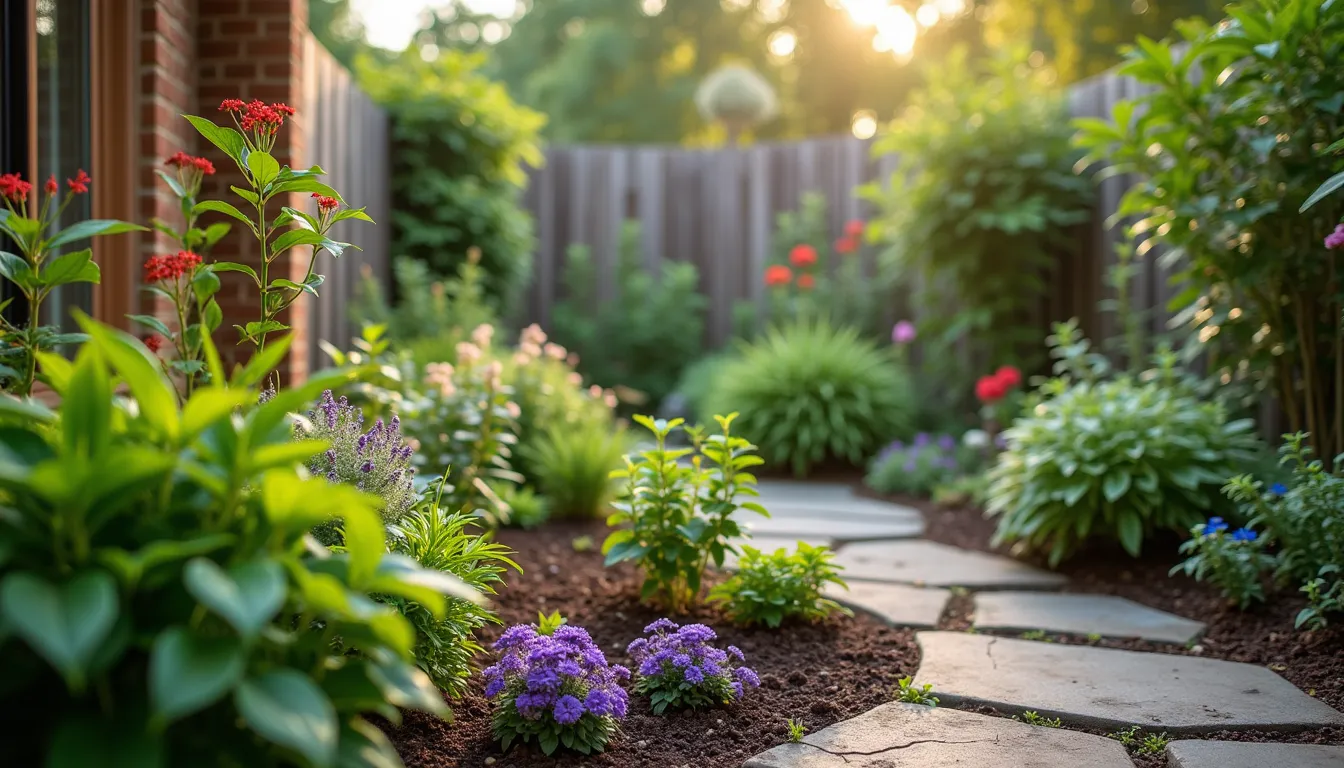
Small Space Gardening: Your Complete Guide to Growing in Tiny Places
Do you dream of having a beautiful garden but think your small apartment balcony or tiny backyard isn’t big enough? Think again! You don’t need acres of land to grow fresh vegetables, colorful flowers, or create a peaceful green space. Small space gardening is perfect for anyone who wants to connect with nature, grow their own food, or simply add some life to their home—no matter how limited the space.
Whether you’re living in a cozy apartment, have a postage-stamp-sized backyard, or just want to bring some greenery indoors, this guide will show you exactly how to create your own thriving garden. Let’s dig in!
Why Small Space Gardening is Perfect for You
Small space gardening isn’t just about making do with less—it’s actually got some amazing advantages! First, smaller gardens are easier to maintain. You won’t spend hours weeding or watering. Second, you can get creative with vertical growing, hanging baskets, and unique containers that add style to your space. Third, you’ll save money on groceries by growing your own herbs and vegetables. And finally, tending to plants—even just a few—has been shown to reduce stress and boost your mood. It’s like having a tiny piece of paradise right where you live.
Small Space Gardening Ideas to Spark Your Imagination
The secret to successful small space gardening is thinking creatively about every inch you have available. Here are some brilliant ideas to get you started:
Go Vertical: When you can’t grow out, grow up! Install wall-mounted planters, use trellises for climbing plants like peas or beans, or hang shoe organizers filled with herbs on a sunny wall. Vertical gardens can turn a boring fence or wall into a living masterpiece.
Container Magic: Almost anything can become a planter. Use colorful pots, vintage crates, old buckets, or even repurposed dresser drawers. Group containers of different heights together to create visual interest and maximize your growing space.
Window Boxes: These classic beauties aren’t just for farmhouses. Window boxes work perfectly in apartments and can hold everything from petunias to peppers. Just make sure they’re securely attached!
Tiered Plant Stands: These allow you to stack multiple plants in the same footprint. It’s like creating a mini garden skyscraper!
Hanging Gardens: Suspend pots from ceiling hooks or railings. This works especially well for trailing plants like strawberries, cherry tomatoes, or colorful flowers like petunias and lobelia.
Small Space Gardening for Apartments
Living in an apartment doesn’t mean you can’t have a flourishing garden. The key is making the most of the light and space you have available.
Know Your Light: Before you start, observe how much sunlight different areas of your apartment get. South-facing windows get the most light, while north-facing ones get the least. This will help you choose the right plants for each spot.
Start with Herbs: If you’re new to apartment gardening, herbs are your best friends. Basil, mint, parsley, cilantro, and chives all grow beautifully on sunny windowsills. They’re useful in cooking, smell wonderful, and are surprisingly forgiving for beginners.
Choose Dwarf Varieties: Many vegetables and fruits now come in compact versions bred specifically for container growing. Look for words like “patio,” “dwarf,” or “compact” on seed packets or plant tags.
Create a Watering System: Apartment plants can dry out quickly, especially in summer. Consider self-watering containers or set up a simple drip irrigation system if you have multiple pots.
Get Permission First: If you’re renting, check your lease before making any permanent changes like installing wall planters or hooks. Most landlords are fine with removable options.
Apartment Balcony Small Space Gardening Ideas
Your balcony is pure gold for gardening! Even a small balcony can become a productive and beautiful mini-farm with the right approach.
Assess Your Balcony’s Conditions: How much sun does it get? Is it windy? What’s the weight limit? These factors will determine what you can grow and how you should set things up.
Use Railing Planters: These clever containers hook right over your balcony railing, saving precious floor space. They’re perfect for flowers, herbs, and even small vegetables like lettuce.
Create Privacy with Tall Plants: Use larger containers with bamboo, ornamental grasses, or climbing plants on trellises to create a private oasis while maximizing your growing space.
Add a Small Table Garden: A bistro table isn’t just for your morning coffee. Use it as a potting station and display area for your prettiest plants.
Think About Wind: Balconies can be windy, which dries out plants faster. Choose sturdy containers that won’t tip over, and consider installing a windbreak with tall plants or a trellis.
Grow Seasonally: On a balcony, you can easily swap out plants as seasons change. Grow cool-season crops like lettuce and spinach in spring and fall, then switch to tomatoes and peppers in summer.
Small Space Backyard Gardening
Even if your backyard is tiny, it can produce an impressive amount of food and beauty. The trick is planning carefully and using every corner wisely.
Map Out Your Space: Spend a day observing where the sun hits your yard at different times. Most vegetables need at least six hours of direct sunlight, so plant accordingly.
Raised Beds are Your Friend: Raised garden beds let you control soil quality, reduce weeding, and make gardening easier on your back. A 4-foot by 4-foot bed can produce a surprising amount of vegetables.
Edge Everything: Use the perimeter of your yard by planting along fences and walls. Add narrow flower beds or grow vegetables on trellises attached to structures.
Multi-Purpose Planting: Combine edible and ornamental plants. Swiss chard has stunning colorful stems, scarlet runner beans produce gorgeous red flowers, and many herbs are beautiful enough for a flower bed.
Create Garden Zones: Divide your small backyard into mini-zones—a seating area, a vegetable patch, a flower corner. This makes the space feel larger and more organized.
Go for High-Value Crops: In a small space, prioritize expensive grocery items like fresh herbs, salad greens, tomatoes, and berries. Skip crops that take up lots of room for minimal harvest, like pumpkins or corn.
Small Space Vegetable Gardening
Growing your own vegetables is incredibly rewarding, and you’d be amazed at how much food you can produce in a small area.
Best Vegetables for Small Spaces:
- Lettuce and Salad Greens: Ready to harvest in just weeks, and you can grow them in shallow containers. Practice “cut and come again” harvesting for continuous production.
- Tomatoes: Choose determinate or patio varieties that stay compact. Cherry tomatoes are especially productive in containers.
- Peppers: Bell peppers and hot peppers do excellently in pots and are beautiful plants too.
- Bush Beans: Unlike pole beans, bush varieties stay compact and produce plenty of beans.
- Radishes: These speedy growers can be tucked into any spare spot and are ready in just three to four weeks.
- Carrots: Choose round or short varieties that work in containers. They’re fun to grow and kids love pulling them up!
- Cucumbers: Go for bush or container varieties, and provide a small trellis for them to climb.
- Zucchini: Choose compact varieties, and remember that one or two plants will produce plenty.
Succession Planting: As soon as you harvest one crop, immediately plant something else in that spot. This keeps your garden producing all season long.
Companion Planting: Some plants grow better together. Try planting basil with tomatoes, marigolds with vegetables to deter pests, or grow lettuce in the shade of taller plants.
Container Size Matters: Bigger is usually better for vegetables. Most need containers at least 12 inches deep, with tomatoes and peppers preferring 18-inch or larger pots.
Indoor Small Space Gardening Tips
Indoor gardening extends your growing season year-round and is perfect for those without any outdoor space at all.
Master the Light Situation: Light is the biggest challenge indoors. South-facing windows provide the most natural light. If you don’t have bright windows, invest in LED grow lights—they’re more affordable than ever and work wonderfully.
Start with Easy Indoor Plants: Pothos, snake plants, and herbs like basil and mint are nearly impossible to kill and thrive indoors. Success with these will build your confidence for more challenging plants.
Control the Humidity: Indoor air, especially in winter, can be very dry. Group plants together, set pots on trays filled with pebbles and water, or run a humidifier to keep tropical plants happy.
Rotate Your Plants: Turn your pots a quarter turn every few days so all sides get equal light. This prevents plants from growing lopsided.
Use Quality Potting Mix: Never use garden soil indoors—it’s too heavy and can bring in pests. Use a light, well-draining potting mix designed for containers.
Microgreens are Magic: These nutritional powerhouses grow quickly on a sunny windowsill. In just one to two weeks, you’ll have fresh greens to add to salads and sandwiches.
Create an Indoor Herb Garden: A sunny kitchen windowsill is the perfect spot for fresh herbs. You’ll save money and always have fresh flavors for cooking.
Small Space Wildlife Gardening Tips
Even in a tiny space, you can create a haven for beneficial insects, birds, and other wildlife. This not only helps the environment but also makes your garden healthier and more interesting.
Plant Flowers for Pollinators: Bees, butterflies, and hummingbirds need nectar-rich flowers. Choose plants like lavender, zinnias, coneflowers, salvia, and bee balm. Even a few pots of flowers on a balcony can feed these important creatures.
Provide Water: A shallow dish with pebbles for insects to land on creates a mini water station. Change the water every few days to prevent mosquitoes.
Skip the Pesticides: Chemical pesticides harm beneficial insects and wildlife. Instead, encourage natural predators like ladybugs and praying mantises to handle pests for you.
Add Native Plants: Native plants support local wildlife better than exotic species. Research which plants are native to your area and try to include a few in your garden.
Create Hiding Spots: Even in a small space, a small pile of twigs or a dense shrub in a pot can provide shelter for beneficial insects.
Leave Some Mess: Don’t be too tidy! A few dried flower heads provide seeds for birds, and small brush piles offer homes for helpful insects.
Install a Small Bird Feeder: If you have a balcony or yard, a bird feeder brings life and entertainment to your space. Just be consistent about filling it!
Setting Up Your Small Space Garden
Ready to create your garden? Here’s how to set everything up for success:
Step 1: Assess Your Space Walk around with a notebook and map out where you have room for plants. Note which areas get sun, shade, or a mix of both. Measure your space so you know what size containers and structures will fit.
Step 2: Choose Your Containers Make sure every container has drainage holes at the bottom. For balconies and patios, use saucers underneath to catch excess water. Select pots that fit your style—colorful ceramics, classic terracotta, modern minimalist, or rustic wooden boxes.
Step 3: Get Quality Supplies Invest in good potting soil, not cheap dirt. You’ll also need fertilizer (organic options work great), a small trowel, watering can or hose, and plant markers to remember what you planted.
Step 4: Plan Your Layout Put taller plants in back or center, medium ones in the middle, and trailing or short plants in front. This creates visual depth and ensures everyone gets light.
Step 5: Start Small Begin with just a few plants and expand as you gain confidence. It’s better to have five thriving plants than twenty struggling ones.
Step 6: Establish a Routine Check your plants daily, water when needed (poke your finger in the soil—if it’s dry an inch down, it’s time to water), and feed with fertilizer every few weeks during the growing season.
Common Small Space Gardening Mistakes to Avoid
Learning from these common pitfalls will save you time and frustration:
- Overwatering: This kills more container plants than anything else. When in doubt, wait another day.
- Using Containers Too Small: Cramped roots lead to stunted, stressed plants. Go bigger than you think you need.
- Ignoring Sun Requirements: A shade-loving plant in full sun (or vice versa) will never thrive. Match plants to your conditions.
- Planting Too Much Too Close: Plants need space for air circulation and growth. Follow spacing guidelines.
- Forgetting to Fertilize: Container plants need regular feeding since nutrients wash out with watering.
- Giving Up Too Soon: Gardening involves trial and error. A few failures are normal—keep learning and trying!
Your Garden Journey Starts Now
Small space gardening proves that you don’t need a huge yard to enjoy the benefits of growing your own plants. Whether you’re cultivating vegetables on an apartment balcony, creating an indoor herb garden, or maximizing a tiny backyard, the joy of watching something grow from seed to harvest is the same.
Start with just one or two plants that excite you. Maybe it’s a pot of cherry tomatoes for summer salads, a basket of colorful petunias to brighten your morning, or a windowsill herb garden for fresh cooking. As you gain confidence, you’ll naturally expand and experiment.
Remember, every expert gardener started as a beginner who planted one seed and hoped for the best. Your small space garden might be tiny, but the satisfaction, beauty, and fresh food it provides are enormous. So grab a pot, some soil, and your first plant—your garden adventure is waiting!

Welcome to MithilaConnect, where we curate the art of living, celebrating the vibrant tapestry of life through culture, fashion, food, and everything in between.