
7 Common Mistakes in Raised Bed Gardening — And How to Fix Them
Raised bed gardens are a great way to grow fresh vegetables and flowers. They look nice and make gardening easier on your back. But many gardeners make simple mistakes that can hurt their plants. The good news is that these problems are easy to fix once you know what to look for.
Let’s look at seven common mistakes people make with raised bed gardens and how you can avoid them.
Not Making Your Soil Deep Enough
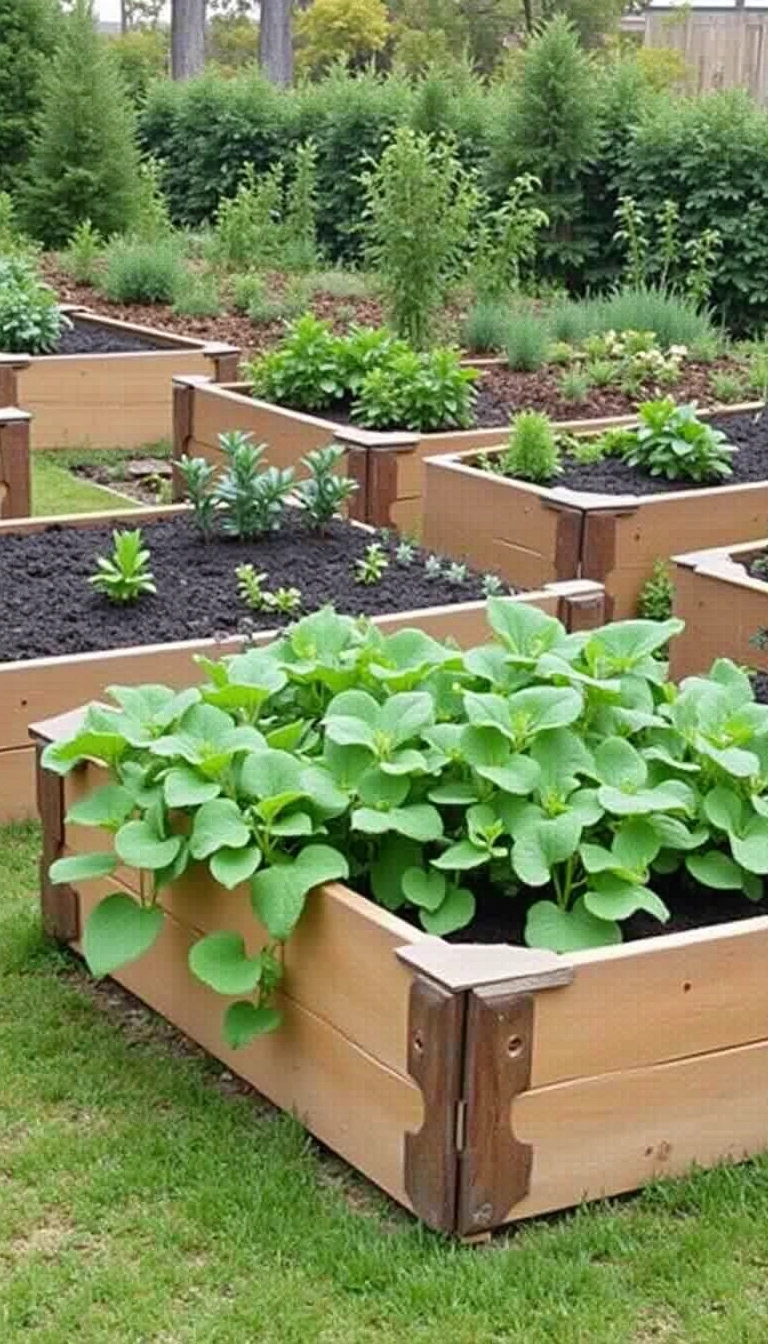
One of the biggest mistakes is not making your raised bed deep enough. Many people think 6 inches of soil is enough, but most vegetables need much more room for their roots to grow.
Most vegetables need at least 12 inches of soil depth. Root vegetables like carrots and potatoes need even more – about 18 to 24 inches deep. When roots don’t have enough space, plants stay small and don’t produce much food.
How to fix it: Build your raised beds at least 12 inches tall. If you already have shallow beds, you can add wooden boards to make them taller. Then add more good soil to fill the extra space.
Watering Too Much or Too Little
Watering mistakes are very common in raised bed gardens. Some people water every day, which can drown the plants. Others forget to water and let their plants get too dry.
Raised beds drain water faster than regular garden beds. This means they can dry out quickly on hot days. But they can also get waterlogged if you water too often.
How to fix it: Stick your finger into the soil about 2 inches deep. If it feels dry, it’s time to water. If it’s still moist, wait another day. Water deeply but less often. This helps roots grow strong and deep.
Planting Things Too Close Together
When you’re excited about gardening, it’s easy to try to fit too many plants in your raised bed. But crowded plants don’t grow well. They fight for sunlight, water, and nutrients.
Each plant needs its own space to grow. When plants are too close together, they stay small and weak. They’re also more likely to get sick.
How to fix it: Read the seed packet or plant tag to see how much space each plant needs. Use a ruler or measuring tape to space them correctly. It might look empty at first, but your plants will fill in the space as they grow.
Using Poor Quality Soil
Some people try to save money by using cheap soil or just dirt from their yard. But poor soil is one of the worst places to cut costs in your garden.
Plants need good soil with the right nutrients to grow strong and healthy. Cheap soil often has too much sand or clay. It might not drain well or could be missing important nutrients.
How to fix it: Buy good quality potting soil mixed with compost. You can also make your own mix using 1/3 compost, 1/3 peat moss or coconut fiber, and 1/3 coarse sand or perlite. This gives plants everything they need to grow well.
Choosing the Wrong Location
Another common mistake is putting your raised bed in the wrong spot. Most vegetables need at least 6 to 8 hours of direct sunlight each day. If your bed is in a shady spot, your plants won’t produce much food.
Some people also put their beds too far from a water source. This makes watering hard work and means you might skip it when you’re tired.
How to fix it: Watch your yard for a full day to see where the sun shines the longest. Move your raised bed to the sunniest spot possible. If you can’t move it, choose vegetables that can grow in partial shade, like lettuce and spinach.
Not Planning for Drainage
Good drainage is very important for raised bed gardens. If water sits in the soil too long, plant roots can rot. But some people forget about drainage when they build their beds.
If your raised bed sits directly on hard ground or concrete, water might not be able to drain out the bottom.
How to fix it: Make sure your raised bed has drainage holes in the bottom. If it sits on concrete, drill some holes. Put a layer of small rocks or gravel at the bottom before adding soil. This helps extra water drain away from plant roots.
Trying to Garden Year-Round Without Protection
Many new gardeners think they can grow the same plants all year long. But most vegetables have specific growing seasons. Trying to grow summer vegetables in winter without protection usually doesn’t work.
Cold weather can kill plants that aren’t meant for winter growing. Hot summer sun can also damage cool-weather plants like lettuce.
How to fix it: Learn which vegetables grow best in each season in your area. Plant cool-weather crops like lettuce and peas in spring and fall. Save warm-weather plants like tomatoes and peppers for summer. You can also use row covers or small greenhouses to extend your growing season.
Simple Fixes That Save Money
You don’t need to spend a lot of money to fix these problems. Here are some cheap solutions:
• Use free compost from your city if they offer it
• Build beds from untreated cedar boards, which last longer than cheap wood
• Collect rainwater in buckets for watering
• Start plants from seeds instead of buying seedlings
• Make your own plant markers from old spoons or popsicle sticks
Raised bed gardening should be fun and rewarding. By avoiding these common mistakes, you’ll have healthier plants and better harvests. Remember that gardening is a learning process. Even experienced gardeners make mistakes sometimes. The important thing is to keep trying and learning from what works best in your garden.
Start with good soil, give your plants enough space and water, and choose the right location.

Welcome to MithilaConnect, where we curate the art of living, celebrating the vibrant tapestry of life through culture, fashion, food, and everything in between.