
Tomatoes Hate Cucumbers: Companion Planting Secrets Explained
Have you ever wondered why some plants grow better when they’re planted next to certain other plants? It’s like having good friends versus bad friends in the garden! Some plants help each other grow strong and healthy, while others can actually hurt each other. This is called companion planting, and it’s one of the coolest secrets in gardening.
Just like people, plants have preferences about who they want to live next to. When you put the right plants together, amazing things happen. They can share nutrients, keep bugs away from each other, and even make each other taste better! But when you put the wrong plants together, they might compete for food, attract pests, or even release chemicals that hurt their neighbors.
What NOT to Plant Together
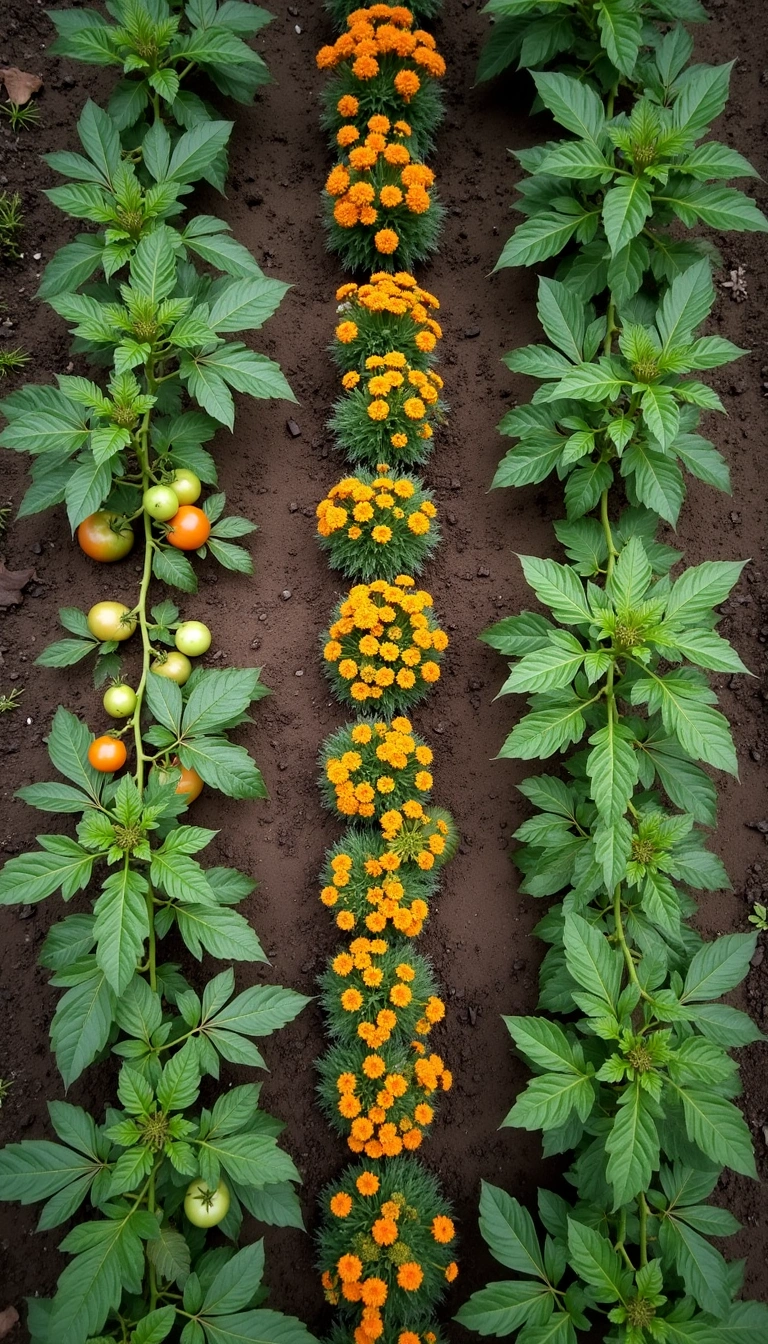
Let’s start with the plants that don’t get along well. Think of these as the garden bullies or the plants that just can’t seem to be friends.
Tomatoes and Cucumbers: These two popular garden plants don’t make good neighbors. Cucumbers can actually make tomatoes taste worse, and they both need lots of water and nutrients. When planted together, they end up fighting over resources like two kids fighting over the last cookie.
Onions and Beans: Beans are special because they can take nitrogen from the air and put it in the soil. But onions don’t like this extra nitrogen – it makes them grow too many leaves and not enough of the tasty bulb part we want to eat.
Carrots and Dill: When dill gets older and starts making seeds, it can actually stunt carrot growth. It’s like dill becomes a mean neighbor once it gets too big!
Broccoli and Tomatoes: Both of these plants are heavy feeders, which means they eat a lot of nutrients from the soil. Planting them together is like having two very hungry people share a small pizza – there’s just not enough to go around.
Sunflowers and Most Vegetables: Sunflowers are beautiful, but they’re not great garden neighbors. They release chemicals that can slow down the growth of many vegetables. It’s their way of making sure they have enough space and food for themselves.
Best Plant Pairings That Work Like Magic
Now for the fun part – the plants that love being together! These combinations can help your garden grow better than you ever imagined.
Tomatoes and Basil: This is probably the most famous plant friendship! Basil helps keep bugs away from tomatoes, and many gardeners say it makes tomatoes taste even better. Plus, they taste great together in cooking too.
Carrots and Radishes: Radishes grow fast and break up the soil, making it easier for carrots to grow their long roots. It’s like radishes are doing the hard work to help their carrot friends!
Corn, Beans, and Squash: Native Americans called this combination the “Three Sisters.” The corn gives the beans something to climb on, the beans add nitrogen to feed all three plants, and the squash leaves shade the ground to keep weeds away and hold in water.
Lettuce and Tall Plants: Lettuce loves shade, especially when the weather gets hot. Planting it near taller plants like tomatoes or corn gives it natural shade and helps it grow longer before it gets bitter.
Marigolds and Almost Everything: Marigolds are like the friendly neighbors everyone loves. They keep many bad bugs away and can be planted near most vegetables. They’re especially good near tomatoes, peppers, and cucumbers.
Roses and Garlic: Garlic planted near roses helps keep aphids and other pests away. It’s like having a natural bodyguard for your beautiful flowers!
Simple Companion Planting Chart
Here’s an easy chart to help you remember which plants are friends and which ones should stay apart:
GOOD COMPANIONS:
🍅 Tomatoes: Basil, marigolds, carrots, lettuce
🥒 Cucumbers: Radishes, beans, marigolds, nasturtiums
🥕 Carrots: Tomatoes, radishes, chives, lettuce
🥬 Lettuce: Carrots, tomatoes, radishes, garlic
🌽 Corn: Beans, squash, cucumbers, sunflowers
🫘 Beans: Corn, carrots, radishes, marigolds
🧅 Onions: Tomatoes, carrots, cabbage, lettuce
🌻 Marigolds: Tomatoes, peppers, cucumbers, beans
BAD COMPANIONS (Keep These Apart!):
🍅 Tomatoes + 🥒 Cucumbers
🧅 Onions + 🫘 Beans
🥕 Carrots + 🌿 Mature Dill
🥦 Broccoli + 🍅 Tomatoes
🌻 Sunflowers + Most small vegetables
🥔 Potatoes + 🍅 Tomatoes
🧄 Garlic + 🫘 Beans
Tips for Success
Remember, companion planting isn’t magic that happens overnight. It takes time to see the benefits, just like building real friendships. Start small with a few tried-and-true combinations like tomatoes with basil or carrots with radishes.
Also, don’t forget about spacing! Even plant friends need their personal space. Make sure to follow the spacing guidelines on your seed packets so your plants have room to grow without crowding each other.
Keep a garden journal to track what works well in your specific garden. Every yard is different, and what works great for your neighbor might need some tweaking in your space.
Companion planting is one of the most fun parts of gardening because it turns your garden into a community where plants help each other thrive. Give it a try this growing season, and watch your garden become happier and healthier than ever before!

Welcome to MithilaConnect, where we curate the art of living, celebrating the vibrant tapestry of life through culture, fashion, food, and everything in between.