

Growing your own vegetables doesn’t require a big backyard or fancy garden beds. You can grow amazing vegetables right on your porch, balcony, or even inside your home using pots and containers! Container gardening is perfect for beginners because it’s easier to control and requires less space.
Whether you live in an apartment or just want to start small, growing vegetables in containers is fun, rewarding, and surprisingly easy. You’ll save money on groceries and enjoy the freshest vegetables possible. Plus, there’s something magical about eating a tomato you grew yourself! In this guide, we’ll show you 30 vegetables that grow beautifully in containers, along with everything you need to know to succeed.
Getting Started: Container Gardening Basics

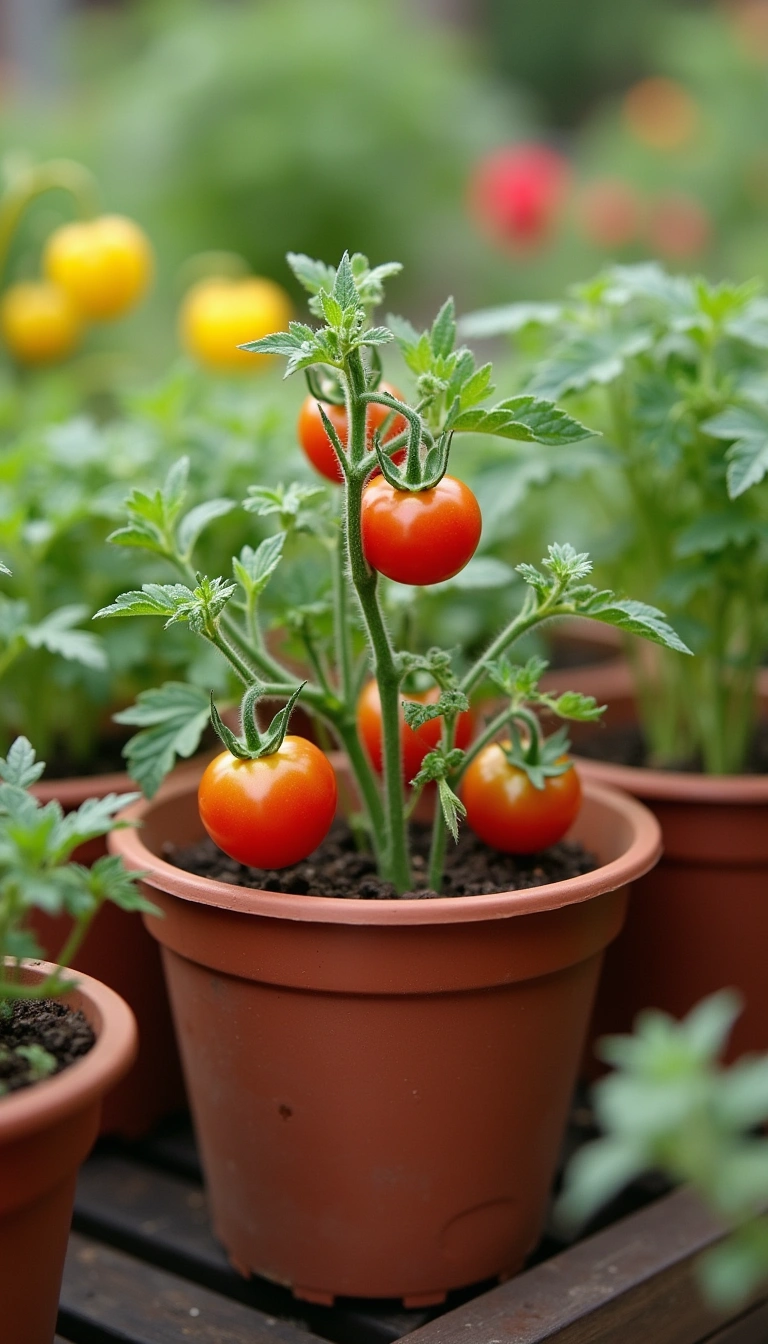
Before we dive into specific vegetables, let’s cover the basics. Container gardening success depends on three main things: the right pot size, good soil, and proper drainage.
Drainage is Key
Every container needs holes in the bottom. Without drainage, water sits in the pot and kills your plants’ roots. If your pretty pot doesn’t have holes, drill some or use it as a decorative cover for a plain pot with holes.
Location Matters
Most vegetables need 6-8 hours of sunlight daily. Watch your space throughout the day to see how much sun it gets. If you don’t have enough sun, try leafy greens or herbs, which can handle less light.
Watering Tips
Container plants dry out faster than ground plants. Check the soil daily by sticking your finger into it. If the top inch feels dry, it’s time to water. Water slowly until you see it draining from the bottom holes.
Best Soil Mix for Container Vegetables
Regular garden soil is too heavy for containers. It doesn’t drain well and can compact, making it hard for roots to grow. Instead, use a high-quality potting mix designed for containers.
Basic Container Soil Recipe:
- 60% high-quality potting mix
- 20% compost
- 20% perlite or vermiculite (for drainage)
Store-Bought Options:
Look for potting mixes labeled “vegetable” or “organic.” Good brands include Miracle-Gro, FoxFarm, and Espoma. Avoid mixes with moisture-retaining crystals for vegetables, as they can hold too much water.
Adding Nutrients
Mix in some slow-release fertilizer when you plant. Organic options like fish meal or kelp meal work great. You can also add liquid fertilizer every 2-3 weeks during the growing season.
30 Vegetables Perfect for Container Growing
Leafy Greens (Easy for Beginners!)
1. Lettuce
Pot Size: 6-8 inches deep, any width
Why It’s Great: Grows fast (30-45 days) and doesn’t need much space. You can harvest outer leaves while the center keeps growing.
Best Varieties: Buttercrunch, Black Seeded Simpson, Red Sails
2. Spinach
Pot Size: 6-8 inches deep, 8+ inches wide
Why It’s Great: Loves cool weather and grows quickly. Perfect for spring and fall growing.
Best Varieties: Space, Bloomsdale, Baby Leaf
3. Kale
Pot Size: 8-10 inches deep, 8+ inches wide
Why It’s Great: Super healthy and keeps producing leaves for months. Can handle light frost.
Best Varieties: Dwarf Blue Curled, Red Russian, Lacinato
4. Arugula
Pot Size: 6 inches deep, any width
Why It’s Great: Grows incredibly fast (21 days!) and adds peppery flavor to salads.
Best Varieties: Rocket, Wild Rocket, Astro
5. Swiss Chard
Pot Size: 8-10 inches deep, 8+ inches wide
Why It’s Great: Beautiful colorful stems make it decorative too. Heat tolerant and long-producing.
Best Varieties: Bright Lights, Fordhook Giant, Ruby Red
Root Vegetables
6. Radishes
Pot Size: 6-8 inches deep for round varieties, 10+ inches for long varieties
Why It’s Great: Ready in just 25-30 days! Great for kids because they grow so fast.
Best Varieties: Cherry Belle, French Breakfast, Easter Egg
7. Carrots
Pot Size: 8-12 inches deep depending on variety
Why It’s Great: Choose shorter varieties for containers. Fun to grow and sweet when homegrown.
Best Varieties: Paris Market (round), Thumbelina, Little Finger
8. Beets
Pot Size: 8-10 inches deep, 6+ inches wide
Why It’s Great: You can eat both the roots and leaves. Very nutritious and colorful.
Best Varieties: Detroit Dark Red, Golden, Chioggia
9. Turnips
Pot Size: 8-10 inches deep, 6+ inches wide
Why It’s Great: Cool weather crop that’s ready in 50-60 days. Both roots and greens are edible.
Best Varieties: Purple Top White Globe, Tokyo Cross, Hakurei
Herbs (Perfect for Kitchen Windowsills)
10. Basil
Pot Size: 6-8 inches deep, 6+ inches wide
Why It’s Great: Smells amazing and essential for Italian cooking. Pinch flowers to keep leaves tender.
Best Varieties: Genovese, Purple Ruffles, Thai Basil
11. Cilantro
Pot Size: 6-8 inches deep, 6+ inches wide
Why It’s Great: Grows quickly but bolts in heat. Plant new seeds every 2-3 weeks for continuous harvest.
Best Varieties: Slow Bolt, Santo, Long Standing
12. Parsley
Pot Size: 6-8 inches deep, 6+ inches wide
Why It’s Great: Long-lasting and you can harvest outer stems while center keeps growing.
Best Varieties: Italian Flat Leaf, Forest Green, Triple Curled
13. Chives
Pot Size: 6 inches deep, 4+ inches wide
Why It’s Great: Perennial herb that comes back every year. Cut like grass and it regrows.
Best Varieties: Common Chives, Garlic Chives
Bush Beans and Peas
14. Bush Beans
Pot Size: 8-10 inches deep, 8+ inches wide
Why It’s Great: Don’t need support like pole beans. Ready in 50-60 days.
Best Varieties: Provider, Contender, Royal Burgundy
15. Snap Peas
Pot Size: 8-10 inches deep, 8+ inches wide
Why It’s Great: You can eat the whole pod. Sweet and crunchy right off the plant.
Best Varieties: Sugar Ann, Sugar Sprint, Cascadia
16. Snow Peas
Pot Size: 8-10 inches deep, 8+ inches wide
Why It’s Great: Flat pods are perfect for stir-fries. Cool weather crop.
Best Varieties: Oregon Sugar Pod, Mammoth Melting Sugar
Compact Fruiting Vegetables
17. Cherry Tomatoes
Pot Size: 12-18 inches deep, 12+ inches wide
Why It’s Great: Easier than large tomatoes and produce more fruit. Kids love popping them in their mouths.
Best Varieties: Tiny Tim, Sweet 100, Black Cherry
18. Determinate Tomatoes
Pot Size: 18-24 inches deep, 18+ inches wide
Why It’s Great: Stay compact and produce all their fruit at once. Good for sauce making.
Best Varieties: Patio, Bush Early Girl, Roma
19. Peppers
Pot Size: 10-12 inches deep, 8+ inches wide
Why It’s Great: Love heat and produce for months. Compact plants perfect for containers.
Best Varieties: Sweet Banana, Lunch Box Mini Sweet, Shishito
20. Mini Eggplant
Pot Size: 12-14 inches deep, 10+ inches wide
Why It’s Great: Regular eggplants are too big, but mini varieties work perfectly in containers.
Best Varieties: Fairy Tale, Little Fingers, Ping Tung
Compact Root Vegetables
21. Potatoes
Pot Size: 16-20 inches deep, 16+ inches wide
Why It’s Great: Fun to grow and you can harvest baby potatoes early. Use seed potatoes, not grocery store ones.
Best Varieties: Yukon Gold, Red Pontiac, Fingerlings
22. Sweet Potatoes
Pot Size: 16-20 inches deep, 18+ inches wide
Why It’s Great: Beautiful trailing vines make them decorative. Need warm weather and long season.
Best Varieties: Centennial, Georgia Jet, Porto Rico
Asian Vegetables
23. Bok Choy
Pot Size: 6-8 inches deep, 6+ inches wide
Why It’s Great: Fast-growing and mild flavor. Great in stir-fries and soups.
Best Varieties: Toy Choy, Shanghai, Win-Win Choy
24. Mizuna
Pot Size: 6-8 inches deep, 8+ inches wide
Why It’s Great: Mild mustard flavor and feathery leaves. Cut-and-come-again harvesting.
Best Varieties: Early Mizuna, Purple Mizuna
Squash and Cucumbers (Compact Varieties)
25. Bush Zucchini
Pot Size: 18-24 inches deep, 24+ inches wide
Why It’s Great: Regular zucchini plants are huge, but bush varieties stay manageable.
Best Varieties: Eight Ball, Patio Star, Spacemiser
26. Bush Acorn Squash
Pot Size: 18-24 inches deep, 24+ inches wide
Why It’s Great: Compact plants that produce full-size squash for fall meals.
Best Varieties: Table Queen Bush, Honey Bear
27. Bush Cucumbers
Pot Size: 12-16 inches deep, 18+ inches wide
Why It’s Great: Don’t need trellising like vining types. Perfect for small spaces.
Best Varieties: Bush Champion, Spacemaster, Salad Bush
Onion Family
28. Green Onions (Scallions)
Pot Size: 6 inches deep, any width
Why It’s Great: Grow super fast and you can regrow them from kitchen scraps in water first.
Best Varieties: Evergreen Hardy White, Red Beard, Tokyo Long White
29. Shallots
Pot Size: 6-8 inches deep, 6+ inches wide
Why It’s Great: Milder than onions and one bulb multiplies into several. Plant sets in fall or spring.
Best Varieties: French Red, Gray Shallot, Ambition
30. Garlic
Pot Size: 8-10 inches deep, 6+ inches wide
Why It’s Great: Plant cloves in fall for summer harvest. Green shoots (scapes) are edible too.
Best Varieties: Music, German Extra Hardy, Chesnok Red
Common Beginner Mistakes (And How to Avoid Them)
Mistake #1: Using Containers That Are Too Small
Plants get root-bound and can’t grow properly. Always go bigger than you think you need. A cramped plant is an unhappy plant.
Mistake #2: No Drainage Holes
This kills more container plants than anything else. If water can’t escape, roots rot. Always drill holes if your container doesn’t have them.
Mistake #3: Using Garden Soil
Garden soil is too heavy and doesn’t drain well in containers. Always use potting mix designed for containers.
Mistake #4: Overwatering
More plants die from too much water than too little. Check soil with your finger before watering. The top inch should be dry.
Mistake #5: Not Enough Sun
Most vegetables need 6-8 hours of direct sunlight. If you don’t have enough sun, stick to leafy greens and herbs.
Mistake #6: Planting Too Early
Wait until after your last frost date for warm-season crops like tomatoes and peppers. Cool-season crops like lettuce can handle light frost.
Mistake #7: Forgetting to Fertilize
Container plants need more nutrients than ground plants because watering washes nutrients away. Feed every 2-3 weeks during growing season.
Mistake #8: Not Harvesting Regularly
Many vegetables like lettuce, beans, and herbs produce more when you harvest regularly. Don’t let them go to seed unless you want seeds.
Mistake #9: Overcrowding Plants
It’s tempting to squeeze in extra plants, but they need space for air circulation and root growth. Follow spacing guidelines on seed packets.
Mistake #10: Giving Up Too Soon
Gardening has a learning curve. Every failure teaches you something. Keep trying and don’t be afraid to experiment!
Getting Started: Your First Container Garden
Start small with 3-5 easy vegetables like lettuce, radishes, and herbs. As you gain confidence and experience, you can expand to more challenging crops like tomatoes and peppers.
Choose vegetables your family actually eats. There’s no point growing brussels sprouts if nobody will eat them! Focus on expensive store-bought items like herbs and salad greens to save the most money. Remember that container gardening is supposed to be fun.
Don’t stress if something doesn’t work perfectly the first time. Every experienced gardener has killed their share of plants while learning…


Welcome to MithilaConnect, where we curate the art of living, celebrating the vibrant tapestry of life through culture, fashion, food, and everything in between.