
10 Medicinal Plants Every Home Garden Should Grow
Growing your own medicine in your backyard is easier than you might think. Many common plants have been used for hundreds of years to help people feel better when they’re sick or hurt. These natural helpers can grow right alongside your vegetables and flowers, giving you a beautiful garden that’s also like a natural pharmacy.
Having medicinal plants at home means you always have simple remedies ready when you need them. Plus, you’ll know exactly how they were grown without any harmful chemicals. Let’s look at ten amazing plants that are perfect for beginners and can help your family stay healthy naturally.
Aloe Vera – The Burn Soother
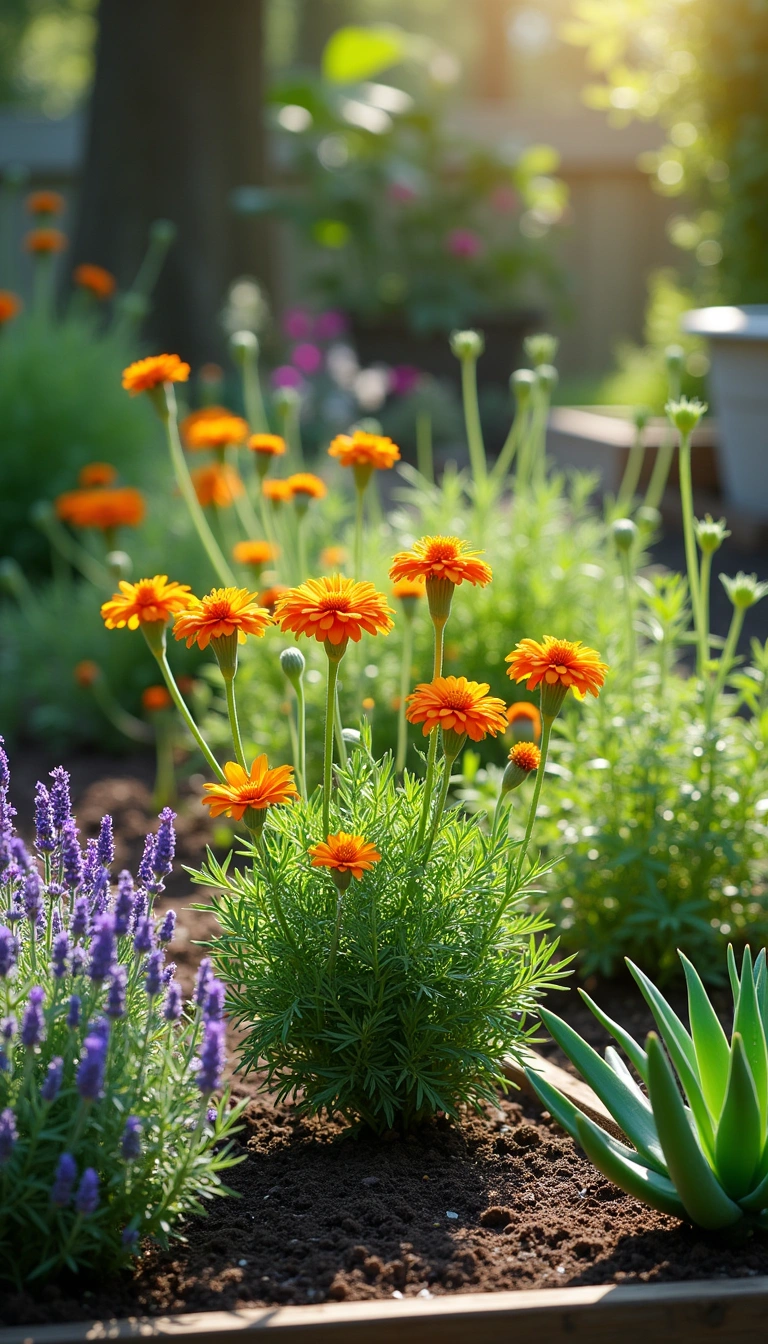
Aloe vera is like having a first aid kit in plant form. This thick, spiky plant is famous for healing burns, cuts, and sunburns. When you break open a leaf, clear gel comes out that feels cool and helps skin heal faster.
Aloe vera loves sunny spots and doesn’t need much water, making it perfect for people who sometimes forget to water their plants. You can grow it in a pot and bring it inside during winter if you live somewhere cold. Just break off a leaf when you need it, and the plant will keep growing new ones.
Lavender – The Calming Friend
Lavender smells wonderful and helps people relax and sleep better. This purple-flowered plant has been used for centuries to calm worried minds and help people rest. You can dry the flowers and make tea, or put dried lavender under your pillow for better sleep.
This plant loves sunny spots and soil that drains well. It doesn’t like too much water, so it’s great for dry areas of your garden. Bees and butterflies love lavender too, so you’ll help your garden friends while growing your medicine.
Echinacea – The Immune System Helper
Echinacea, also called purple coneflower, is a beautiful plant that helps your body fight off colds and flu. Native Americans used this plant long before doctors had modern medicines. The roots and leaves are the most powerful parts.
These pretty purple flowers bloom all summer long and come back every year. They’re tough plants that can handle hot, dry weather. You can make tea from the leaves or buy echinacea pills at the store that come from plants just like the ones in your garden.
Peppermint – The Tummy Settler
Peppermint is amazing for upset stomachs, headaches, and stuffy noses. This plant grows so well that your biggest problem might be keeping it from taking over your whole garden! The leaves smell fresh and minty when you rub them.
Plant peppermint in a pot or give it its own area because it spreads quickly. It likes some shade and moist soil. You can pick leaves anytime to make fresh mint tea, which tastes great and helps with digestion.
Chamomile – The Gentle Healer
Chamomile looks like tiny daisies and makes the most soothing tea. It’s especially good for helping kids and adults calm down and sleep peacefully. Chamomile is also gentle enough to help with tummy troubles and can be used to wash small cuts.
This plant is easy to grow from seeds and likes cool weather. It will often plant itself for next year if you let some flowers go to seed. German chamomile is usually better for medicine than Roman chamomile.
Calendula – The Skin Healer
Calendula flowers are bright orange and yellow, making your garden look cheerful while providing powerful skin medicine. These flowers help heal cuts, rashes, and dry skin. You can make oils or creams from the petals.
Calendula grows quickly from seeds and blooms for months. The more you pick the flowers, the more the plant makes. These flowers are also safe to eat and look pretty in salads.
Lemon Balm – The Stress Reliever
Lemon balm smells like lemons when you touch the leaves and helps people feel less stressed and worried. It’s part of the mint family and grows just as easily. This plant also helps with cold sores and can keep mosquitoes away.
Like other mints, lemon balm spreads quickly, so grow it in a pot or its own space. It makes delicious tea and you can use fresh leaves in cooking. The plant comes back every year and gets bigger each time.
Rosemary – The Memory Booster
Rosemary is a cooking herb that also helps your brain work better and remember things. It smells wonderful and stays green all year in warm places. This plant also helps with sore muscles when used in baths or oils.
Rosemary likes sunny, dry spots and doesn’t need much care once it gets growing. In cold areas, you can grow it in a pot and bring it inside for winter. The needle-like leaves can be picked anytime for cooking or medicine.
Plantain – The Natural Bandage
Plantain (not the banana-like fruit) is probably already growing in your yard as a “weed.” This common plant with oval leaves is amazing for bug bites, small cuts, and bee stings. You can chew up a leaf and put it right on a wound like nature’s bandage.
Plantain grows almost everywhere and doesn’t need any special care. Look for the plants with parallel lines running through the leaves. Both broad-leaf and narrow-leaf plantain work well for healing.
Thyme – The Cough Fighter
Thyme is a small herb with tiny leaves that packs a big punch against coughs and sore throats. It also helps fight germs and bacteria. This little plant is tough and can grow in rocky, dry soil where other plants struggle.
Thyme stays low to the ground and spreads slowly. It comes back every year and has small purple or white flowers that bees love. You can use thyme fresh or dried, and it tastes great in cooking too.
Starting a medicinal garden is a fun way to connect with nature while taking care of your family’s health. Remember to always learn about plants before using them, and check with a doctor for serious health problems. Start with just a few plants and add more as you learn. Soon you’ll have a beautiful garden full of natural helpers ready whenever you need them.

Welcome to MithilaConnect, where we curate the art of living, celebrating the vibrant tapestry of life through culture, fashion, food, and everything in between.