
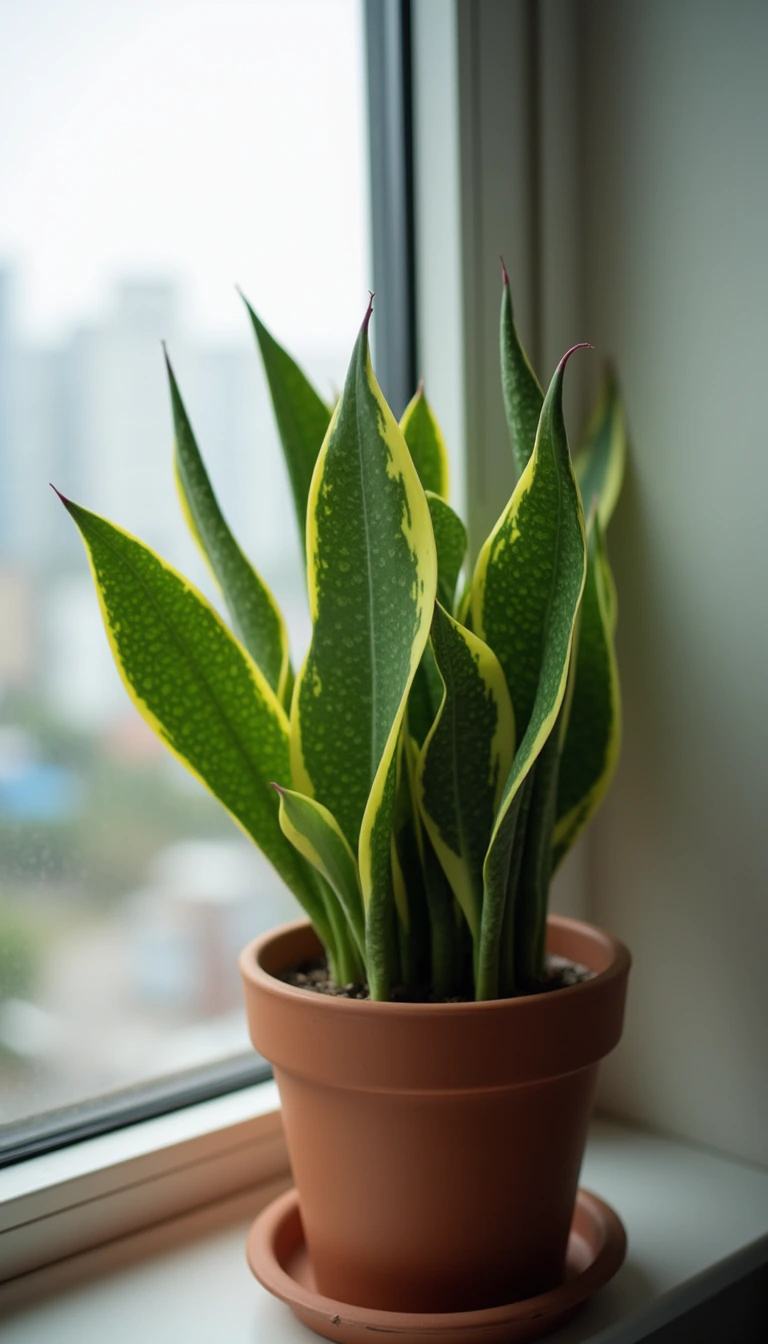
The Complete Snake Plant Care Guide
You want a beautiful plant that’s easy to care for. Snake plants are perfect for you. They forgive mistakes. They clean your air. They look amazing in any room.
This guide will teach you everything. You’ll learn how to keep your snake plant healthy. You’ll discover all the best tips. Let’s get started!
What Makes Snake Plants Special
Snake plants are tough. They survive when other plants die. You can forget to water them. They still grow.
These plants have many names. Some people call them mother-in-law’s tongue. Others say sansevieria. The scientific name is Dracaena trifasciata.
Your snake plant cleans the air while you sleep. It removes toxins from your home. NASA even studied these plants for air purification!
Indoor Snake Plant Care
Your snake plant loves being indoors. It adapts to your home easily. Let’s cover the basics.
Light Requirements
Snake plants need light but not too much. They grow in bright indirect light. They also survive in low light.
You can place them near a window. Just avoid direct hot sun. The leaves will burn if the sun is too strong.
Your plant will grow faster in brighter light. It grows slower in dim corners. Both are fine. The plant adapts.
Try different spots in your home. Watch how your plant responds. You’ll find the perfect place.
Temperature and Humidity
Your home temperature is perfect for snake plants. They like 60-85°F. That’s normal room temperature.
These plants don’t need humid air. Your regular indoor humidity works great. You don’t need to mist them.
Keep them away from cold drafts. Don’t place them near air vents. Avoid very cold windows in winter.
Snake Plant Care: Watering
Watering is the most important skill. You need to get this right. Too much water kills snake plants.
How Often to Water
Water your snake plant every 2-6 weeks. Let the soil dry completely first. Stick your finger in the soil. If it’s dry two inches down, you can water.
In summer, water more often. Your plant grows more. The soil dries faster.
In winter, water less. Your plant rests. It needs less water. You might water once a month or less.
The Right Way to Water
Pour water directly on the soil. Don’t get water on the leaves. Water until it drains from the bottom.
Always empty the drainage tray. Never let your plant sit in water. This causes root rot.
Use room temperature water. Cold water shocks the roots. Let tap water sit overnight to remove chlorine.
Snake Plant Care: Yellow Leaves
Yellow leaves mean something is wrong. You need to fix it. Let’s find the problem.
Overwatering
This is the most common cause. Your plant got too much water. The roots are rotting.
Check the soil. Is it wet and mushy? Does it smell bad? These are signs of overwatering.
Stop watering immediately. Let the soil dry out completely. Remove any yellow leaves. They won’t turn green again.
Poor Drainage
Your pot needs drainage holes. Water must escape. Without holes, water builds up.
Repot your plant if needed. Use a pot with holes. Add fresh soil. Your plant will recover.
Cold Damage
Snake plants hate cold. Temperatures below 50°F cause yellow leaves. Move your plant to a warmer spot.
Natural Aging
Sometimes old leaves turn yellow. This is normal. The plant sheds old leaves to make room for new growth.
Cut off the yellow leaf at the base. Use clean scissors. The plant will grow new leaves.
Soil and Fertilizer
The right soil keeps your plant healthy. Fertilizer helps it grow. But you don’t need much.
Best Soil Mix
Use well-draining soil. Cactus or succulent mix works great. Regular potting soil is too heavy.
You can make your own mix. Combine regular potting soil with perlite or sand. Use half potting soil and half perlite.
The soil should dry quickly. Water should flow through easily. This prevents root rot.
Fertilizing Tips
Snake plants don’t need much fertilizer. Feed them once in spring. Feed them once in summer.
Use a balanced liquid fertilizer. Dilute it to half strength. Too much fertilizer burns the roots.
Don’t fertilize in fall or winter. Your plant is resting. It doesn’t need food during this time.
Snake Plant Care: Propagation
You can grow more snake plants for free. Propagation is easy. You have three methods to choose from.
Division Method
This is the easiest way. Remove your plant from its pot. Look for natural divisions in the root ball.
Gently pull the sections apart. Each section needs roots and leaves. Plant each section in its own pot.
Water lightly after planting. Wait a week before regular watering. The roots need time to adjust.
Leaf Cutting in Soil
Cut a healthy leaf near the base. Cut it into 3-4 inch pieces. Remember which end was up.
Let the cuts dry for 1-2 days. This prevents rot. Then stick the bottom end in soil.
Keep the soil slightly moist. New roots grow in 3-6 weeks. New leaves appear in 2-3 months.
Leaf Cutting in Water
Cut a leaf section like above. Place it in a glass of water. The bottom inch should be underwater.
Change the water weekly. Roots will grow. When roots are 2 inches long, plant in soil.
This method lets you watch the roots grow. It’s fun and rewarding!
Outdoor Snake Plant Care
You can grow snake plants outside. They look stunning in gardens. But you need the right conditions.
Climate Requirements
Snake plants survive outdoors in zones 9-11. These areas stay warm year-round. The temperature shouldn’t drop below 50°F.
In cooler climates, grow them in pots. Bring them inside before frost. They can’t survive freezing temperatures.
Outdoor Light and Location
Choose a spot with partial shade. Morning sun and afternoon shade work best. Full sun can bleach the leaves.
Protect them from harsh afternoon sun. Under a tree canopy is perfect. Near a building’s shade is good too.
Outdoor Watering
Outdoor plants need more water than indoor ones. Check the soil regularly. Water when the top 2 inches are dry.
Rain might provide enough water. In dry periods, water deeply. Make sure excess water drains away.
Outdoor Soil
Garden soil needs good drainage. Mix in sand or perlite. This prevents waterlogging.
Raised beds work wonderfully. The extra height improves drainage. Your plants will thrive.
Common Snake Plant Care Mistakes
Everyone makes mistakes. Learning from them helps your plant grow. Here are the biggest problems.
Mistake 1: Overwatering
This kills more snake plants than anything else. The roots rot. The leaves turn yellow and mushy.
Solution: Water less often. Check the soil first. Let it dry completely between waterings.
Mistake 2: Wrong Pot Choice
Pots without drainage holes trap water. Pots that are too big hold too much moisture. Both cause root rot.
Solution: Always use pots with drainage holes. Choose a pot just slightly bigger than the root ball.
Mistake 3: Too Much Direct Sun
Hot direct sunlight burns the leaves. They turn brown and crispy. The damage doesn’t heal.
Solution: Move your plant to bright indirect light. A few feet from a sunny window is perfect.
Mistake 4: Using Heavy Soil
Regular potting soil holds too much water. Snake plant roots need air. They rot in dense, wet soil.
Solution: Use cactus mix or add perlite to regular soil. The soil should drain quickly.
Mistake 5: Ignoring Pests
Spider mites and mealybugs attack weak plants. They spread quickly. They damage leaves.
Solution: Check your plant regularly. Wipe leaves with a damp cloth. Use insecticidal soap for infestations.
Mistake 6: Repotting Too Often
Snake plants like being slightly root-bound. They don’t need frequent repotting. Too much repotting stresses them.
Solution: Repot only every 2-3 years. Wait until roots grow through drainage holes.
Snake Plant Pot Ideas
The right pot makes your plant look amazing. You have so many options. Let’s explore the best choices.
Terra Cotta Pots
These classic clay pots are perfect for snake plants. They absorb excess moisture. The soil dries faster.
Terra cotta is porous. Air reaches the roots. Your plant stays healthier.
They come in many sizes. The natural color matches any decor. They’re affordable too.
Ceramic Pots
Glazed ceramic pots add color and style. They come in beautiful patterns. They hold moisture longer than terra cotta.
Choose ceramic with drainage holes. The glaze makes them waterproof. Water can’t escape through the sides.
These pots are heavier. They won’t tip over easily. Perfect for tall snake plants.
Modern Concrete Pots
Concrete pots look sleek and modern. They work great with minimalist decor. The gray color complements green leaves.
They’re very heavy but stable. They last forever. Some are sealed, some are porous.
Woven Baskets
Place your plastic nursery pot inside a basket. This adds texture and warmth. It’s an easy, affordable update.
Choose baskets slightly larger than your pot. Make sure water can drain into a tray below.
Self-Watering Pots
These pots have water reservoirs. You fill the reservoir. The plant takes water as needed.
Be careful with these. Snake plants need dry periods. Only use self-watering pots if you travel often.
Hanging Planters
Yes, you can hang snake plants! Smaller varieties work best. The leaves cascade beautifully.
Use macramé hangers for a boho look. Metal hangers give a modern feel. Make sure the hanger is strong enough.
Beautiful Snake Plant Varieties
Snake plants come in many varieties. Each one is unique. You can collect different types. Here are the most popular.
Sansevieria Trifasciata ‘Laurentii’
This is the classic snake plant. It has tall, upright leaves. The leaves are dark green with yellow edges.
It grows 2-4 feet tall. It’s perfect for corners. The yellow stripes add brightness.
Sansevieria Trifasciata ‘Moonshine’
Moonshine has pale silvery-green leaves. They almost glow. The leaves are wide and smooth.
This variety grows slower than others. It stays compact. Perfect for small spaces.
Sansevieria Cylindrica
These leaves are round, not flat. They grow in a fan shape. They look like green fingers reaching up.
Some are braided when young. The braided versions are stunning. They’re conversation starters.
Sansevieria ‘Black Gold’
Black Gold has very dark green leaves. The yellow margins are thin and bright. The contrast is striking.
It grows similar to Laurentii. But the darker color makes it more dramatic.
Sansevieria ‘Whale Fin’
This variety has one large, wide leaf. It looks like a whale’s fin. Each plant has just one or two leaves.
The leaf can grow over 3 feet tall. It’s a showstopper. Perfect for modern decor.
Sansevieria Trifasciata ‘Twisted Sister’
This dwarf variety has twisted, curled leaves. They grow in a rosette pattern. The yellow edges curl beautifully.
It stays under 12 inches tall. Perfect for desks and shelves. It’s adorable and unique.
Sansevieria ‘Bantel’s Sensation’
This rare variety has white vertical stripes. The leaves are narrow and tall. It looks elegant and refined.
The white stripes make it special. It grows slower than other varieties. It’s harder to find but worth it.
Sansevieria ‘Starfish’
Short, thick leaves grow in a star pattern. Each plant looks like a starfish. They stay very compact.
Perfect for small pots. Great for windowsills. They multiply quickly.
Your Snake Plant Care Questions Answered
How long do snake plants live?
Snake plants can live 5-10 years or more. With proper care, they last decades. Some people have plants passed down through generations.
Are snake plants safe for pets?
No, snake plants are toxic to cats and dogs. They cause nausea and vomiting if eaten. Keep them away from curious pets. Place them on high shelves or in rooms pets can’t access.
Why is my snake plant falling over?
Overwatering makes leaves soft and floppy. The soil becomes too heavy. The plant can’t support itself. Let the soil dry out completely. Consider repotting in fresh, dry soil.
Can I grow snake plants in water permanently?
You can root cuttings in water. But long-term water growing isn’t ideal. Snake plants prefer soil. Transfer rooted cuttings to soil for best results.
Do snake plants bloom?
Yes! Snake plants bloom when stressed or pot-bound. The flowers are small and white. They smell sweet, especially at night. Blooms are rare indoors but exciting when they happen.
How fast do snake plants grow?
Snake plants grow slowly. They might add 2-4 new leaves per year. More light and proper care speed up growth. Be patient with these slow growers.
Should I clean the leaves?
Yes! Dust blocks light. Wipe leaves monthly with a damp cloth. This helps the plant absorb more light. It also prevents pests. Don’t use leaf shine products.
When should I repot my snake plant?
Repot every 2-3 years in spring. Wait until roots come through drainage holes. Or wait until the pot cracks from pressure. Choose a pot only 1-2 inches larger.
Final Thoughts on Snake Plant Care
You now know everything about snake plant care. You can grow beautiful, healthy plants. Remember the key points: less water is better, good drainage is essential, and bright indirect light works best.
Start with one snake plant. Watch it grow. Learn its needs. Then add more varieties to your collection.
These plants are forgiving. They teach you patience. They reward you with beautiful foliage year after year.
Don’t be afraid to make mistakes. Every plant parent does. Your snake plant will bounce back. Just adjust your care and keep learning.
Enjoy your snake plant journey. Share cuttings with friends. Fill your home with these amazing plants. You’ve got this!

Welcome to MithilaConnect, where we curate the art of living, celebrating the vibrant tapestry of life through culture, fashion, food, and everything in between.