
Beginner Gardening Mistakes You Must Avoid (With Fixes)
Starting your first garden is an exciting journey, but many new gardeners unknowingly make mistakes that can lead to disappointment and wasted effort. These common pitfalls can turn what should be a rewarding experience into a frustrating struggle. The good news is that most beginner gardening mistakes are easily preventable once you know what to watch out for. By understanding these potential issues and their solutions, you’ll be well on your way to creating a thriving garden that brings you joy for seasons to come.
Overwatering Your Plants
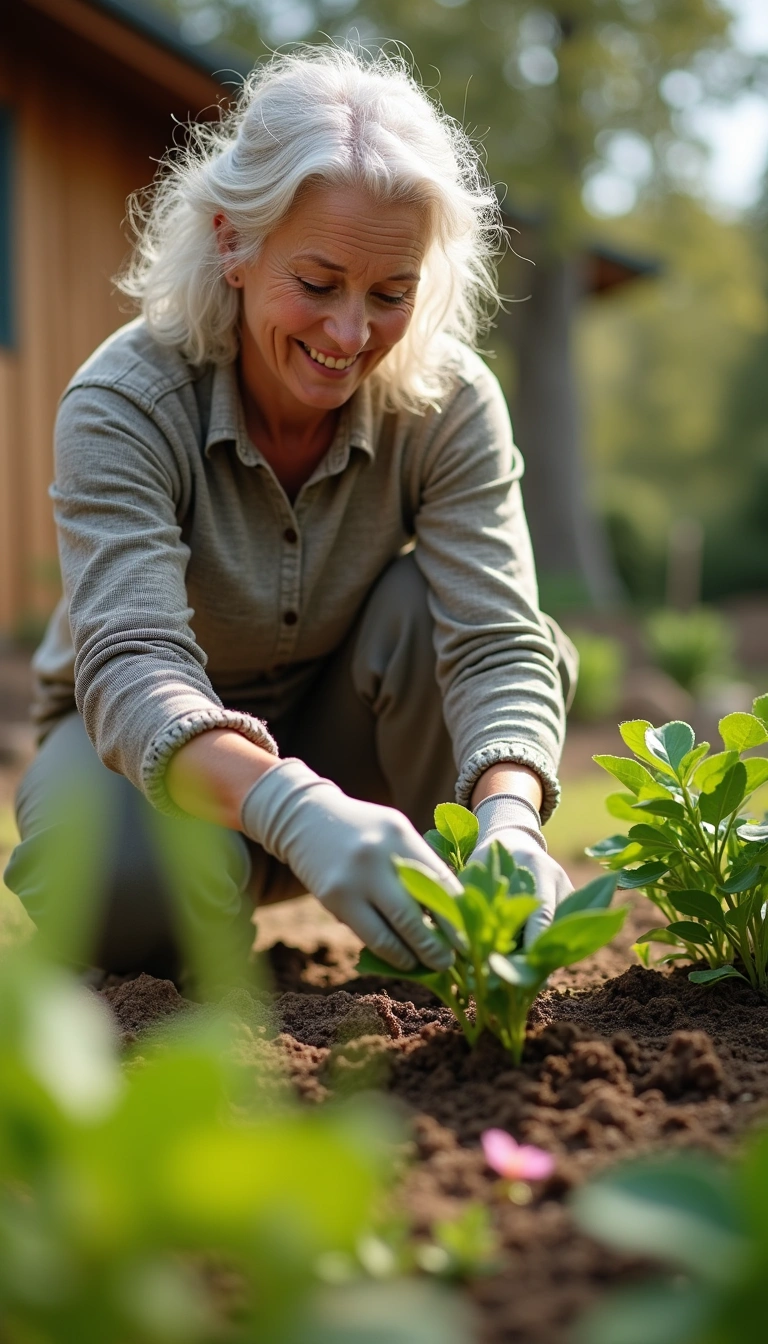
One of the most frequent mistakes new gardeners make is giving their plants too much water. It’s natural to want to nurture your plants, but excessive watering can actually harm them more than help them. Overwatered plants often develop root rot, yellowing leaves, and become susceptible to fungal diseases.
The Fix: Check the soil moisture before watering by inserting your finger about 2 inches deep into the soil. If it feels dry at that depth, it’s time to water. Most plants prefer deep, infrequent watering rather than frequent shallow watering. Water early in the morning to allow plants to absorb moisture before the heat of the day and to prevent fungal issues that can develop when leaves stay wet overnight.
Planting in the Wrong Location
Many beginners choose planting locations based on convenience or aesthetics rather than considering what their plants actually need. Sun-loving tomatoes planted in shade will produce poorly, while shade-loving hostas will struggle in full sun. This mismatch between plant needs and growing conditions is a recipe for gardening frustration.
The Fix: Before planting anything, observe your yard throughout the day to understand the light patterns. Note which areas receive full sun (6+ hours), partial sun/shade (3-6 hours), or full shade (less than 3 hours). Read plant tags carefully and match your plants to the appropriate light conditions. Also consider factors like wind exposure, drainage, and proximity to water sources when selecting planting locations.
Ignoring Soil Quality
Soil is the foundation of any successful garden, yet many beginners plant directly into whatever soil exists in their yard without testing or amending it. Poor soil leads to weak plants, poor yields, and increased susceptibility to pests and diseases. Heavy clay soil, sandy soil, or soil with poor pH can all create challenging growing conditions.
The Fix: Test your soil pH using a simple soil test kit available at garden centers. Most vegetables and flowers prefer a pH between 6.0 and 7.0. Improve soil structure by adding 2-4 inches of compost or well-aged manure before planting. For clay soil, add coarse sand and organic matter to improve drainage. For sandy soil, add compost and peat moss to help retain moisture and nutrients.
Planting Too Early or Too Late
Timing is crucial in gardening, and planting at the wrong time can set your garden up for failure. Planting warm-season crops like tomatoes and peppers before the last frost can kill them, while waiting too long to plant cool-season crops like lettuce and peas means they’ll struggle in summer heat.
The Fix: Learn your USDA hardiness zone and average last frost date for your area. Use this information to plan your planting schedule. Start seeds indoors 6-8 weeks before the last frost for warm-season crops, and plant them outside only after soil temperatures consistently reach 60°F or higher. Cool-season crops can be planted 2-4 weeks before the last expected frost.
Overcrowding Plants
When plants are small, it’s tempting to place them closer together than recommended. New gardeners often want to maximize their space or create a fuller look immediately. However, overcrowded plants compete for nutrients, water, and light, leading to weak growth, poor air circulation, and increased disease problems.
The Fix: Always follow spacing recommendations on seed packets or plant tags. These guidelines account for the plant’s mature size, not its size at planting. If your garden looks sparse initially, fill empty spaces with quick-growing crops like radishes or lettuce that can be harvested before larger plants need the space. Good spacing also makes weeding, watering, and harvesting much easier.
Not Preparing for Pests and Diseases
Many beginners assume their garden will naturally stay healthy and are caught off guard when pests or diseases appear. By the time problems are noticed, significant damage may already be done. Prevention is always easier and more effective than treatment after problems develop.
The Fix: Implement integrated pest management from the start. This includes choosing disease-resistant plant varieties, rotating crops annually, encouraging beneficial insects with diverse plantings, and inspecting plants regularly for early signs of problems. Keep your garden clean by removing dead plant material and weeds that can harbor pests and diseases. Consider companion planting – for example, planting marigolds near tomatoes can help repel certain pests.
Fertilizing Incorrectly
Fertilizer mistakes come in many forms: using too much, using too little, using the wrong type, or applying it at the wrong time. Over-fertilizing can burn plants or promote excessive leaf growth at the expense of flowers and fruits. Under-fertilizing leaves plants weak and unproductive.
The Fix: Start with a soil test to determine what nutrients your soil actually needs. Use a balanced, slow-release fertilizer for most garden plants, following package directions carefully. Remember that more is not better when it comes to fertilizer. Organic options like compost, fish emulsion, or bone meal release nutrients slowly and are harder to over-apply. Feed heavy feeders like tomatoes and corn more frequently, while herbs and native plants typically need less fertilization.
Starting Too Big
Enthusiasm often leads new gardeners to plan elaborate gardens that become overwhelming to maintain. A large garden requires significant time for planting, weeding, watering, and harvesting. When the garden becomes too much work, it’s often abandoned mid-season, leading to disappointment and discouragement.
The Fix: Start small with a 4×4 foot plot or a few containers, and expand gradually as you gain experience and confidence. A well-maintained small garden will be more productive and enjoyable than a large, neglected one. Focus on growing a few crops well rather than attempting to grow everything at once. You can always expand your garden in future seasons as your skills and available time increase.
Remember, gardening is a learning process, and even experienced gardeners make mistakes. The key is to view these challenges as opportunities to learn and improve. Keep a garden journal to track what works and what doesn’t in your specific conditions, and don’t be afraid to ask questions at your local garden center or extension office. With patience and attention to these common pitfalls, you’ll be well on your way to gardening success.

Welcome to MithilaConnect, where we curate the art of living, celebrating the vibrant tapestry of life through culture, fashion, food, and everything in between.