
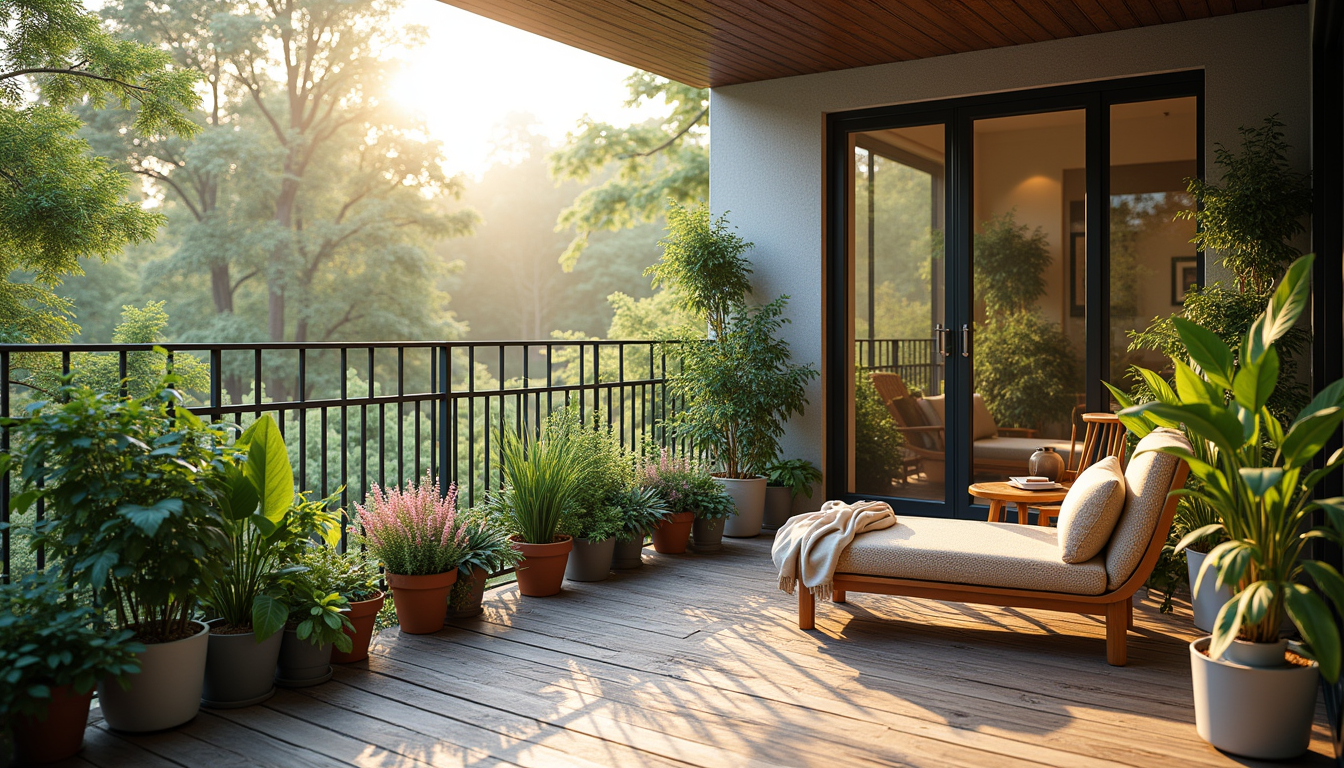
Urban Gardening: Your Complete Guide to Growing Green in the City
Do you dream of fresh tomatoes from your own garden but live in an apartment? Does the idea of growing herbs right outside your kitchen window sound amazing? You’re not alone! Urban gardening is changing the way city dwellers connect with nature, one plant at a time.
Whether you have a tiny balcony, a small patio, or just a sunny windowsill, you can create your own green paradise. This guide will show you everything you need to know about growing beautiful, productive gardens in urban spaces.
What Is Urban Gardening and Why Does It Matter?
Urban gardening is simply the practice of growing plants in city environments. It’s about making the most of whatever space you have, whether that’s a rooftop, balcony, fire escape, or even indoor areas near windows.
Why are so many people falling in love with urban gardening? The benefits are incredible. You get fresh, organic produce right at home, which saves money and tastes better than store-bought options. You’ll also reduce your carbon footprint since your food travels from plant to plate in seconds, not thousands of miles. Plus, gardening reduces stress, improves air quality, and creates beautiful green spaces in concrete jungles.
Urban gardens also bring communities together. Neighbors share tips, seeds, and surplus harvests. They transform bland city spaces into vibrant, living areas that everyone can enjoy.
Getting Started: Your Beginner Urban Gardening Guide
If you’ve never gardened before, don’t worry! Urban gardening is perfect for beginners because you start small and learn as you grow.
Choose Your Space Wisely
Look around your home. Where does sunlight hit? Most vegetables and flowers need at least 6 hours of direct sunlight daily. Herbs and leafy greens can handle a bit less. Take a few days to observe how light moves across your balcony, patio, or windowsills throughout the day.
Consider wind exposure too. High-rise balconies can be quite windy, which dries out plants quickly. You might need windbreaks or heavier containers.
Start with Easy Plants
Some plants practically grow themselves, making them perfect for beginners. Herbs like basil, mint, parsley, and cilantro are forgiving and useful. Salad greens such as lettuce, spinach, and arugula grow quickly and don’t need much space. Cherry tomatoes are incredibly rewarding, even in pots. Radishes mature in just 3-4 weeks, giving you fast results that build confidence.
Understand Your Climate
Know your growing zone and first/last frost dates. This information helps you choose the right plants and know when to plant them. Most seed packets include this information. Don’t fight your climate—work with it! In hot areas, focus on heat-loving plants like peppers and eggplants. In cooler regions, embrace lettuce, peas, and cool-season crops.
Urban Container Gardening: Your Secret Weapon
Containers are the foundation of most urban gardens. They’re portable, versatile, and let you garden anywhere.
Choosing the Right Containers
Size matters! Small herbs can thrive in 6-8 inch pots, but tomatoes and peppers need at least 5-gallon containers. Bigger is usually better because larger containers hold more water and nutrients, reducing your workload.
Drainage is non-negotiable. Every container must have drainage holes to prevent root rot. If you fall in love with a pot without holes, use it as a decorative cover for a functional pot inside it.
Material choices include plastic (lightweight and affordable), terracotta (breathable but dries out quickly), fabric grow bags (excellent drainage and air circulation), and wood (natural looking but needs maintenance). Each has pros and cons, so mix and match based on your needs.
The Magic of Good Soil
Never use garden soil in containers—it’s too heavy and compacts easily. Instead, use potting mix, which is lighter and drains well. Quality potting mix is worth the investment. It should feel fluffy and hold moisture without staying soggy.
For eco-friendly urban gardening, make your own mix using one-third compost, one-third coconut coir or peat moss, and one-third perlite or vermiculite. This gives you drainage, nutrients, and moisture retention all in one.
Urban Gardening Balcony Ideas That Maximize Space
Balconies are prime real estate for urban gardeners, but space is limited. Here’s how to make every inch count.
Vertical Gardening Solutions
Think up, not just out! Wall-mounted planters, hanging pots, trellises for climbing plants like beans and cucumbers, ladder-style plant stands, and pocket planters made from fabric or recycled materials all help you grow more in less space.
One creative idea is to attach a trellis to your balcony railing and grow climbing plants up it. You’ll create a living privacy screen while producing food!
Railing Planters
Special planters hook right onto balcony railings, using space that would otherwise go to waste. They’re perfect for herbs, strawberries, and trailing flowers. Make sure they’re securely attached, especially if you’re several floors up.
Layer Your Plants
Create a tiered effect by placing taller plants in the back, medium plants in the middle, and trailing plants in front. This maximizes light exposure and creates visual interest. Your balcony becomes a lush garden instead of a few scattered pots.
Mobile Gardens
Put containers on plant caddies with wheels. This lets you move plants to follow the sun or bring tender plants inside during bad weather. An urban gardening cart also makes watering and maintenance much easier on your back.
Creative Urban Gardening Tips for Small Spaces
When space is tight, creativity becomes your best friend.
Window Box Gardens
Window boxes aren’t just decorative—they’re productive! Fill them with herbs you use for cooking, edible flowers like nasturtiums, or colorful lettuces. You can reach out your window and harvest dinner ingredients while cooking.
Repurpose Everyday Items
DIY urban gardening tips often involve creative containers. Old colanders make great planters with built-in drainage. Wooden crates, vintage buckets, broken ceramic pots (use the pieces for drainage layers), and even old boots or shoes can all become planters. This approach is budget-friendly and adds personality to your garden.
Companion Planting in Containers
Some plants grow beautifully together in the same pot, saving space. Try tomatoes with basil, carrots with chives, lettuce with radishes, or cucumbers with nasturtiums. These combinations help each other grow while maximizing your container space.
Indoor Options
Don’t overlook indoor possibilities. Sunny windowsills are perfect for herbs. Many people successfully grow lettuce, microgreens, and even cherry tomatoes indoors under grow lights. An indoor herb garden means fresh flavor all year, regardless of weather.
Sustainable Urban Gardening Tips for Eco-Conscious Growers
Urban gardening naturally connects to environmental care. Here are eco-friendly urban gardening ideas that benefit both your garden and the planet.
Composting for Small Spaces
Even apartment dwellers can compost! Try countertop compost bins with charcoal filters (no smell!), vermicomposting with worms in a small bin, or bokashi composting that ferments food scraps in an airtight container. Your plants will love the nutrient-rich compost, and you’ll divert waste from landfills.
Water Conservation
Water is precious, especially in cities. Use self-watering containers that reduce watering frequency, collect rainwater in barrels if your building allows, water early morning or evening to minimize evaporation, and add mulch to container tops to retain moisture. These eco-friendly urban gardening tips save water and money while keeping plants healthy.
Natural Pest Control
Skip harsh chemicals. Instead, plant marigolds to deter pests, spray soapy water on aphids, introduce beneficial insects like ladybugs, or use neem oil for persistent problems. These methods protect helpful insects like bees and butterflies that might visit your urban garden.
Seed Saving and Plant Sharing
Save seeds from this year’s plants for next season. Share seeds, cuttings, and surplus plants with neighbors or through local gardening groups. This builds community while reducing waste and shopping trips.
Colorful Urban Gardening: Making Your Space Beautiful
Your urban garden should be both productive and beautiful. After all, you look at it every day!
Choose Plants with Multiple Seasons of Interest
Some plants offer spring flowers, summer foliage, and fall color all in one. Others have interesting textures or colors that look good even when not blooming. Edible kale comes in gorgeous purples and pinks. Swiss chard has bright, colorful stems. Many herbs have beautiful flowers if you let them bloom.
Mix Edibles with Ornamentals
Who says vegetables can’t be pretty? Create a colorful urban gardening display by mixing purple basil with yellow marigolds, red cherry tomatoes cascading from hanging baskets, blue-green kale alongside pink petunias, or strawberries with their white flowers and red fruits mixed with colorful annuals.
Container Color Coordination
Don’t forget the pots themselves! Painted containers, coordinated colors, or an eclectic mix of vintage finds all add personality. Just make sure the containers don’t overshadow the plants.
Add Non-Plant Elements
Small garden art, decorative stakes, string lights for evening ambiance, or a small water feature can transform your space. These touches make your urban garden feel like an outdoor room, not just a collection of pots.
Spring Urban Gardening: Starting the Season Right
Spring is the most exciting time for urban gardeners! Here’s how to make the most of it.
Early Spring Tasks
Clean containers from last season with a mild bleach solution to kill disease spores. Check soil and refresh or replace it if needed. Start seeds indoors 6-8 weeks before your last frost date. Plan what you’ll grow and where based on last year’s successes and failures.
Cool-Season Crops
Plant these as soon as you can work the soil in spring: peas, lettuce, spinach, radishes, kale, and arugula. They actually prefer cooler weather and will bolt (go to seed) when temperatures rise. Give them their moment in spring!
Succession Planting
Plant small amounts every 2 weeks instead of all at once. This gives you continuous harvests rather than a big glut followed by nothing. This technique works great for lettuce, radishes, and herbs.
Hardening Off
If you started seeds indoors, they need gradual adjustment to outdoor conditions. Place them outside for a few hours daily, gradually increasing time over 7-10 days. This prevents shock and strengthens plants.
Urban Gardening Challenges and How to Overcome Them
Every gardener faces obstacles. Here’s how to handle common urban gardening challenges.
Limited Sunlight
Many urban spaces have shade from buildings. Focus on shade-tolerant plants like lettuce, spinach, herbs (though they’ll be less bushy), and ferns or hostas for ornamental gardens. Use reflective surfaces like white walls or aluminum foil behind plants to bounce more light onto them.
Weight Restrictions
High-rise balconies often have weight limits. Use lightweight containers like fabric pots or plastic instead of ceramic or concrete. Choose lightweight potting mix, not heavy soil. Distribute weight evenly across the balcony rather than clustering everything in one spot. Check your building’s rules before setting up your garden.
Pest Problems
Cities have plenty of pests! Aphids, whiteflies, and fungus gnats all love urban gardens. Check plants regularly to catch problems early. Remove pests by hand or with a strong spray of water. Use companion planting and beneficial insects as your first line of defense. Only resort to organic pesticides if absolutely necessary.
Pollution and Air Quality
City air isn’t pristine, but your plants actually help filter it! Wash produce well before eating it. Plants in containers are less affected than ground gardens since they’re not absorbing contaminants from soil. Focus on the health benefits and environmental good your garden creates.
Time Management
Busy city life makes consistent garden care challenging. Choose low-maintenance plants if you travel often. Set up self-watering systems or drip irrigation. Find a plant-sitting buddy who’ll water in exchange for harvests. Remember that even 15 minutes a few times a week can maintain a lovely garden.
Ideas for Urban Gardening Projects to Try This Year
Ready to take your garden to the next level? Here are inspiring ideas for urban gardening projects.
Theme Gardens
Create a pizza garden with tomatoes, basil, oregano, and peppers. Build a salsa garden with tomatoes, peppers, cilantro, and onions. Design a tea garden with mint, chamomile, lemon balm, and lavender. Grow a cocktail garden with mint, basil, rosemary, and edible flowers. Theme gardens are fun to plan and incredibly practical!
Vertical Pallet Garden
Repurpose a wooden pallet into a vertical planter. Sand it down, add landscape fabric to create pockets, fill with soil, and plant. Lean it against a wall for an instant vertical garden perfect for herbs or flowers.
Strawberry Tower
Stack several pots in a pyramid shape, graduating from large at bottom to small at top. Plant strawberries in each pot. The plants cascade beautifully, and you can grow dozens of strawberry plants in a small footprint.
Living Wall
Install a grid or pocket system on a wall and fill it with plants. This creates a stunning green wall that’s both art and garden. Choose a mix of edibles and ornamentals for visual interest and productivity.
Kids’ Garden
Get children involved with fast-growing, fun plants. Sunflowers grow tall and dramatic. Cherry tomatoes are sweet and easy. Strawberries feel like treasure. Herbs let kids smell and taste their work. Radishes pop up in less than a month. Give kids their own small containers to care for. This builds responsibility and connection to food.
Modern Urban Gardening Design Principles
Today’s urban gardens blend aesthetics with function. Here’s how to achieve a modern look.
Minimalist Approach
You don’t need dozens of plant varieties to create impact. Choose 3-5 types of plants and repeat them throughout your space for cohesion. Use clean-lined containers in neutral colors. Leave some empty space—not every surface needs a plant. This creates a calm, intentional feeling.
Mixed Materials
Combine different textures: smooth metal containers with rough wooden boxes, concrete planters with soft fabric grow bags, or sleek modern pots with rustic wicker baskets. This contrast creates visual interest.
Define Zones
Even in small spaces, create purpose. Designate a growing zone where you produce food, a relaxation zone with a chair surrounded by fragrant plants, and a visual focus zone with your most beautiful plants. This makes your space feel larger and more intentional.
Incorporate Technology
Smart watering systems, grow lights on timers, moisture sensors, and apps that track watering and fertilizing schedules can all support your modern urban garden. Technology makes gardening easier and more successful.
Outdoor Urban Gardening Ideas Beyond the Balcony
If you have access to other outdoor spaces, the possibilities expand!
Rooftop Gardens
Rooftops offer excellent sun but challenging conditions. Wind and weight are major concerns. Use low-growing, wind-resistant plants. Ensure proper waterproofing and drainage. Check building codes before starting. Consider a green roof system designed for rooftop use. The views and productive space make it worthwhile!
Community Garden Plots
Join a community garden if you don’t have personal outdoor space. You’ll get a plot to grow what you want plus meet fellow gardeners who share knowledge and resources. Many cities have waiting lists, so sign up early!
Guerrilla Gardening
Some urban gardeners transform neglected public spaces by planting flowers or food. This beautifies neighborhoods and reclaims wasted space. Check local regulations first, and focus on native, hardy plants that can survive without constant care.
Shared Spaces
Work with neighbors to garden in shared courtyards or unused parking spaces. Pool resources for bulk soil and supplies. Share harvests and garden duties. These collaborative gardens build strong communities.
Vibrant Urban Gardening Through the Seasons
Keep your garden interesting all year long with seasonal planning.
Summer Abundance
This is peak growing season. Tomatoes, peppers, eggplants, cucumbers, squash, beans, and corn all thrive in summer heat. Water daily during hot spells. Harvest regularly to encourage more production. Enjoy fresh salads and preserve extra produce.
Fall Transition
As summer winds down, plant cool-season crops again. Broccoli, cauliflower, Brussels sprouts, carrots, and beets all grow beautifully in fall. Many develop sweeter flavor after frost. This extends your harvest season significantly.
Winter Planning
Even in winter, you can grow! Cold frames and cloches protect plants from frost. Grow cold-hardy greens like kale, spinach, and mâche. Move tender plants indoors. Plan next year’s garden during quiet winter months.
Year-Round Herbs
Keep a windowsill herb garden going all winter. Bring potted herbs inside before frost. You’ll have fresh flavor even when everything else is dormant.
Urban Gardening Solutions for Common Frustrations
Every gardener encounters setbacks. Here’s how to troubleshoot.
Plants Not Growing
Check for insufficient light (most common problem), poor quality soil, wrong plant for conditions, or watering issues (too much or too little). Most problems have simple solutions once you identify them.
Everything Dies
Don’t give up! Gardening is learned through experience. Start with just 2-3 easy plants. Follow basic care instructions consistently. Join online gardening groups for support and advice. Every successful gardener has killed plants—it’s part of learning!
No Space Left
Get creative! Use vertical space, hang pots from hooks, try smaller plant varieties bred for containers, or thin out decorative plants to make room for edibles. Sometimes less is more—a few well-cared-for plants produce more than many neglected ones.
Too Expensive
Gardening can be budget-friendly. Save seeds from groceries, propagate cuttings from friends’ plants, use recycled containers, and make your own compost. Join plant swaps and seed libraries. Start small and expand as you harvest—one tomato plant can pay for itself many times over.
Your Urban Gardening Setup: Essential Tools and Supplies
You don’t need much to start urban gardening, but a few key items make life easier.
Basic Tool Kit
Keep these on hand: hand trowel for digging and transplanting, watering can with a long spout to reach back plants, pruning shears for harvesting and maintenance, spray bottle for misting and pest control, and gardening gloves to protect your hands. These basics handle 90% of urban gardening tasks.
Nice to Have
As you garden more, you might add: a small stool or kneeling pad, plant labels to remember what you planted where, a moisture meter to take guesswork out of watering, or a soil scoop for mixing and filling containers. Buy these as needed rather than all at once.
Storage Solutions
Keep supplies organized with hooks for hanging tools, a small cabinet or storage bench, and clear bins labeled by category. An organized setup makes gardening more enjoyable and helps you maintain your garden consistently.
Gardening Inspiration for Urban Spaces: Real Success Stories
Sometimes seeing what others achieve inspires us most!
The Fire Escape Farm
One Brooklyn gardener transformed her fire escape into a productive garden with railing planters of lettuce and herbs, hanging baskets of tomatoes, and a vertical trellis with beans. She harvests salad ingredients daily, all from a space just 3 feet wide.
The Balcony Oasis
A Denver apartment dweller created a peaceful retreat with a mix of flowers, herbs, and vegetables in coordinated pots. By adding string lights and a small bistro set, she made a space perfect for morning coffee surrounded by beauty she grew herself.
The Condo Community Garden
Residents of a Los Angeles condo complex converted unused concrete space into raised bed gardens. Each unit gets a 4×4 bed to grow whatever they choose. The shared space has created friendships and regular potluck dinners featuring everyone’s harvests.
These stories prove that any space can become a garden with creativity and care!
Making Your Urban Garden Uniquely Yours
The best part of urban gardening? There’s no wrong way to do it! Your garden should reflect your personality, needs, and goals.
Listen to Your Space
Every location is different. Pay attention to what thrives in your specific conditions. The best plan is the one that works for your unique situation. Experiment, observe, and adjust.
Grow What You’ll Actually Use
Don’t plant things just because you “should.” If you hate cilantro, skip it! If you love basil, grow lots. Your garden should bring you joy and usefulness. When you grow food you actually eat, nothing goes to waste.
Embrace Imperfection
Your garden won’t look like magazine photos, and that’s perfect. Wonky tomatoes taste just as good as perfect ones. A few holes in leaves don’t matter if the plant is healthy. Gardening is a process, not a destination.
Share Your Journey
Take photos to document your progress. Share successes (and failures!) with friends or online communities. Your story might inspire someone else to start growing. The urban gardening community is welcoming and supportive—we all started knowing nothing!
Growing Forward: Your Urban Garden Awaits
You now have everything you need to start your urban gardening adventure. Remember, every expert gardener started as a beginner who was willing to try.
Start this weekend by choosing one sunny spot in your home. Pick up a pot, some soil, and one easy plant like basil or lettuce. Plant it, water it, and watch what happens. That’s all gardening really is—observing, learning, and growing alongside your plants.
Urban gardening isn’t just about food or flowers. It’s about reconnecting with natural cycles in our busy modern lives. It’s about creating beauty and life in unexpected places. It’s about the satisfaction of nurturing something with your own hands.
Your city is full of potential growing spaces waiting to be transformed. Balconies, windowsills, rooftops, and small patios can all burst with green life and colorful blooms. Every plant you grow makes your city a little greener, your air a little cleaner, and your life a little richer.
So grab a pot, some soil, and seeds for something delicious. Your urban garden journey starts now. Welcome to the wonderful, rewarding world of growing your own green space in the city. Your future self—and your future harvests—will thank you!
Happy gardening!

Welcome to MithilaConnect, where we curate the art of living, celebrating the vibrant tapestry of life through culture, fashion, food, and everything in between.