


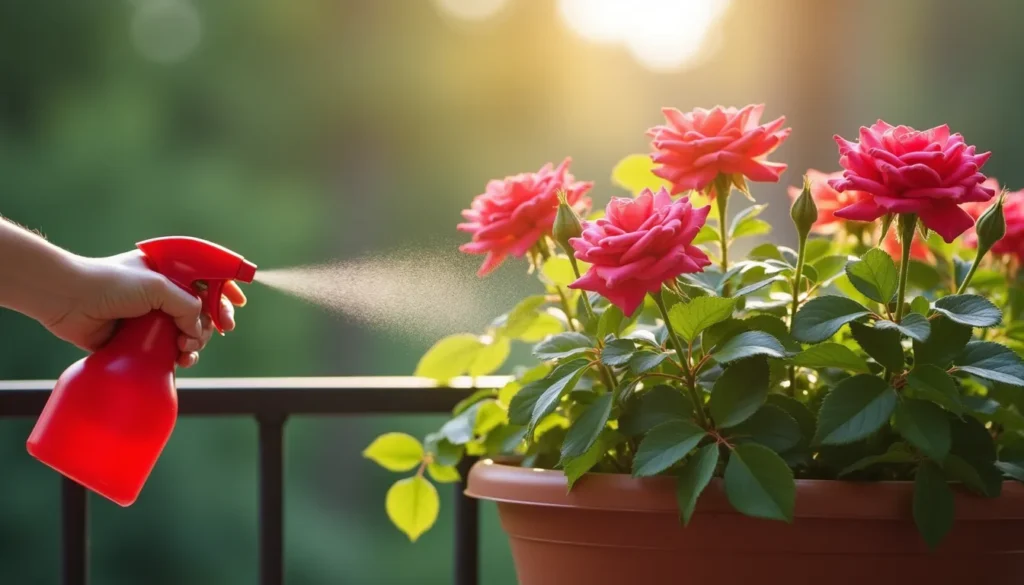
Growing your own garden is one of life’s greatest joys. There’s something magical about planting a tiny seed and watching it transform into a thriving plant that feeds your family or brightens your home. Whether you’re completely new to gardening or looking to switch to organic methods, this guide will walk you through everything you need to know to create a flourishing garden naturally.
Getting Started: Organic Gardening Tips for Beginners
If you’re new to gardening, the thought of starting might feel overwhelming. The good news? Gardening doesn’t have to be complicated, and organic gardening is simply about working with nature instead of against it.
What Makes Gardening “Organic”?
Organic gardening means growing plants without synthetic chemicals, pesticides, or fertilizers. Instead, you’ll use natural methods to feed your soil, protect your plants, and create a healthy ecosystem in your garden. Think of it as being a good friend to the earth while growing amazing food and flowers.
Essential Beginner Gardening Setup Tips
Before you dig in, here’s what you need to get started:
Your Basic Toolkit:
- A sturdy spade or shovel
- Hand trowel for smaller plants
- Garden gloves to protect your hands
- Watering can or hose with a gentle spray nozzle
- Pruning shears for trimming
- A wheelbarrow or garden cart (helpful but not essential)
Starting Small is Smart: Begin with just a few plants you really want to grow. A small 4×4 foot garden bed or even a few containers on your patio is perfect for learning. You can always expand next season once you’ve got the hang of things.
Building Healthy Soil: The Foundation of Organic Gardening
In organic gardening, we have a saying: “Feed the soil, not the plant.” Healthy soil creates healthy plants that can naturally resist pests and diseases.
Gardening Soil Tips That Make All the Difference
Your soil is alive with billions of helpful microorganisms, earthworms, and nutrients. Here’s how to keep it thriving:
Test Your Soil First: Before you plant anything, it’s worth knowing what you’re working with. You can buy an inexpensive soil test kit at any garden center. It’ll tell you if your soil is acidic or alkaline and what nutrients it might be missing.
Composting is Your Secret Weapon: Compost is like superfood for your garden. You can make it from kitchen scraps (vegetable peels, coffee grounds, eggshells) and yard waste (grass clippings, fallen leaves). Mix these materials in a pile or bin, keep it moist, and in a few months you’ll have rich, dark compost that transforms your soil.
Add Organic Matter Regularly: Each season, work compost, aged manure, or leaf mold into your garden beds. This improves drainage in heavy clay soils and helps sandy soils hold moisture better.
Gardening Tips with Nitrogen for Healthier Plants
Nitrogen is essential for leafy green growth, but you don’t need chemical fertilizers. Here are natural nitrogen sources:
- Coffee grounds mixed into soil
- Grass clippings used as mulch
- Composted manure
- Planting nitrogen-fixing cover crops like clover or peas
- Fish emulsion (a liquid fertilizer made from fish waste)
Epsom Salt for Plants: A Gardening Tip That Actually Works
Epsom salt isn’t just for relaxing baths. It’s actually magnesium sulfate, which helps plants produce more flowers and fruit, develop deeper green leaves, and grow stronger roots.
How to Use Epsom Salt in Your Garden:
- Mix 1 tablespoon of Epsom salt per gallon of water
- Water your plants with this mixture once a month
- Especially beneficial for tomatoes, peppers, and roses
For roses, sprinkle half a cup of Epsom salt around the base of each plant in spring and again when they start blooming.
Vegetable Gardening Tips and Tricks
Growing your own vegetables is incredibly rewarding. There’s no comparison between a sun-warmed tomato picked from your garden and one from the grocery store.
Best Gardening Tips for Vegetables
Start with Easy Winners: These vegetables are forgiving and perfect for beginners:
- Lettuce and salad greens
- Radishes (ready in just 30 days!)
- Zucchini and summer squash
- Bush beans
- Cherry tomatoes
Companion Planting Magic: Some plants help each other grow better when planted together:
| Plant This | Next to This | Why It Works |
|---|---|---|
| Tomatoes | Basil | Basil repels pests and may improve tomato flavor |
| Carrots | Onions | Onions deter carrot flies |
| Lettuce | Radishes | Radishes mature quickly and mark the row |
| Cucumbers | Nasturtiums | Nasturtiums repel aphids and cucumber beetles |
| Beans | Corn | Beans add nitrogen that corn needs |
Tomato Gardening Tips for Bumper Crops
Tomatoes are America’s favorite homegrown vegetable. Here’s how to grow them successfully:
- Plant Deep: Bury tomato seedlings deeper than they were in the pot, even up to the first set of leaves. They’ll grow roots all along the buried stem, making stronger plants.
- Support is Essential: Use cages or stakes from the beginning. Tomatoes left to sprawl on the ground are more likely to get diseases.
- Water Consistently: Irregular watering causes problems like blossom end rot and cracking. Water deeply 2-3 times per week rather than a little bit daily.
- Mulch Around Plants: A 2-3 inch layer of straw or shredded leaves keeps soil moist, prevents weeds, and stops soil-borne diseases from splashing onto leaves.
- Remove Bottom Leaves: Once plants are established, remove leaves from the bottom 6-8 inches of stem. This improves air circulation and prevents disease.
Eggplant Gardening Tips
Eggplants love heat and need a long growing season. Here’s how to succeed:
- Start seeds indoors 8-10 weeks before your last frost date
- Wait until soil is thoroughly warm before transplanting (at least 60°F)
- Black plastic mulch warms the soil and prevents weeds
- Eggplants need consistent moisture; don’t let them dry out
- Harvest when fruits are glossy and firm; dull skin means they’re overripe
Flower Gardening Tips for Colorful Blooms
Flowers make everything better. They attract pollinators to help your vegetables, provide beauty, and give you bouquets all summer long.
Rose Care Tips: Growing These Classic Beauties Organically
Roses have a reputation for being fussy, but many varieties are actually quite easy if you follow these tips:
Choosing the Right Roses:
- Shrub roses and landscape roses are more disease-resistant
- Look for varieties labeled “disease-resistant” or “low-maintenance”
- Knock Out roses are nearly foolproof for beginners
Roses Care Tips for Thriving Plants:
- Location Matters: Roses need at least 6 hours of direct sunlight and good air circulation
- Water at the Base: Always water the soil, not the leaves, to prevent fungal diseases
- Feed Monthly: Use compost tea or organic rose fertilizer during the growing season
- Deadhead Regularly: Remove spent blooms to encourage more flowers
- Mulch Well: Keep roots cool and moist with 2-3 inches of organic mulch
Dealing with Rose Problems Naturally:
- For aphids: Spray with water or use insecticidal soap
- For black spot: Remove affected leaves and ensure good air circulation
- For Japanese beetles: Hand-pick them in early morning when they’re sluggish
Seasonal Gardening Tips Throughout the Year
Spring Gardening Tips
Spring is when gardens wake up and there’s so much to do:
- Clean up winter debris and add it to your compost pile
- Test and amend your soil before planting
- Start cool-season crops like peas, lettuce, and spinach as soon as soil can be worked
- Divide perennials that have gotten too large
- Apply fresh mulch around established plants
- Start seeds indoors for warm-season crops
Gardening Tips for Summer Days
Summer brings heat and the busiest time in the garden:
- Water deeply in early morning to reduce evaporation
- Apply mulch to keep roots cool and conserve moisture
- Harvest vegetables regularly to encourage more production
- Deadhead flowers to promote continuous blooming
- Watch for pests and address problems while they’re small
- Plant succession crops of lettuce and beans every two weeks
Gardening Tips for Winter Days
Winter doesn’t mean your garden has to sleep entirely:
- In mild climates, grow cool-season vegetables like kale, broccoli, and cabbage
- Protect tender plants with frost cloth during cold snaps
- Plan next year’s garden and order seed catalogs
- Clean and sharpen tools so they’re ready for spring
- Build or repair raised beds and trellises
- Start amaryllis or paperwhites indoors for winter blooms
Space-Saving Gardening Solutions
You don’t need acres to have a productive garden. Even the smallest spaces can yield impressive harvests.
Beginner-Friendly Balcony Gardening Tips
Container gardening is perfect for balconies, patios, and porches:
Choosing Containers:
- Use pots at least 12 inches deep for most vegetables
- Ensure containers have drainage holes
- Bigger is generally better; soil in small pots dries out quickly
Best Plants for Containers:
- Herbs like basil, parsley, and cilantro
- Salad greens and spinach
- Cherry tomatoes (choose determinate varieties)
- Peppers
- Strawberries
- Dwarf varieties of almost any vegetable
Container Success Secrets:
- Use quality potting mix, not garden soil
- Container plants need more frequent watering
- Fertilize every 2-3 weeks since nutrients wash out with watering
Small Space Indoor Gardening Tips
You can garden year-round inside your home:
Simple Indoor Gardening Tips:
- Start with easy herbs like basil, mint, and chives
- Choose a sunny south-facing window or use grow lights
- Rotate plants regularly so all sides get equal light
- Watch for pests like fungus gnats; let soil dry between waterings
Small Space Indoor Gardening Tips for Maximum Production:
Set up a vertical herb garden on a wall or shelf to maximize space. Use hanging planters for trailing plants like strawberries or cherry tomatoes. A small indoor greenhouse unit with built-in lights can extend your growing season indefinitely.
Small Backyard Gardening Tips
Even a modest backyard can be incredibly productive:
- Use vertical space with trellises for beans, peas, cucumbers, and small melons
- Grow in raised beds to maximize planting area and improve soil
- Try square-foot gardening methods to fit more plants in less space
- Use corners and edges for permanent plantings like herbs and perennials
- Container gardens can supplement in-ground beds
Gardening Tips for Leafy Plants
Leafy greens are some of the easiest and most productive crops you can grow:
Best Practices for Lettuce, Kale, Spinach, and Chard:
- Plant in partial shade during hot months
- Keep soil consistently moist; leafy greens get bitter if stressed
- Harvest outer leaves and let the center keep growing
- Succession plant every 2-3 weeks for continuous harvest
- Use floating row covers to protect from pests
Rich, Nitrogen-Filled Soil is Key: Leafy plants need plenty of nitrogen for lush growth. Top-dress with compost monthly and water with compost tea for the best results.
Gardening Seedling Tips for Strong Starts
Whether you start seeds indoors or buy seedlings, proper care early on makes all the difference:
Starting Seeds Indoors:
- Start 6-8 weeks before your last frost date
- Use clean containers and sterile seed-starting mix
- Keep soil consistently moist but not soggy
- Provide light immediately when seeds sprout
- Use a small fan to strengthen seedlings
Hardening Off is Crucial: Before transplanting seedlings outdoors, gradually expose them to outdoor conditions over 7-10 days. Start with an hour in shade, then gradually increase time and sun exposure.
Transplanting Success:
- Water seedlings well before transplanting
- Transplant on a cloudy day or in evening to reduce stress
- Dig holes larger than the root ball
- Water immediately after planting
- Protect from wind and harsh sun for the first few days
Gardening Tips for Tree Planting
Adding trees to your landscape is an investment in the future:
When to Plant: Fall is ideal for most trees because they can establish roots before spring growth begins. Spring is the second-best time.
Planting Steps:
- Dig a hole twice as wide as the root ball but no deeper
- Loosen soil on the sides of the hole
- Place tree at the same depth it was growing in the nursery
- Backfill with native soil (don’t add amendments)
- Create a watering basin around the tree
- Water deeply and mulch around the base
First Year Care: Young trees need regular watering their first year. Water deeply once a week rather than frequent shallow watering. Avoid fertilizing the first year; let the tree focus on root development.
Specialty Gardening: Beyond the Basics
Exotic Fruit Gardening Tips
Growing unusual fruits can be exciting and delicious:
Passion Fruit: Needs a trellis, full sun, and protection from frost. In cooler climates, grow in large containers and bring indoors for winter.
Dragon Fruit: A cactus that produces stunning pink fruit. Needs strong support, excellent drainage, and warmth.
Figs: More cold-hardy than you’d think. Choose varieties suited to your zone. Container growing works well; move indoors during winter.
Key to Success: Research each plant’s specific needs before purchasing. Many exotic fruits need particular pollination methods or specific growing conditions.
Gardening Tips for Unusual Plants
Experimenting with unique plants keeps gardening exciting:
- Kohlrabi: This weird-looking vegetable tastes like a mild, sweet broccoli stem. Grow like cabbage in cool weather.
- Romanesco: Beautiful fractal-patterned vegetable that’s a cross between broccoli and cauliflower.
- Purple Carrots: Actually the original color of carrots! Grow exactly like orange varieties.
- Ground Cherries: Small, sweet fruits in papery husks. Grow like tomatoes.
Zone 10a Gardening Tips
If you garden in zone 10a (areas with winter lows of 30-35°F), you have nearly year-round growing potential:
Advantages:
- Grow tropical and subtropical plants
- Year-round vegetable production is possible
- Many plants never go fully dormant
Challenges:
- Summer heat can stress plants
- Fewer natural pest controls from winter freezes
- Some vegetables need artificial “chilling” to produce
Best Practices for Zone 10a:
- Grow cool-season crops during “winter” (November through February)
- Provide afternoon shade for many vegetables during summer
- Use shade cloth during the hottest months
- Select heat-tolerant varieties
- Focus on tropical fruits like citrus, papaya, and banana
Weather-Specific Gardening Tips
Gardening Tips for Rainy Days
Too much rain can cause problems, but there are solutions:
- Improve drainage by adding compost and creating raised beds
- Use mulch to prevent soil from splashing onto plants
- Delay fertilizing until drier weather (rain washes nutrients away)
- Watch for fungal diseases and remove affected leaves promptly
- Collect rainwater in barrels for use during dry periods
Eco-Friendly Urban Gardening Tips
Urban gardening often means working with limited space and resources:
Sustainable Urban Practices:
- Compost kitchen scraps in a small bin or worm composter
- Collect water from dehumidifiers and air conditioners for watering
- Use recycled containers for planters
- Choose native plants that need less water and care
- Plant pollinator-friendly flowers on balconies and rooftops
- Join or start a community garden
Dealing with Urban Challenges:
- Test soil for contamination before planting edibles
- Use raised beds with fresh soil if testing shows problems
- Install trellises for vertical growing
- Use containers that can be moved to follow the sun
Protecting Your Garden Naturally
Gardening Tips for Termite Prevention
Termites near your garden can eventually threaten your home:
- Keep mulch at least 6 inches away from your home’s foundation
- Don’t stack firewood against the house
- Fix any moisture problems; termites need water
- Remove dead stumps and roots from your yard
- Use naturally termite-resistant mulches like cedar
- Regularly inspect wooden garden structures
Home Gardening Spray Tips
Make your own organic pest controls:
Basic Insecticidal Soap:
- Mix 2 tablespoons liquid castile soap in 1 quart water
- Spray directly on soft-bodied pests like aphids
- Reapply every few days until pests are gone
Garlic Spray for General Pests:
- Blend 1 whole bulb of garlic with 2 cups water
- Strain and add 1 teaspoon liquid soap
- Dilute with 1 gallon water and spray on plants
Neem Oil for Fungus and Insects:
- Mix according to package directions
- Spray in early morning or evening (never in full sun)
- Effective against many pests and fungal diseases
Special Considerations: Gardening with Kids
Beginner Gardening Tips for Kids
Getting children involved in gardening teaches patience, responsibility, and where food comes from:
Choose Kid-Friendly Plants:
- Sunflowers (dramatic and easy)
- Radishes (quick results)
- Cherry tomatoes (fun to pick and eat)
- Pumpkins (exciting to watch grow)
- Strawberries (sweet rewards)
- Beans (germinate quickly)
Making It Fun:
- Give kids their own small plot or containers
- Let them choose some plants to grow
- Use colorful markers or painted rocks to label plants
- Create a “pizza garden” with tomatoes, basil, and peppers
- Make it tactile with fuzzy lamb’s ear or fragrant herbs
- Celebrate harvests with special meals using their vegetables
Safety First:
- Teach proper tool use and safety
- Supervise around sharp tools and garden chemicals
- Ensure kids know which plants are safe to eat
- Make sure they wash hands after gardening
Quick Reference: Your Monthly Organic Gardening Checklist
| Month | Key Tasks |
|---|---|
| January | Plan garden, order seeds, start some seeds indoors |
| February | Start more seeds indoors, prune dormant trees and shrubs |
| March | Prepare beds, direct sow cool-season crops, transplant hardened seedlings |
| April | Plant warm-season crops, mulch, watch for pests |
| May | Continue planting, weed regularly, begin harvesting |
| June | Water consistently, harvest early crops, succession plant |
| July | Maintain garden, harvest regularly, manage heat stress |
| August | Start fall crops, keep up with harvesting |
| September | Plant garlic and fall vegetables, save seeds |
| October | Harvest frost-sensitive crops, plant spring bulbs |
| November | Clean up garden, add compost, plant cover crops |
| December | Rest and plan, care for indoor plants |
Tips and Tricks Every Gardener Should Know
Here are some lesser-known tips that make gardening easier:
- Use Coffee Grounds Wisely: Sprinkle used coffee grounds around acid-loving plants like blueberries, roses, and tomatoes. They add nitrogen and improve soil structure.
- Eggshells for Calcium: Crush eggshells and work them into soil when planting tomatoes and peppers to prevent blossom end rot.
- The Newspaper Trick: Layer newspaper under mulch to suppress weeds. It eventually breaks down and adds organic matter.
- Interplant for Success: Mix quick-maturing crops like radishes with slower ones like carrots. You’ll harvest the radishes before they crowd the carrots.
- Save Your Pasta Water: Cooled, unsalted pasta or vegetable cooking water contains nutrients. Use it to water plants.
- Banana Peel Fertilizer: Bury banana peels near roses and tomatoes for a potassium boost that promotes flowering and fruiting.
- The Pinch Test for Watering: Stick your finger 2 inches into the soil. If it’s dry at that depth, it’s time to water.
- Harvest in the Morning: Vegetables and herbs have the most flavor and highest water content in the morning after the cool night.
Common Mistakes to Avoid
Even experienced gardeners make these errors:
- Planting Too Early: Wait until soil is properly warm and frost danger has passed
- Overcrowding: Give plants the space they need; crowding invites disease
- Overhead Watering: Water the soil, not the leaves, to prevent fungal problems
- Ignoring Soil Health: Great soil is the foundation of great gardens
- Not Mulching: Mulch saves water, suppresses weeds, and feeds soil
- Giving Up Too Soon: Gardening has a learning curve; each season teaches you more
Your Organic Gardening Journey Starts Now
Starting an organic garden is one of the most rewarding things you can do. Yes, there will be challenges along the way. You might lose some plants to pests or weather. You’ll make mistakes and learn from them. But you’ll also experience the incredible satisfaction of growing your own food and flowers naturally.
Remember, every expert gardener was once a beginner who didn’t give up. Start small, be patient with yourself, and celebrate every success, no matter how small. That first tomato you harvest, the bouquet of flowers you cut from your own garden, the salad made entirely from your backyard—these moments make all the effort worthwhile.
Your garden is more than just plants in the ground. It’s a connection to nature, a source of fresh food, a place of beauty, and a teacher of patience and perseverance. Whether you’re growing vegetables on an apartment balcony or tending raised beds in your backyard, you’re part of a timeless tradition of working with the earth to create something wonderful.
So grab your gloves, get your hands dirty, and enjoy the journey. Your organic garden adventure starts today, and there’s no better time to begin than right now. Happy gardening!


Welcome to MithilaConnect, where we curate the art of living, celebrating the vibrant tapestry of life through culture, fashion, food, and everything in between.