


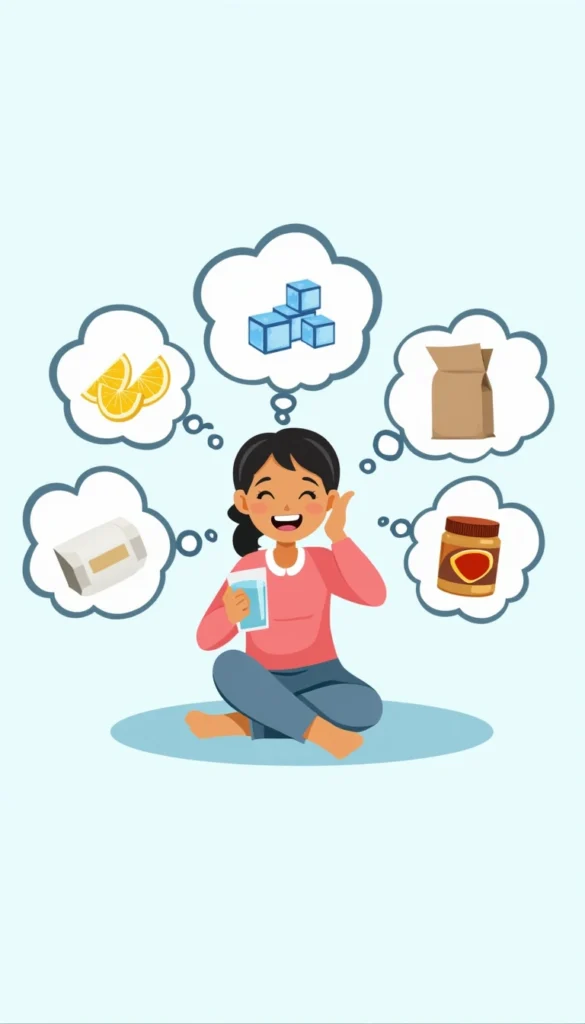
Learning how to get rid of hiccups quickly can save you from embarrassing moments and uncomfortable spasms. These sudden diaphragm contractions catch you off guard at the worst times. They strike during important meetings, romantic dinners, or quiet library sessions.
Fortunately, simple techniques can stop them fast. Hiccups happen when your diaphragm muscle suddenly contracts. This creates that distinctive “hic” sound you know so well. Most hiccups go away on their own within minutes, but some methods can speed up the process significantly.
1. Hold Your Breath for 10-15 Seconds
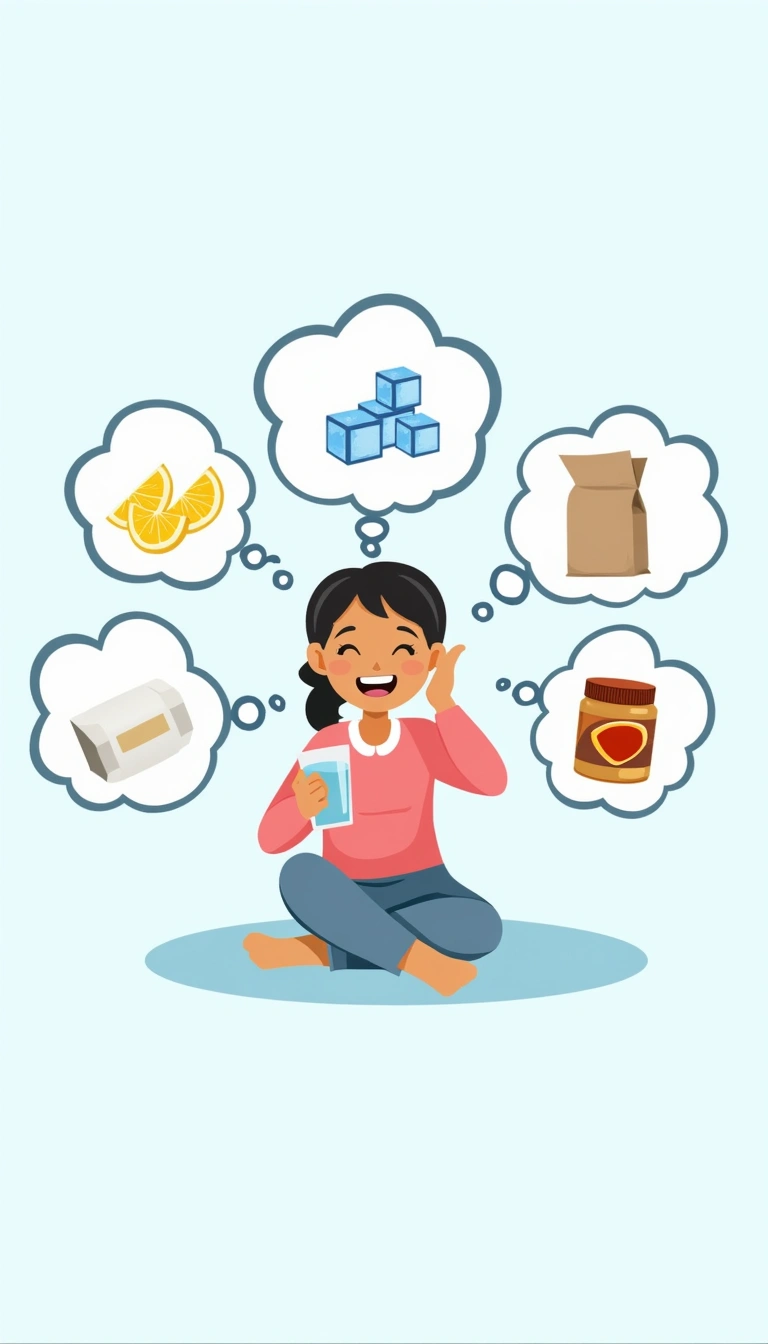

Holding your breath increases carbon dioxide levels in your blood. This change helps reset your diaphragm’s rhythm and stops the spasms. The technique works by interrupting the hiccup cycle naturally.
Take a deep breath and hold it as long as you comfortably can. Count slowly to 15 if possible, then exhale slowly through your mouth. You can repeat this process 2-3 times if needed.
Your takeaway: Deep breathing exercises give you control over your diaphragm muscle.
2. Drink Cold Water Quickly
Cold water shocks your vagus nerve, which controls hiccups. The sudden temperature change interrupts the hiccup reflex immediately. This method works especially well for stress-related hiccups. Fill a glass with ice-cold water and drink it as fast as you safely can. Some people find that drinking through a straw makes this technique even more effective. The key is drinking quickly without stopping.
Tip: Keep a water bottle in your fridge for hiccup emergencies.
3. Swallow a Teaspoon of Sugar
Sugar granules stimulate nerve endings in your mouth and throat. This stimulation sends new signals to your brain that override hiccup messages. The sweet taste also triggers saliva production, which helps reset your swallowing reflex.
Place one teaspoon of white sugar on your tongue. Let it dissolve slowly for about 10 seconds, then swallow. The grainy texture provides extra nerve stimulation that many people find helpful.
Your takeaway: Sugar works by overwhelming your nervous system with new sensations.
4. Try the Paper Towel Water Trick
Drinking water through a paper towel creates resistance that forces deeper breathing. This technique combines the benefits of cold water with controlled breathing. The extra effort required helps reset your diaphragm rhythm.
Place a single paper towel over a glass of water. Drink the water slowly through the paper towel barrier. The resistance makes you work harder to get the water, which naturally deepens your breathing pattern.
Tip: Use a thin paper towel for best results – thick ones make drinking too difficult.
5. Gargle with Ice Water
Gargling stimulates your vagus nerve while the cold temperature provides shock therapy. This double action makes gargling one of the most effective hiccup remedies. The vibrations also massage throat muscles that connect to your diaphragm.
Fill your mouth with very cold water and gargle for 30 seconds. Make sure the water reaches the back of your throat where the vagus nerve is most sensitive. Spit out the water and repeat if necessary.
Your takeaway: Gargling combines temperature shock with nerve stimulation for maximum effectiveness.
6. Eat a Spoonful of Peanut Butter
Peanut butter’s thick, sticky texture forces you to swallow carefully and breathe differently. This change in swallowing pattern interrupts hiccup cycles effectively. The protein and fat content also help stabilize your digestive system.
Take one tablespoon of creamy peanut butter and eat it slowly. Don’t drink anything while swallowing – let the thick texture do its work. The chewing and careful swallowing process naturally resets your breathing rhythm.
Tip: Smooth peanut butter works better than crunchy for this technique.
7. Pull Your Knees to Your Chest
This position compresses your diaphragm and changes your breathing pattern. The physical compression helps stop diaphragm spasms directly. It also increases pressure in your chest cavity, which can reset the hiccup reflex. ‘
Sit in a comfortable chair and pull both knees up to your chest. Hold this position for 20-30 seconds while breathing normally. You can also try this lying down on your back for a different angle of compression.
Your takeaway: Physical positioning gives you direct control over your diaphragm muscle.
8. Breathe Into a Paper Bag
Breathing into a paper bag increases carbon dioxide levels in your system. Higher CO2 levels help relax your diaphragm muscle naturally. This method works similarly to holding your breath but allows for longer treatment.
Hold a small paper bag tightly around your mouth and nose. Breathe in and out slowly for about one minute. Make sure the bag inflates and deflates with each breath to ensure proper CO2 buildup.
Tip: Never use plastic bags – only paper bags are safe for this technique.
9. Press on Your Diaphragm
Direct pressure on your diaphragm can stop spasms immediately. This hands-on approach works by manually interrupting the muscle contractions. The technique is especially effective for stubborn hiccups that won’t respond to other methods.
Place your hand just below your ribcage in the center of your chest. Press firmly upward while taking slow, deep breaths. Hold the pressure for 10-15 seconds, then release and breathe normally.
Your takeaway: Manual pressure gives you direct physical control over hiccup spasms.
10. Suck on Ice Cubes
Ice cubes provide prolonged cold stimulation to your vagus nerve. The gradual melting creates sustained temperature therapy that’s gentler than drinking cold water quickly. This method also keeps your mouth and throat busy with swallowing actions.
Place 2-3 small ice cubes in your mouth and let them melt slowly. Swallow the cold water as the ice melts, but don’t crunch the cubes. The gradual cold exposure provides steady nerve stimulation.
Tip: Small ice cubes work better than large ones – they’re easier to manage safely.
11. Try the Pickle Juice Method
Pickle juice contains vinegar and salt that stimulate taste receptors strongly. This intense flavor combination sends powerful signals to your brain that can override hiccup messages. The sour taste also triggers increased saliva production.
Take one tablespoon of pickle juice and hold it in your mouth for 5 seconds. Swallow it slowly, focusing on the intense sour taste. The strong flavor shock often stops hiccups within seconds.
Your takeaway: Intense flavors can shock your nervous system out of hiccup patterns.
12. Use the Finger-in-Ears Technique
Putting your fingers in your ears stimulates branches of the vagus nerve. This nerve stimulation can interrupt the hiccup reflex quickly. The technique works by sending competing signals to your brain through the ear canal.
Gently insert your index fingers into both ears simultaneously. Press lightly for 20-30 seconds while breathing normally. You might feel slight pressure, but don’t push too hard or too deep.
Tip: Clean hands are essential – wash them before trying this method.
13. Swallow While Holding Your Breath
This technique combines two effective methods for double the impact. Swallowing while breath-holding creates complex muscle coordination that resets your diaphragm. The combination is more powerful than either method alone.
Take a deep breath and hold it, then try to swallow your saliva three times. This coordination challenge forces your body to focus on the complex task instead of hiccupping. Release your breath slowly after the third swallow.
Your takeaway: Combining techniques often works better than single methods alone.
14. Drink Water from the Far Side of a Glass
This unusual drinking position forces you to bend forward and swallow differently. The awkward angle changes pressure in your chest and abdomen significantly. This position also requires focused concentration that can interrupt hiccup cycles.
Bend forward at the waist and drink water from the far edge of a glass. You’ll need to tip the glass toward you while your head is down. This creates an unusual swallowing angle that many people find effective.
Tip: Use a shallow glass to make this technique easier and safer.
15. Bite on a Lemon Wedge
The extremely sour taste of lemon provides intense sensory stimulation. This strong flavor shock can reset your nervous system quickly. Lemon also stimulates saliva production and changes your swallowing pattern naturally.
Cut a fresh lemon wedge and bite into it slowly. Focus on the intense sour taste for 10-15 seconds before swallowing. Some people add a pinch of salt to the lemon for even stronger taste stimulation.
Your takeaway: Natural citrus acids provide powerful sensory interruption for hiccup cycles.
16. Massage Your Carotid Artery
Gentle massage of your carotid artery can stimulate the vagus nerve effectively. This nerve stimulation helps reset the signals that cause hiccups. The massage technique is safe when done gently and briefly.
Locate your pulse on the side of your neck, just below your jawline. Gently massage this area in small circles for 10-15 seconds. Use light pressure – you should feel your pulse but not press hard enough to restrict blood flow.
Tip: Always use gentle pressure and stop if you feel dizzy or uncomfortable.
17. Try Controlled Coughing
Deliberate coughing creates sudden pressure changes in your chest cavity. These pressure changes can interrupt diaphragm spasms effectively. Coughing also engages your diaphragm muscle in a different way than hiccupping.
Take a moderately deep breath and cough forcefully 2-3 times in a row. Focus on making each cough deliberate and controlled rather than gentle throat clearing. The sudden pressure changes often stop hiccups immediately.
Your takeaway: Controlled coughing gives you active control over chest pressure and diaphragm function.
Most hiccups respond quickly to these simple techniques, so you’ll rarely need to suffer through them. Try different methods to find what works best for your body, and remember that persistence often pays off. With these 17 proven strategies, you’ll be prepared for any hiccup situation that comes your way.


Welcome to MithilaConnect, where we curate the art of living, celebrating the vibrant tapestry of life through culture, fashion, food, and everything in between.