


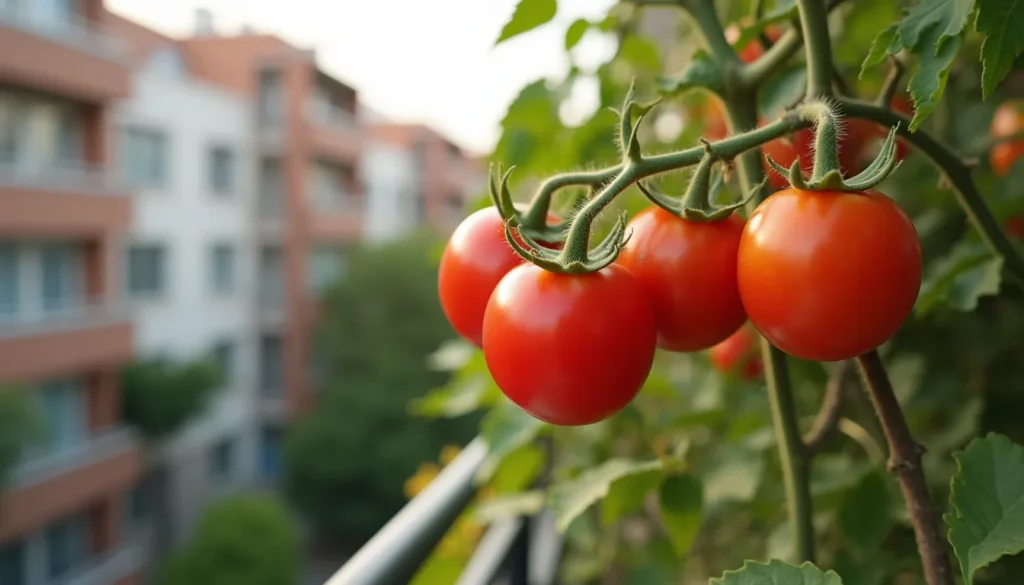
Have you ever walked past a beautiful garden and thought, “I wish I could do that”? Good news—you absolutely can! Gardening isn’t just for people with green thumbs or years of experience. It’s for anyone who wants to grow something beautiful, tasty, or both.
Whether you’re dreaming of fresh tomatoes for your summer salads, colorful flowers to brighten your home, or herbs for your favorite recipes, this guide will help you start your gardening journey with confidence. We’ll cover everything from choosing your first plants to understanding which tools you actually need (spoiler: you don’t need many!).
Why Start Gardening? The Benefits Are Amazing
Before we dig into the how-to, let’s talk about why gardening is worth your time:
- Save money on groceries: Growing your own vegetables and herbs can significantly cut your food bills
- Reduce stress: Research shows that spending time with plants lowers stress hormones and improves mood
- Get gentle exercise: Gardening burns calories and keeps you moving without feeling like a workout
- Eat healthier: When you grow it yourself, you know exactly what went into your food—no mystery pesticides
- Connect with nature: Even a small container garden brings you closer to the natural world
- Boost your home’s beauty: Nothing makes a space feel more welcoming than thriving plants
Understanding the Basics: Gardening 101
Every successful garden starts with understanding a few fundamental concepts. Don’t worry—this isn’t complicated science. Think of these as the building blocks that help plants thrive.
What Plants Actually Need
All plants need five basic things, though different plants need different amounts of each:
Sunlight is like food for plants. Most vegetables and flowers need 6-8 hours of direct sunlight daily. If you have a shadier spot, don’t give up—plenty of plants like lettuce, spinach, and hostas actually prefer less sun.
Water is essential, but more isn’t always better. Overwatering kills more beginner plants than underwatering. The trick is to water deeply but less frequently, encouraging roots to grow strong and deep.
Soil is where the magic happens. Good soil is crumbly, dark, and rich in organic matter. It holds moisture without getting soggy and provides nutrients plants need to grow.
Nutrients come from the soil and fertilizers. Think of them as vitamins for plants. The three main ones are nitrogen (for leafy growth), phosphorus (for roots and flowers), and potassium (for overall health).
Air circulation might seem obvious, but crowded plants get sick more easily. Give your plants room to breathe, and they’ll reward you with healthier growth.
Know Your Growing Zone
The United States is divided into growing zones based on temperature. Your zone tells you which plants will survive in your area and when to plant them. You can find your zone by searching “USDA hardiness zone” plus your zip code. This simple step will save you from buying plants that won’t survive your winters.
Choosing Your Gardening Style: What Fits Your Life?
One of the best things about gardening is that there’s a method perfect for every situation. Let’s explore your options so you can pick what works best for you.
Container Gardening: Perfect for Small Spaces
Container gardening is ideal if you’re working with limited space, renting your home, or just want the flexibility to move your plants around. You can garden on balconies, patios, or even a sunny windowsill.
Why container gardening works for beginners:
- Start small with just one or two pots
- Move plants to catch the sun or escape harsh weather
- Less weeding than traditional gardens
- Easier to control soil quality
- Perfect for renters who can take their garden when they move
Best plants for containers:
- Tomatoes (cherry varieties work great)
- Herbs like basil, parsley, cilantro, and mint
- Lettuce and other salad greens
- Peppers
- Marigolds, petunias, and geraniums
- Strawberries
Container success tips: Choose pots with drainage holes—this is non-negotiable. Use quality potting mix rather than garden soil. Most containers need watering more often than ground gardens, sometimes even daily in hot weather. Group containers together to create humidity and reduce watering frequency.
Raised Bed Gardening: Maximum Results with Minimum Hassle
Raised bed gardening involves building boxes (typically 4 feet by 8 feet and 10-12 inches deep) and filling them with soil. This method has become incredibly popular because it solves many common gardening problems.
Why raised beds are beginner-friendly:
- No bending over as much—easier on your back
- Complete control over soil quality from day one
- Excellent drainage prevents root rot
- Warms up faster in spring for earlier planting
- Keeps garden organized and manageable
- Significantly fewer weeds to pull
Building your first raised bed: You don’t need to be handy with tools. Many hardware stores sell raised bed kits that snap together in minutes. You can also use untreated cedar or pine boards, cinder blocks, or even repurposed materials. Place your bed in a sunny spot, fill it with a mixture of topsoil, compost, and peat moss or coconut coir, and you’re ready to plant.
Indoor Gardening: Grow Year-Round
Indoor gardening extends your growing season indefinitely and brings nature into your living space. It’s perfect for herbs, some vegetables, and ornamental plants.
Succeeding with indoor gardens: Light is your biggest challenge indoors. South-facing windows provide the most light. If natural light is limited, inexpensive LED grow lights solve the problem. Start with herbs like basil, chives, and parsley—they’re forgiving and useful. Microgreens are also fantastic for indoor growing, providing nutritious greens in just 7-14 days.
Best indoor plants for beginners:
- Herbs (basil, mint, parsley, cilantro)
- Cherry tomatoes (with enough light)
- Lettuce and salad greens
- Microgreens
- Green onions (regrow from grocery store scraps!)
Hydroponic Gardening: Soil-Free Growing
Hydroponic gardening might sound futuristic, but it’s surprisingly simple. Plants grow in water enriched with nutrients instead of soil. This method uses less water overall and grows plants faster.
Hydroponic gardening for beginners indoors: Start with a simple countertop hydroponic system (many are available for under $100). These systems grow herbs and lettuce beautifully. You’ll add water and liquid nutrients, ensure adequate light, and watch your plants thrive. The biggest advantage is that you can grow fresh herbs year-round regardless of weather.
Greenhouse Gardening: Extend Your Season
A greenhouse creates a controlled environment that protects plants from cold, wind, and pests. Before you imagine an expensive glass structure, know that small hobby greenhouses are affordable and effective.
Greenhouse gardening for beginners: You can find small greenhouse kits for under $100 that extend your growing season by weeks or even months. Use your greenhouse to start seeds earlier in spring, grow heat-loving plants in cooler climates, or protect tender herbs through mild winters. Even a cold frame (essentially a bottomless box with a clear lid) works wonders for season extension.
Vegetable Gardening for Beginners: Growing Your Own Food
There’s something magical about eating food you grew yourself. Vegetable gardening is easier than you think if you start with the right plants.
The Easiest Vegetables to Grow
Some vegetables practically grow themselves. Start with these foolproof options:
Lettuce and Salad Greens are perfect for beginners. They grow quickly (ready in 30-45 days), tolerate cooler weather, and you can harvest outer leaves while the plant keeps producing. Plant them in spring or fall, and enjoy fresh salads for weeks.
Tomatoes are America’s favorite homegrown vegetable for good reason. Cherry tomato varieties are especially reliable. Plant them after your last frost date, give them a cage or stake for support, and water consistently. You’ll have tomatoes all summer.
Zucchini and Summer Squash grow so vigorously that the joke among gardeners is that you’ll have more than you know what to do with. One or two plants provide plenty for most families. They need space (about 3 feet per plant) and consistent water.
Radishes are the instant gratification of the vegetable world. From seed to harvest takes only 25-30 days. Kids love growing radishes because they see results fast.
Green Beans (bush varieties) are simple and productive. They don’t need support structures, grow well in most conditions, and produce beans continuously if you keep picking them.
Herbs technically aren’t vegetables, but they’re essential for any kitchen garden. Basil, cilantro, parsley, and chives are all easy and save you money at the grocery store.
Vegetables That Need Extra Care
As you gain confidence, you can try these slightly more challenging vegetables:
Peppers (bell and hot varieties) need warm soil and consistent moisture. Start them indoors 8-10 weeks before your last frost or buy transplants. They’re slow but rewarding.
Carrots need loose, deep soil without rocks that can cause forked roots. They take 70-80 days to mature. Patience is key with carrots.
Corn needs space and lots of it. Plant it in blocks rather than rows for proper pollination. It’s a summer staple but requires commitment.
Peas love cool weather and need something to climb. Plant them early in spring for a late spring harvest. Pea gardening tips for beginners: the soil should be 45°F or warmer, and they need support like a trellis or fence.
Month-by-Month Vegetable Gardening Tips
Spring (March-May): Start seeds indoors 6-8 weeks before your last frost. Plant cool-season crops like lettuce, peas, and radishes as soon as soil can be worked. Wait until soil warms to 60°F for warm-season crops like tomatoes and peppers.
Summer (June-August): Harvest regularly to encourage more production. Water deeply in the morning. Plant succession crops of beans and lettuce every 2 weeks for continuous harvest. Watch for pests and address problems early.
Fall (September-November): Fall gardening tips for beginners include planting another round of cool-season crops 8-10 weeks before your first frost. These often taste better than spring crops because of cooler temperatures. Extend harvests with row covers or cold frames.
Winter: In most areas, focus on planning next year’s garden. In warm climates like southern Florida, winter is prime vegetable growing season.
Flower Gardening for Beginners: Adding Color to Your World
Flowers bring joy, attract beneficial insects, and make your garden feel complete. Flower gardening for beginners starts with understanding annuals versus perennials.
Annuals vs. Perennials: What’s the Difference?
Annuals live for one growing season. They bloom prolifically all season but die with the first frost. You’ll replant them each year. Examples include marigolds, zinnias, petunias, and impatiens.
Perennials come back year after year. They often bloom for shorter periods but require less replanting. Examples include coneflowers, black-eyed Susans, daylilies, and hostas.
For beginners, a mix of both provides continuous color without overwhelming maintenance.
The Easiest Flowers to Grow
Marigolds are the workhorse of beginner flower gardening. They thrive in full sun, tolerate poor soil, bloom all summer, and their scent deters some pests. Direct seed them in your garden or start with transplants.
Zinnias come in every color imaginable and bloom from summer through frost. They’re perfect for cutting. Plant seeds directly in the garden after frost danger passes.
Sunflowers make everyone smile. They’re ridiculously easy—plant seeds in spring, give them sun, and watch them reach for the sky. Varieties range from 2 feet to over 10 feet tall.
Petunias overflow from containers and hanging baskets with flowers all season. They need deadheading (removing spent blooms) to look their best.
Pansies provide cool-season color in spring and fall. Their cheerful “faces” brighten any garden.
Creating a Simple Flower Garden
Start with a small bed (4 feet by 6 feet is perfect). Choose 3-5 different plants with varying heights:
- Tall plants (18-36 inches) go in the back: sunflowers, tall zinnias, or salvias
- Medium plants (12-18 inches) fill the middle: marigolds, petunias, or cosmos
- Short plants (6-12 inches) edge the front: alyssum, lobelia, or pansies
Plant in groups of 3-5 of each type rather than single plants. This creates more visual impact. Add a layer of mulch between plants to suppress weeds and retain moisture.
Herb Gardening: Fresh Flavors at Your Fingertips
Herbs might be the best starting point for gardening beginners. They’re forgiving, useful, and most grow beautifully in containers.
The Essential Beginner Herb Garden
Basil is a summer superstar. It loves heat and sun, grows quickly, and transforms any tomato dish. Pinch off the top regularly to keep it bushy and prevent flowering.
Parsley (both flat-leaf and curly) grows in sun or partial shade and adds fresh flavor to countless dishes. It’s technically a biennial but usually grown as an annual.
Cilantro grows best in cool weather. Plant it in spring and fall, and go ahead and plant a lot—it tends to bolt (go to seed) quickly in heat.
Chives are a perennial herb with a mild onion flavor. They’re nearly indestructible and produce pretty purple flowers that are also edible.
Mint grows so enthusiastically that it’s considered invasive. Always grow mint in containers to keep it from taking over. Use it in teas, cocktails, and desserts.
Rosemary is a woody perennial herb in warm climates and an annual in cold areas. It needs excellent drainage and full sun.
Oregano and thyme are perennial herbs that need minimal care once established. Both prefer slightly drier conditions.
Herb Container Garden Setup
Fill a large container (at least 12 inches across and deep) with quality potting mix. Plant 2-3 compatible herbs together. Good combinations include:
- Basil, parsley, and chives
- Oregano, thyme, and rosemary
- Mint alone (it doesn’t play well with others)
Place your container where it gets 6+ hours of sun. Water when the top inch of soil feels dry. Harvest regularly—the more you cut, the bushier your herbs grow.
Organic Gardening for Beginners: Growing Naturally
Organic gardening means growing without synthetic fertilizers and pesticides. It’s healthier for you, your family, and the environment.
Building Healthy Soil Organically
Healthy soil is the foundation of organic gardening. Add compost regularly—it’s nature’s perfect fertilizer. Compost improves soil structure, adds nutrients, and helps soil retain moisture.
You can make your own compost from kitchen scraps (fruit and vegetable peels, coffee grounds, eggshells) and yard waste (leaves, grass clippings, small twigs). Or purchase compost from garden centers.
Other organic soil amendments include aged manure, worm castings, and leaf mold. These all add nutrients and improve soil structure.
Natural Pest Control
Prevent pest problems before they start with these strategies:
- Choose disease-resistant plant varieties
- Rotate crops each year to confuse pests
- Encourage beneficial insects by planting flowers among vegetables
- Inspect plants regularly to catch problems early
- Handpick larger pests like beetles and caterpillars
- Use row covers to physically block pests from reaching plants
- Spray serious infestations with organic options like neem oil or insecticidal soap
Natural Fertilizers
Feed your plants with organic options:
- Compost provides slow-release nutrients
- Fish emulsion gives a quick nitrogen boost
- Bone meal adds phosphorus for flowers and roots
- Kelp meal provides trace minerals and potassium
Essential Tools and Supplies: What You Actually Need
You don’t need a shed full of tools to start gardening. Here are the gardening essentials for beginners:
The Basic Tool Kit
| Tool | Why You Need It | Approximate Cost |
|---|---|---|
| Garden trowel | Digging, planting, transplanting | $8-15 |
| Hand pruners | Trimming, deadheading, harvesting | $10-25 |
| Garden gloves | Protect your hands from thorns and dirt | $5-15 |
| Watering can or hose | Obviously, for watering | $10-30 |
| Garden fork or cultivator | Loosening soil, mixing in compost | $10-20 |
| Wheelbarrow or garden cart | Moving soil, compost, plants | $40-80 (optional first year) |
Efficient Gardening Tools for Beginners
As you expand your garden, consider these efficient tools that save time and energy:
- Hori-Hori knife: A Japanese weeding tool that does the job of several tools
- Soaker hose: Waters plant roots directly, reducing waste
- Kneeling pad: Saves your knees during planting and weeding
- Garden scissors: Easier on your hands than pruners for light tasks
What You Don’t Need (Yet)
Avoid buying these until you know you need them:
- Tillers (most small gardens don’t need one)
- Specialty tools for specific tasks you may never do
- Expensive garden furniture and décor
- High-tech gadgets marketed to beginners
Gardening in Special Climates: Florida and Other Unique Regions
Gardening in Florida for Beginners
Florida’s subtropical climate is very different from the rest of the country. The growing seasons are reversed, with winter being prime planting time for many vegetables.
Florida gardening tips:
- Plant tomatoes, peppers, and other warm-season crops in fall for winter harvest
- Summer is for sweet potatoes, southern peas, and heat-tolerant herbs
- Raised beds with excellent drainage are essential in rainy summer months
- Mulch heavily to retain moisture and keep roots cool
- Choose disease-resistant varieties bred for humidity
- Learn about your specific region—north Florida differs dramatically from south Florida
Best plants for Florida beginners: Tomatoes (winter), herbs (year-round), peppers (fall through spring), tropical fruits like papayas and bananas, and heat-loving flowers like pentas, lantana, and plumbago.
Creative Gardening Ideas and Gardening Hacks
Space-Saving Creative Gardening Ideas for Beginners
Even tiny spaces can be productive with creative thinking:
Vertical gardening uses walls, trellises, or towers to grow upward instead of outward. Perfect for cucumbers, beans, peas, and small-fruited tomatoes.
Hanging baskets aren’t just for flowers. Grow cherry tomatoes, strawberries, or trailing herbs in hanging containers.
Stacking containers creates tiers of growing space on balconies or patios. Just ensure each level gets adequate light.
Window boxes transform windowsills into productive herb or lettuce gardens.
Money-Saving Gardening Hacks for Beginners
Use household items as containers: Yogurt cups, egg cartons, and plastic bottles make excellent seed-starting containers. Coffee cans, old colanders, and plastic storage bins work as planters (just add drainage holes).
Grow from scraps: Regrow green onions, lettuce, celery, and herbs from grocery store scraps in water or soil.
Make your own seed-starting mix: Combine equal parts peat moss (or coconut coir), vermiculite, and perlite. It’s cheaper than buying pre-mixed.
Collect rainwater: Place barrels under downspouts to capture free water for your garden.
Share seeds and plants: Join local gardening groups or plant swaps to exchange seeds and divide perennials with other gardeners.
Use companion planting: Plant marigolds with tomatoes to deter pests, basil near tomatoes to improve flavor, and lettuce under taller plants for shade—no additional space needed.
Specialty Gardens for Beginners
Easy Succulent Gardening for Beginners
Succulents are perfect for people who think they can’t keep anything alive. These water-storing plants thrive on neglect.
Succulent success secrets:
- Use well-draining cactus soil
- Water deeply but infrequently (every 1-2 weeks)
- Provide bright light but not necessarily direct hot sun
- Avoid overwatering—when in doubt, wait another few days
Popular easy succulents include jade plants, echeveria, aloe vera, and sedum varieties.
Cactus Gardening for Beginners
Cacti are even more drought-tolerant than succulents. They’re ideal for sunny spots and forgetful waterers.
Basic cactus care:
- Use cactus-specific potting mix with excellent drainage
- Place in the brightest spot available
- Water monthly in growing season, less in winter
- Handle with thick gloves or folded newspaper to avoid spines
Blueberry Gardening for Beginners
Growing your own blueberries is easier than you might think, though they do have specific requirements.
Blueberry basics:
- Blueberries need acidic soil (pH 4.5-5.5)—test your soil and amend with sulfur if needed
- Plant at least two varieties for cross-pollination and better yields
- They need full sun and consistent moisture
- Mulch with pine needles or bark to maintain soil acidity
- Be patient—plants take 2-3 years to produce significant harvests
Orchid Gardening Tips for Beginners
Orchids have a reputation for being difficult, but Phalaenopsis orchids (moth orchids) are actually quite beginner-friendly.
Orchid care simplified:
- Place in bright, indirect light (an east window is perfect)
- Water weekly by soaking the pot for 15 minutes, then draining completely
- Use orchid-specific potting mix (usually bark-based)
- Fertilize monthly with diluted orchid fertilizer
- Don’t panic when flowers fade—they’ll rebloom with proper care
Seasonal Container Gardening Ideas
Spring Container Gardening Ideas for Beginners
Spring containers celebrate the renewal of the growing season:
- Combine cool-season flowers like pansies, violas, and primroses
- Add trailing plants like ivy or sweet potato vine
- Plant lettuce and herbs for edible spring containers
- Use pastel colors for a fresh, seasonal look
Summer Container Gardening Ideas for Beginners
Summer containers need to handle heat and provide big color:
- Choose heat-lovers: petunias, geraniums, lantana, and zinnias
- Add ornamental grasses for height and texture
- Plant dwarf tomatoes or peppers for edible beauty
- Use bold, bright colors that don’t fade in strong sun
Fall Gardening Tips for Beginners (Container Focus)
Fall containers extend the season with cool-weather favorites:
- Mums are the star of fall containers
- Add ornamental kale and cabbage for unique texture
- Plant pansies for color into winter in mild climates
- Incorporate fall elements like small pumpkins or gourds
Winter Container Gardening Ideas for Beginners
Yes, you can have beautiful winter containers:
- Use evergreen branches for structure
- Add winter-blooming pansies in mild climates
- Incorporate berried branches like holly
- Top with decorative pinecones or birch branches
- In cold climates, focus on evergreens and structural interest
Understanding Gardening Terms for Beginners
Gardening has its own vocabulary. Here are key terms you’ll encounter:
Deadheading means removing spent flowers to encourage more blooms.
Hardening off is the process of gradually introducing indoor-started plants to outdoor conditions.
Bolting happens when plants like lettuce and cilantro flower prematurely, usually from heat stress.
Mulch is any material spread over soil to retain moisture, suppress weeds, and regulate temperature.
Compost is decomposed organic matter used to improve soil and feed plants.
pH measures soil acidity or alkalinity on a scale of 0-14, with 7 being neutral. Most plants prefer slightly acidic soil (6.0-6.8).
Amendments are materials added to soil to improve its properties, like compost or lime.
Transplanting means moving a plant from one location to another.
Full sun means 6+ hours of direct sunlight daily; partial shade is 3-6 hours; full shade is less than 3 hours.
Best Gardening Books for Beginners
While this guide gives you a solid foundation, books can deepen your knowledge:
- “All New Square Foot Gardening” by Mel Bartholomew: Perfect for maximizing small spaces
- “The Vegetable Gardener’s Bible” by Edward C. Smith: Comprehensive vegetable growing guide
- “Rodale’s Basic Organic Gardening” by Deborah L. Martin: Your organic gardening resource
- “The Flower Gardener’s Bible” by Lewis and Nancy Hill: Everything about growing flowers
- “Carrots Love Tomatoes” by Louise Riotte: Fascinating guide to companion planting
Turning Your Hobby into Income: Gardening Business Ideas for Beginners
As your skills grow, you might wonder about turning your hobby into income. Here are beginner-friendly gardening business ideas:
Sell seedlings and transplants at farmers’ markets in spring. Start extra seeds of popular vegetables and flowers.
Create and sell herb gardens: Plant attractive containers of mixed herbs and sell them as ready-made kitchen gardens.
Offer container design services: Many people want beautiful pots but don’t know how to create them.
Teach beginner gardening classes: Share your knowledge with others just starting out.
Sell cut flowers: Zinnias, sunflowers, and other easy flowers make beautiful bouquets.
Start a microgreens operation: These nutritious greens grow quickly indoors and command premium prices at restaurants and farmers’ markets.
Your First Season: A Realistic Timeline
Here’s what to expect as you begin your gardening journey:
Weeks 1-2: Research your growing zone, choose your gardening style, and select your first plants. Purchase basic tools and supplies.
Weeks 3-4: Set up your growing area (containers, raised bed, or garden plot). Prepare soil or potting mix. Plant your first seeds or transplants.
Weeks 5-8: Water regularly and watch for growth. You’ll probably make some mistakes—that’s completely normal and expected. Learn from them.
Weeks 9-12: See your first harvests from fast-growing crops like lettuce and radishes. This is when gardening gets really exciting!
Weeks 13-20: Maintain your garden through summer. Harvest regularly, water consistently, and deal with any pest or disease issues that arise.
Weeks 21-24: Enjoy the fruits of your labor. Reflect on what worked well and what you’d do differently next season.
Common Beginner Mistakes (And How to Avoid Them)
Overwatering: More plants die from too much water than too little. Let soil dry slightly between waterings. Stick your finger in the soil—if it’s moist an inch down, wait to water.
Planting too much at once: Start small. A few containers or a 4×8 bed is plenty for your first season. You can always expand next year.
Ignoring spacing recommendations: Crowded plants compete for resources, get diseases more easily, and produce less. Give plants the space they need.
Not reading seed packets: Those little packets contain crucial information about planting depth, spacing, days to maturity, and care requirements.
Giving up after failures: Every experienced gardener has killed plants. The difference is they kept going. Each failure teaches you something valuable.
Neglecting to harvest: Once plants like zucchini, beans, and lettuce start producing, harvest regularly. This encourages more production and prevents plants from shutting down.
Using poor-quality soil: Soil is your foundation. Invest in good potting mix for containers and compost for garden beds. It makes an enormous difference.
Gardening Secrets for Beginners: What Experienced Gardeners Know
Secret #1: The best fertilizer is actually compost, not expensive bottles of chemicals. It feeds soil organisms that feed your plants.
Secret #2: Many “weeds” are actually edible or beneficial. Dandelion greens are nutritious, clover fixes nitrogen in soil, and purslane is a delicious succulent green.
Secret #3: Morning watering is better than evening watering. It gives plants moisture for the hot day ahead and allows foliage to dry, preventing diseases.
Secret #4: Stressed plants attract pests. Healthy, well-cared-for plants resist most problems naturally.
Secret #5: The best time to plant a tree was 20 years ago. The second-best time is now. Don’t keep putting off starting your garden.
Secret #6: Gardeners are some of the friendliest people you’ll meet. Join local gardening groups, and you’ll find mentors eager to share knowledge, seeds, and plants.
Your Gardening Journey Starts Now
Starting a garden is one of the most rewarding things you can do. You’ll eat better, stress less, and connect with something ancient and fundamental—growing your own food and beauty.
Remember, every expert gardener was once a beginner who killed their first tomato plant or forgot to water their containers. The difference is they kept trying. Your first season won’t be perfect, and that’s absolutely fine. Each season teaches you something new.
Start small, choose easy plants, and celebrate every success—even tiny ones like your first sprout or your first homegrown tomato. Gardening is a journey, not a destination. The joy is in the growing, both for your plants and for yourself.
So grab some pots, pick up some seeds or transplants, get your hands dirty, and begin your gardening adventure. Your future self (and your dinner table) will thank you.
What are you going to plant first? The possibilities are endless, and they’re all growing toward sunshine.


Welcome to MithilaConnect, where we curate the art of living, celebrating the vibrant tapestry of life through culture, fashion, food, and everything in between.