


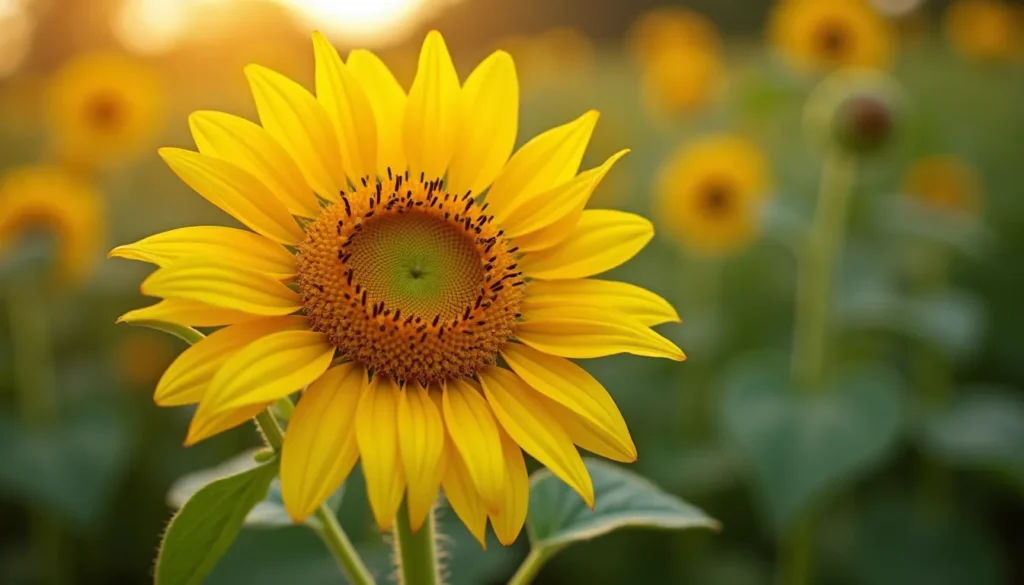
There’s something magical about stepping into your backyard and seeing flowers you planted with your own hands swaying in the breeze. Whether you’re looking at an empty patch of soil or dreaming of transforming your patio into a colorful oasis, flower gardening is one of the most rewarding hobbies you can start today.
This guide will walk you through everything you need to know to grow stunning flowers, from choosing your first seeds to mastering containers and understanding what grows best in your area.
Getting Started with Flower Gardening for Beginners
Starting a flower garden doesn’t have to be complicated or expensive. The key is to begin small and learn as you grow.
What You’ll Need to Get Started:
Your first flower garden requires just a few basic supplies. You’ll need good soil (look for bags labeled “garden soil” or “potting mix”), a small hand trowel, a watering can or hose, and of course, your flowers. You can start with seeds or young plants from a garden center. For beginners, young plants are often easier because you’ll see results faster.
Choosing Your First Flowers:
Some flowers are incredibly forgiving and perfect for beginners. Marigolds are nearly impossible to kill and bloom all summer long. Zinnias grow fast and come in rainbow colors. Sunflowers are fun to watch as they grow taller each week. Petunias fill containers beautifully and keep blooming. Cosmos are delicate-looking but tough as nails.
The secret to success is picking flowers that match your lifestyle. If you’re busy, choose low-maintenance varieties. If you love checking on your plants daily, you can try flowers that need more attention.
Understanding Sunlight:
Before you plant anything, watch your garden space for a few days. How many hours of direct sunlight does it get? Full sun means 6-8 hours of direct sunlight. Part sun means 4-6 hours. Shade means less than 4 hours. This information determines which flowers will thrive in your space.
Flower Gardening Ideas to Inspire Your Space
Your flower garden should reflect your personality and fit your lifestyle. Here are some popular approaches that work beautifully:
The Cottage Garden Style:
This relaxed, abundant look mixes different flower heights and colors for a natural feel. Think hollyhocks in the back, roses in the middle, and lavender along the edges. Plants spill over into each other, creating a lush, romantic atmosphere.
The Color Theme Garden:
Some gardeners choose one or two colors for a sophisticated look. An all-white garden glows at dusk. A purple and yellow combination creates stunning contrast. Pink and red together feels warm and welcoming.
The Cutting Garden:
Plant flowers specifically for bringing indoors. Arrange rows of zinnias, cosmos, sunflowers, and dahlias. This approach is practical and beautiful, giving you fresh bouquets all season.
The Pollinator Paradise:
Create a garden that helps bees, butterflies, and hummingbirds. Choose native flowers like coneflowers, black-eyed Susans, bee balm, and salvia. You’ll enjoy watching your garden come alive with visitors.
The Seasonal Succession Garden:
Plan your garden so something is always blooming. Start with tulips and daffodils in spring, transition to roses and daylilies in summer, and finish with asters and mums in fall.
Outdoor Flower Pot Ideas: Patio Container Gardening
Don’t have a yard? No problem! Container gardening brings flowers to patios, balconies, porches, and even small apartment spaces.
Choosing the Right Containers:
Almost anything can become a flower pot if it has drainage holes. Traditional clay pots are classic and breathable. Plastic pots are lightweight and hold moisture well. Wooden barrels create a rustic look. Metal buckets add farmhouse charm. The most important rule is this: your container must have holes in the bottom for water to drain out. Without drainage, roots sit in water and rot.
Size Matters:
Bigger pots are actually easier for beginners. They hold more soil, which means they don’t dry out as quickly. A container at least 12 inches across and 10 inches deep works for most flowers. Group several pots together for more impact.
Creative Container Combinations:
The thriller, filler, spiller method creates professional-looking arrangements. Choose one tall plant for the center (the thriller), add medium-height flowers around it (the filler), and finish with trailing plants that cascade over the edge (the spiller). For example, try a purple fountain grass in the center, pink petunias around it, and sweet potato vine spilling over the sides.
Patio Container Ideas by Style:
Modern minimalist? Try a single color in geometric concrete pots. Farmhouse style? Use galvanized buckets and whiskey barrels. Coastal vibe? Paint terracotta pots in blues and whites. Bohemian? Mix colorful ceramics in different sizes and heights.
Essential Flower Gardening Tips for Success
These practical tips will help your flowers thrive from planting day through the entire growing season.
Watering Wisdom:
Most flowers need about an inch of water per week, either from rain or from you. Water deeply but less often rather than a little bit every day. This encourages roots to grow deeper, making plants stronger. The best time to water is early morning, so leaves dry before nightfall. Wet leaves at night can lead to disease.
Feeding Your Flowers:
Flowers need food just like we do. Use a balanced fertilizer every few weeks during the growing season. Look for numbers like 10-10-10 or 20-20-20 on the package. For containers, fertilize more often because nutrients wash out with watering. You can also use compost as a natural, gentle fertilizer.
Deadheading for More Blooms:
When flowers fade, pinch or cut them off. This process, called deadheading, tells the plant to make more flowers instead of making seeds. You’ll get many more blooms throughout the season. Zinnias, petunias, and marigolds especially benefit from regular deadheading.
Mulch Makes Life Easier:
Spread a 2-3 inch layer of mulch around your flowers. Mulch keeps weeds down, holds moisture in the soil, and makes your garden look neat. Use wood chips, shredded bark, or even pine needles.
Watch for Problems:
Check your plants regularly. Yellow leaves might mean too much water or not enough nutrients. Holes in leaves could indicate caterpillars or beetles. White powder on leaves might be a fungal disease. Catching problems early makes them easier to fix.
Flower Container Gardening: Detailed Techniques
Container gardening requires slightly different care than in-ground gardens. Here’s what makes containers special:
The Right Soil Mix:
Never use regular garden soil in containers. It’s too heavy and doesn’t drain well. Buy potting mix specifically made for containers. Good potting mix is light and fluffy, holds moisture but drains excess water, and often includes fertilizer to get you started.
Watering Container Gardens:
Pots dry out much faster than garden beds, especially in hot weather. You might need to water once or even twice a day in summer. Stick your finger into the soil up to your second knuckle. If it feels dry, water until water runs out the drainage holes.
Winter Care for Containers:
In cold climates, terracotta and ceramic pots can crack when soil freezes and expands. Either bring sensitive pots inside or choose frost-proof containers. You can also wrap pots in bubble wrap for protection.
Choosing Flowers for Containers:
The best container flowers stay compact and bloom for a long time. Top choices include petunias, calibrachoa (million bells), geraniums, begonias, impatiens (for shade), verbena, lantana, and sweet alyssum.
Growing Flowers in Different Climate Zones
Your climate zone determines which flowers will thrive in your garden and when to plant them.
Zone 8 Gardening Flowers
Zone 8 includes parts of the Pacific Northwest, the South, and Texas. Winters are mild with occasional freezes, and summers are warm to hot.
Best Flowers for Zone 8:
You can grow almost anything in Zone 8. Spring bulbs like tulips and daffodils do well. Summer annuals including zinnias, sunflowers, cosmos, and marigolds thrive. Perennials like coneflowers, salvia, and roses come back year after year. You can even grow camellias and gardenias.
Planting Schedule:
Start cool-season flowers like pansies and snapdragons in early spring or fall. They can handle light frosts. Plant summer annuals after the last spring frost, usually around April. In Zone 8, you get a long growing season, often from March through November.
Zone 9 Flower Gardening in Texas
Zone 9 covers much of coastal Texas, including Houston and parts of San Antonio. This zone offers a long growing season but brings intense summer heat.
Heat-Loving Flowers for Zone 9 Texas:
Success in Zone 9 means choosing flowers that laugh at heat. Zinnias handle Texas summers beautifully. Lantana blooms nonstop and needs little water. Purslane loves the heat and comes in bright colors. Pentas attract butterflies and thrive in hot weather. Vinca (periwinkle) keeps blooming through brutal heat.
Texas-Specific Tips:
In Zone 9 Texas, you can grow flowers almost year-round. Plant cool-season flowers like pansies, dianthus, and snapdragons from October through February. These bloom through winter and spring. Switch to heat-lovers in late spring. The biggest challenge is the intense summer sun and occasional drought, so choose tough varieties and mulch heavily to conserve water.
Dealing with Texas Heat:
Afternoon shade helps flowers survive Texas summers. If possible, position gardens where they get morning sun and afternoon shade. Water early in the morning before temperatures soar. Consider native Texas wildflowers like bluebonnets, black-eyed Susans, and Mexican hat, which evolved to handle the climate.
Helpful Flower Gardening Books
Good gardening books become trusted friends you return to season after season. Here are types of books that help flower gardeners:
Beginner-Friendly Books:
Look for titles with “beginner” or “simple” in the name. These books explain basics without overwhelming you with technical terms. They often include lots of pictures and step-by-step instructions.
Regional Gardening Books:
Books specific to your state or region are incredibly valuable. They tell you exactly when to plant, which varieties perform best locally, and how to handle your area’s specific challenges. Search for “[Your State] flower gardening” when shopping for books.
Flower Identification Books:
Books with photos of different flowers help you learn flower names and choose new varieties to try. They’re also helpful when you fall in love with a flower at a garden center but don’t know what it’s called.
Design and Inspiration Books:
These beautiful books are filled with garden photos that spark ideas. They show you how to combine colors, arrange heights, and create different garden styles.
What to Look for on the Cover:
A good gardening book cover usually shows beautiful, realistic flowers rather than overly edited images. It clearly states what type of gardening it covers. The author’s credentials or the publisher’s reputation matter too. Books from university extension services or established garden writers tend to be reliable.
Specific Flower Growing Guides
Let’s dive deep into growing a few popular flowers that are perfect for beginners and experienced gardeners alike.
Zinnia Flower Gardening Guide
Zinnias are the perfect flower for beginners. They’re fast-growing, colorful, heat-loving, and practically indestructible.
Why Grow Zinnias:
Zinnias bloom in every color except blue. They grow from 6 inches to 4 feet tall depending on the variety. Butterflies absolutely love them. They make excellent cut flowers that last over a week in a vase. Plus, they bloom from early summer until frost.
Planting Zinnias:
Plant zinnia seeds directly in the garden after the last frost date. They grow so fast that starting them indoors isn’t necessary. Plant seeds about 1/4 inch deep and 4 inches apart. Thin seedlings to 6-12 inches apart once they sprout. Zinnias need full sun and well-drained soil.
Caring for Zinnias:
Water at the base of plants rather than from overhead to prevent powdery mildew on leaves. Deadhead spent blooms regularly to encourage more flowers. Cut stems at an angle for bouquets and remove lower leaves before putting them in water. Zinnias need no special care beyond regular watering and occasional feeding.
Best Zinnia Varieties:
“Benary’s Giant” zinnias grow tall with huge blooms perfect for cutting. “Profusion” series stays compact and resists disease. “Zinderella” has frilly, dahlia-like petals. “Queen Red Lime” offers unusual colors with red petals and green centers.
Iris Flower Gardening Tips
Irises are elegant perennials that return year after year. Their sword-like leaves look good even when not blooming.
Types of Irises:
Bearded irises are the most common, with fuzzy “beards” on their petals. They bloom in late spring in almost every color. Siberian irises have more delicate flowers and grass-like foliage. Japanese irises prefer moist conditions and bloom later in summer.
Planting Iris Rhizomes:
Irises grow from rhizomes (thick roots) rather than bulbs. Plant them in late summer or fall. Dig a shallow hole and create a small mound in the center. Place the rhizome on the mound with roots spreading down the sides. The top of the rhizome should sit at or just below soil level. Space them 12-24 inches apart.
Iris Care Secrets:
Irises need at least 6 hours of sun to bloom well. They prefer well-drained soil and actually don’t want too much water. After blooming, cut the flower stalks down but leave the foliage until it turns brown. Divide crowded clumps every 3-4 years in late summer. Dig them up, break apart the rhizomes, and replant the healthiest pieces.
Common Iris Problems:
Iris borers are the biggest pest. These caterpillars tunnel into rhizomes and can destroy plants. Remove and destroy affected plants. Clean up dead foliage in fall where borers overwinter. If leaves develop brown streaks with soft, mushy areas, that’s iris borer damage.
Learning Flower Names for Gardening
Knowing flower names helps you find information, shop confidently, and communicate with other gardeners.
Why Botanical Names Matter:
Every flower has a common name (like “Black-eyed Susan”) and a botanical Latin name (like “Rudbeckia hirta”). The Latin name is the same worldwide, while common names vary by region. Learning a few botanical names helps you find exactly what you want.
Easy Ways to Learn Names:
Take photos of flowers you love and use plant identification apps like PictureThis or PlantNet. These apps identify plants from photos and teach you their names. Label your plants with popsicle sticks or small markers when you plant them. Visit botanical gardens where plants are labeled. Join garden groups online where you can ask, “What is this flower?”
Common Name Categories:
Some flower names describe how they look: Snapdragon flowers snap like dragon jaws. Bachelor’s Button looks like a button. Some names tell where they’re from: Mexican sunflower, Shasta daisy. Some honor people: Black-eyed Susan, Sweet William. Understanding these patterns makes names easier to remember.
Building Your Flower Vocabulary:
Start by learning 10 flowers you see often: marigold, zinnia, petunia, sunflower, rose, daisy, lily, tulip, daffodil, and pansy. Then add one new name each week as you garden. Write them down in a garden journal with notes about colors and bloom times.
Stylish Pink Flower Gardening Tools
Gardening tools don’t have to be boring! Pink and colorful tools make gardening more fun while working just as well as traditional tools.
Essential Tools in Pink:
You can find almost every garden tool in pink these days. Pink hand trowels and cultivators help you dig and weed. Pink pruning shears cut stems cleanly. Pink garden gloves protect your hands in style. Pink watering cans add charm to your patio. Pink kneeling pads save your knees during planting.
Where to Find Colorful Tools:
Many garden centers now carry tools in various colors. Online retailers like Amazon offer extensive selections. Brands like Gardeners’ Supply Company and Gardena make quality tools in fun colors. Hardware stores increasingly stock colorful garden tool sets.
Quality Still Matters:
Choose tools that feel comfortable in your hands and are the right size for you. Pink tools work just as well as traditional colors, but make sure they’re well-made. Look for sturdy construction, sharp blades on cutting tools, and comfortable grips. A poorly made tool in your favorite color is still a poor tool.
Organizing Your Tools:
Store your pretty tools where you’ll see and use them. Hang them on a pegboard painted in a complementary color. Use a colorful bucket or tote to carry them around the garden. Display your favorite pink watering can on your patio even when not in use.
Quick Reference Tables for Flower Gardeners
Best Flowers for Beginners
| Flower Name | Sun Needs | Water Needs | Bloom Time | Special Feature |
|---|---|---|---|---|
| Zinnia | Full sun | Medium | Summer to frost | Heat-loving, many colors |
| Marigold | Full sun | Low to medium | Summer to frost | Pest-resistant, easy |
| Sunflower | Full sun | Medium | Summer | Fast-growing, tall |
| Petunia | Full sun | Medium | Spring to frost | Great for containers |
| Cosmos | Full sun | Low | Summer to fall | Drought-tolerant |
| Impatiens | Shade | Medium to high | Spring to frost | Best shade annual |
| Pansy | Part sun | Medium | Fall, winter, spring | Cold-tolerant |
| Sweet Alyssum | Sun to part shade | Medium | Spring to fall | Fragrant, spreading |
Container Size Guide for Popular Flowers
| Container Size | What Fits | Best Flowers |
|---|---|---|
| 6-8 inches | Single plant | Small herbs, alyssum, violas |
| 10-12 inches | 1-3 plants | Petunias, geraniums, small zinnias |
| 14-16 inches | 3-5 plants | Mixed combinations, larger flowers |
| 18-24 inches | 5-7 plants | Full mixed containers, thriller-filler-spiller |
| Half barrel (24″+ wide) | 7-10 plants | Large arrangements, small shrubs |
Monthly Flower Garden Tasks (Adjust by Zone)
| Month | Main Tasks | Focus Areas |
|---|---|---|
| March | Start seeds indoors, prepare beds | Planning and preparation |
| April | Plant cool-season flowers, transplant seedlings | Active planting |
| May | Plant summer annuals, stake tall flowers | Planting and support |
| June | Deadhead, water, fertilize | Maintenance and enjoyment |
| July | Continue deadheading, watch for pests | Peak bloom care |
| August | Water consistently, plan fall garden | Heat management |
| September | Plant fall flowers, divide perennials | Transitioning seasons |
| October | Plant spring bulbs, clean up | Fall preparation |
| November | Mulch beds, store tools | Winterizing |
Your Flower Gardening Journey Begins Now
Starting a flower garden is like opening a door to a more colorful, peaceful life. You don’t need a big yard, lots of money, or years of experience. You just need some soil, a few plants, and the willingness to try.
Remember These Key Points:
Start small with just a few easy flowers. You can always expand next year. Choose flowers that match your sunlight and climate zone. Water consistently, especially when plants are getting established. Don’t be afraid to make mistakes – every gardener kills plants while learning. Enjoy the process and celebrate each bloom.
What’s Next for You:
Pick just one idea from this guide and try it this week. Maybe you’ll plant zinnia seeds in a sunny spot. Perhaps you’ll create a container garden on your patio with a thriller, filler, and spiller. Or maybe you’ll simply visit a garden center and choose three flowers that make you smile.
The most important step is the first one. Your flower gardening journey doesn’t have to be perfect. It just has to begin.
Soon you’ll experience the pure joy of seeing your first blooms open, the satisfaction of cutting flowers you grew yourself, and the peace that comes from working with your hands in the soil. That’s what flower gardening is really about – not perfection, but connection to the earth and the simple pleasure of growing something beautiful.
Now grab those pink gardening tools, put on your gloves, and let’s get growing! Your future flower garden is waiting for you to bring it to life.


Welcome to MithilaConnect, where we curate the art of living, celebrating the vibrant tapestry of life through culture, fashion, food, and everything in between.