


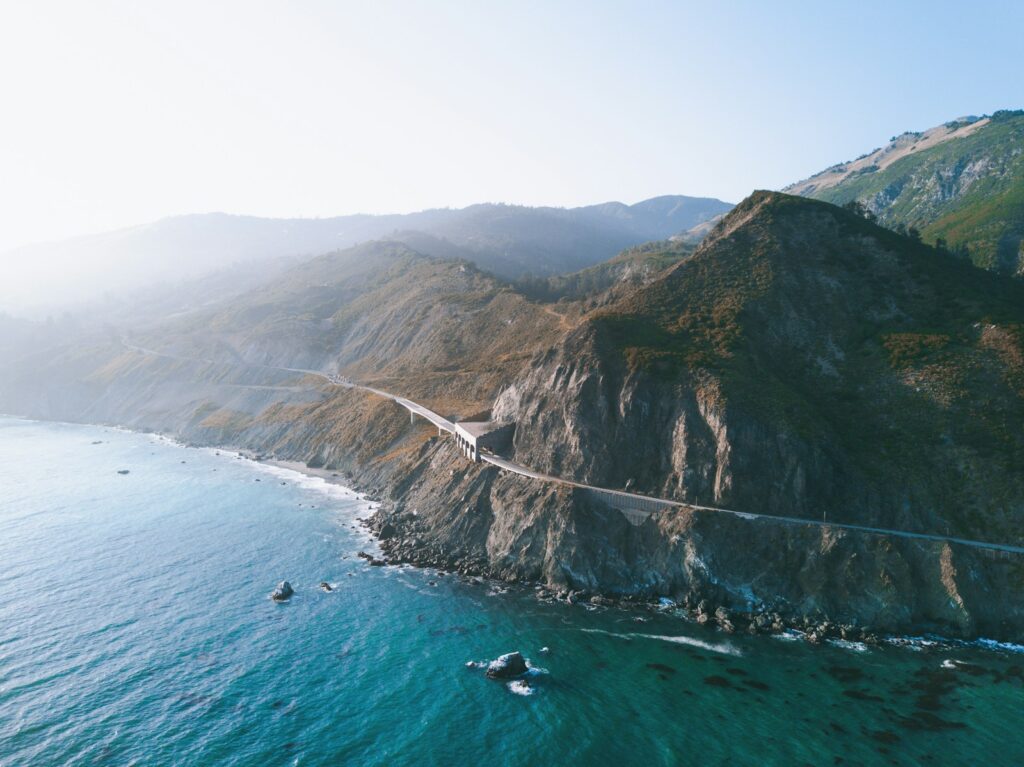
There’s something magical about hitting the open road with nothing but adventure ahead of you. America’s highways and byways offer some of the most spectacular scenery and thrilling experiences you’ll find anywhere on Earth. Whether you’re craving mountain peaks, coastal views, or desert landscapes, these routes deliver excitement at every turn. Here are 9 Best U.S. Road Trip Routes for Adventure Seekers.
What Makes a Road Trip Route Perfect for Adventure Seekers?

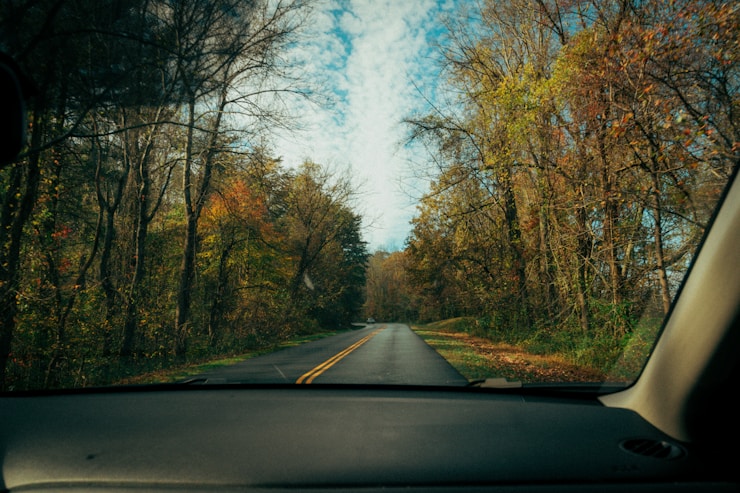
Adventure enthusiasts need more than just pretty views. The best routes combine stunning scenery with opportunities for outdoor activities and cultural exploration. Think rock climbing, white-water rafting, hiking, and maybe even some extreme sports thrown in for good measure.
Diversity is key. You want landscapes that change dramatically as you drive. Desert giving way to mountains, forests opening up to coastlines, or plains stretching endlessly toward snow-capped peaks. These transitions create natural stopping points for different types of adventures.
Road conditions matter too. While some adventure seekers love challenging terrain, others prefer well-maintained highways that let them focus on the destinations rather than worrying about their vehicle. The best routes offer options for both types of travelers.
Cultural experiences add depth to any adventure trip. Local festivals, historic sites, regional cuisine, and interactions with communities along the way transform a simple drive into a journey of discovery.
How Long Should You Plan for These Epic Journeys?
Most adventure road trips deserve at least a week to truly appreciate what they offer. Rushing through these routes defeats the purpose. You’ll miss hidden gems, skip spontaneous detours, and arrive home feeling like you barely scratched the surface.
Planning depends heavily on your adventure priorities. Hikers and outdoor enthusiasts need extra time for activities. Photography buffs require flexibility for perfect lighting conditions. Families with kids need more frequent stops and shorter driving days.
Seasonal timing affects duration significantly. Summer trips often take longer due to crowds and busy campgrounds requiring reservations. Spring and fall offer better weather in many regions but shorter daylight hours. Winter travel can be spectacular but demands extra preparation time and potentially longer routes around closed roads.
Budget considerations influence trip length too. Longer journeys cost more in fuel, food, and accommodations. However, the cost per day often decreases on extended trips as you develop efficient routines and discover money-saving opportunities along the way.
1. Pacific Coast Highway – California’s Coastal Masterpiece
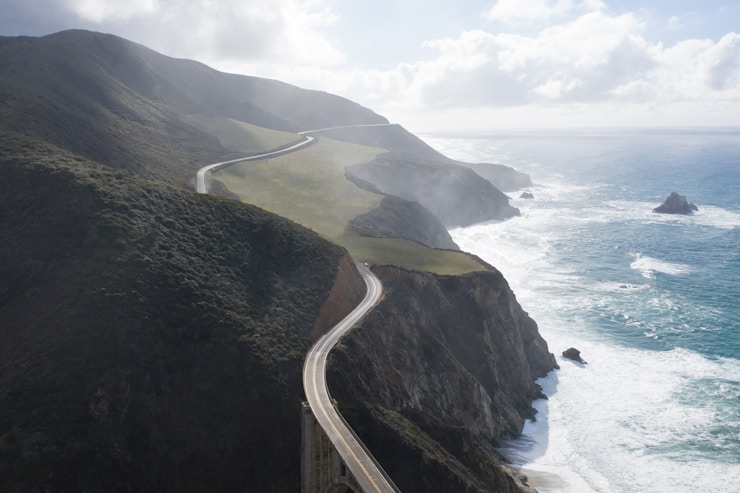
The Pacific Coast Highway stretches 655 miles along California’s dramatic coastline. This route delivers everything adventure seekers crave: rugged cliffs, pristine beaches, redwood forests, and charming coastal towns.
Start in San Francisco and work your way south. The Golden Gate Bridge provides an iconic beginning, but the real adventure starts as you leave the city behind. Highway 1 hugs the coastline, offering breathtaking ocean views and numerous opportunities for outdoor activities.
Big Sur represents the route’s crown jewel. Towering redwoods meet crashing waves while hiking trails lead to hidden waterfalls and secluded beaches. Rock climbing enthusiasts find challenging routes, while photographers capture some of the most stunning coastal scenery in America.
Monterey Bay offers world-class diving and kayaking opportunities. The kelp forests teem with marine life, including sea otters, seals, and colorful fish. Whale watching tours operate year-round, with different species visible depending on the season.
Further south, San Luis Obispo provides a perfect base for exploring Hearst Castle and the surrounding wine country. The area offers excellent hiking, mountain biking, and rock climbing opportunities in addition to cultural attractions.
The journey concludes in Los Angeles, but don’t rush through the final stretch. Malibu’s beaches offer excellent surfing, while the Santa Monica Mountains provide hiking trails with panoramic views of the Pacific Ocean.
2. Blue Ridge Parkway – Appalachian Adventure Paradise

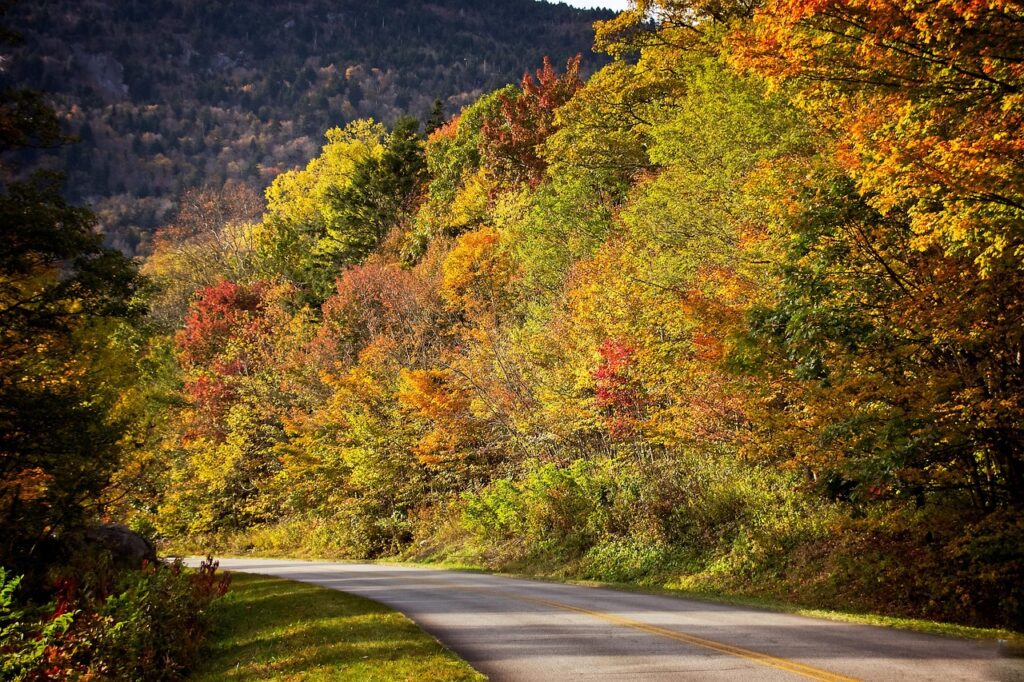
The Blue Ridge Parkway winds 469 miles through Virginia and North Carolina, connecting Shenandoah National Park to Great Smoky Mountains National Park. This scenic byway offers adventure seekers an incredible variety of outdoor activities and cultural experiences.
Spring brings wildflower blooms and mild temperatures perfect for hiking. The parkway features over 300 trails ranging from easy walks to challenging backcountry adventures. Waterfalls cascade down mountainsides while panoramic overlooks provide stunning views of the Appalachian Mountains.
Fall transforms the parkway into a spectacular display of autumn colors. The changing leaves create a natural kaleidoscope that attracts visitors from around the world. This season offers ideal weather for camping, hiking, and exploring the numerous craft shops and cultural sites along the route.
Adventure activities abound throughout the region. White-water rafting on the New River provides thrills for experienced paddlers. Rock climbing opportunities exist at numerous locations, including the famous cliffs near Linville Gorge. Mountain biking trails wind through forests and meadows, offering challenges for all skill levels.
Cultural attractions add depth to the adventure. The parkway preserves Appalachian heritage through historic cabins, working farms, and craft demonstrations. Local musicians perform traditional mountain music, while artisans showcase skills passed down through generations.
Wildlife viewing opportunities are exceptional. Black bears, deer, wild turkeys, and numerous bird species call the region home. Early morning and evening drives often reward patient observers with memorable wildlife encounters.
3. Going-to-the-Sun Road – Montana’s Alpine Wonder
Going-to-the-Sun Road crosses the Continental Divide through Glacier National Park in Montana. This 50-mile engineering marvel provides access to some of America’s most pristine wilderness and spectacular mountain scenery.
The road typically opens fully only from late June through October due to heavy snow at higher elevations. This limited season makes timing crucial for adventure seekers wanting to experience the complete route. However, partially open sections provide excellent winter recreation opportunities for those equipped for cold-weather adventures.
Logan Pass sits at the route’s highest point, offering incredible hiking opportunities. The Hidden Lake Overlook trail provides an accessible introduction to the park’s alpine environment. More adventurous hikers can tackle the challenging Highline Trail, which follows the Continental Divide for miles with spectacular views.
Wildlife viewing ranks among the park’s top attractions. Mountain goats, bighorn sheep, black bears, and grizzly bears inhabit the region. Moose wade through alpine lakes while golden eagles soar overhead. The park’s diverse ecosystems support over 270 bird species and 70 mammal species.
Adventure activities extend beyond hiking. The park offers excellent fishing in pristine mountain lakes and streams. Backpacking opportunities range from overnight trips to extended wilderness expeditions. Rock climbing and mountaineering attract serious adventurers to the park’s challenging peaks.
The road itself provides adventure through its dramatic engineering. Narrow sections carved into cliff faces offer thrilling drives with spectacular drop-offs. Stone bridges and tunnels add to the experience while providing access to otherwise unreachable areas.
4. Route 66 – America’s Main Street Adventure
Historic Route 66 stretches 2,448 miles from Chicago to Los Angeles, crossing eight states and offering adventure seekers a journey through America’s heartland. While much of the original highway has been replaced by interstates, remaining sections provide authentic experiences and nostalgic charm.
The route passes through diverse landscapes and climates. Prairie grasslands give way to desert mesas, while mountain ranges interrupt vast plains. Each region offers different adventure opportunities and cultural experiences that reflect local heritage and geography.
Outdoor adventures vary dramatically along the route. The Ozark Mountains in Missouri provide excellent hiking and fishing opportunities. Oklahoma’s red rock formations offer rock climbing and photography opportunities. New Mexico’s high desert landscape features numerous state parks with hiking trails and camping facilities.
Arizona’s section includes some of the route’s most spectacular scenery. Petrified Forest National Park preserves ancient trees turned to stone while displaying colorful badlands formations. The Painted Desert stretches for miles with layers of sedimentary rock creating a natural rainbow of colors.
Cultural attractions make Route 66 special for adventure seekers interested in American history. Classic diners, vintage motels, and roadside attractions preserve the golden age of automobile travel. Many small towns along the route maintain their original character and welcome visitors with genuine hospitality.
Adventure seekers can explore abandoned sections of the highway on foot or bicycle. These forgotten stretches offer solitude and opportunities to imagine what travel was like during the route’s heyday. Ghost towns and ruins provide glimpses into the past while offering photography opportunities.
5. Utah’s Mighty Five National Parks Circuit
Utah’s five national parks create an adventure seeker’s paradise within a relatively compact area. This circuit covers approximately 1,200 miles and includes Arches, Canyonlands, Capitol Reef, Bryce Canyon, and Zion National Parks.
Each park offers distinct landscapes and adventure opportunities. Arches National Park features over 2,000 natural stone arches along with hiking trails ranging from easy walks to challenging scrambles. The famous Delicate Arch provides an iconic photo opportunity, while lesser-known formations offer solitude and exploration possibilities.
Canyonlands National Park delivers vast wilderness experiences with dramatic canyon views and excellent hiking opportunities. The park’s three districts each offer different experiences, from easy rim walks to challenging backcountry adventures. White-water rafting on the Colorado River provides thrills and access to remote canyon areas.
Capitol Reef National Park preserves a unique geological formation called the Waterpocket Fold. This wrinkle in the Earth’s crust creates colorful cliffs, hidden canyons, and natural bridges. The park offers excellent hiking, rock climbing, and photography opportunities along with historic pioneer sites.
Bryce Canyon National Park showcases incredible rock formations called hoodoos. These towering spires create a natural amphitheater that changes color throughout the day. Hiking trails descend into the canyon, providing close-up views of these geological wonders.
Zion National Park features towering sandstone cliffs and narrow slot canyons. The Virgin River has carved spectacular gorges through the rock, creating adventures like the famous Narrows hike. Rock climbing opportunities abound, including the challenging big walls that attract climbers from around the world.
6. Alaska Highway – The Ultimate Frontier Adventure
The Alaska Highway stretches 1,387 miles from Dawson Creek, British Columbia, to Delta Junction, Alaska. This legendary route provides adventure seekers with access to some of North America’s most remote and spectacular wilderness areas.
Originally built during World War II, the highway passes through diverse landscapes including boreal forests, mountain ranges, and vast wilderness areas. Wildlife viewing opportunities are exceptional, with chances to see moose, caribou, black bears, grizzly bears, and numerous bird species.
The journey requires preparation and flexibility. Weather conditions can change rapidly, and services are limited in many areas. However, these challenges add to the adventure and create a true sense of exploration and self-reliance.
Outdoor activities along the route include world-class fishing in pristine lakes and rivers. Hiking opportunities range from short nature walks to multi-day wilderness expeditions. The midnight sun during summer months provides extended daylight for outdoor adventures.
Cultural experiences include interactions with First Nations communities and learning about indigenous traditions. Historic sites along the route preserve the highway’s military origins and the challenges faced during its construction.
The highway serves as a gateway to additional adventures in Alaska. Denali National Park, Kenai Peninsula, and countless other destinations become accessible once you’ve completed this epic drive.
7. Great River Road – Mississippi’s Mighty Adventure
The Great River Road follows the Mississippi River for 2,340 miles from its source in Minnesota to the Gulf of Mexico in Louisiana. This route offers adventure seekers a journey through America’s heartland with diverse landscapes and cultural experiences.
The northern sections pass through pristine wilderness areas with excellent fishing, hunting, and hiking opportunities. The Mississippi’s headwaters region features clear lakes and streams perfect for canoeing and kayaking adventures.
As the river grows larger, it creates backwater areas and wetlands that support incredible wildlife diversity. Bird watching opportunities are exceptional, particularly during spring and fall migrations when thousands of waterfowl use the river corridor.
Cultural attractions along the route include historic river towns, antebellum mansions, and Civil War battlefields. Music heritage sites celebrate the blues, jazz, and country music traditions that developed along the river.
Adventure activities vary by region but consistently offer water-based recreation. Fishing for bass, catfish, and other species provides relaxation and excitement. Paddling opportunities range from peaceful backwater exploration to challenging current navigation.
The route’s southern sections feature different landscapes including cypress swamps and delta wetlands. These areas offer unique ecosystems to explore and photograph while providing habitat for alligators, wading birds, and other wildlife.
8. Four Corners Adventure Loop – Southwest Desert Discovery
The Four Corners region where Utah, Colorado, Arizona, and New Mexico meet offers adventure seekers an incredible concentration of natural wonders and cultural sites. This loop route covers approximately 1,000 miles through high desert landscapes and ancient civilizations.
Mesa Verde National Park preserves spectacular cliff dwellings built by ancestral Puebloan people. These archaeological sites provide insight into ancient cultures while offering hiking opportunities through rugged terrain. The park’s museum and guided tours enhance understanding of this remarkable civilization.
Monument Valley’s iconic sandstone buttes and mesas create one of America’s most recognizable landscapes. Hiking trails provide access to areas beyond the scenic drive, while photography opportunities are virtually unlimited. The area’s Navajo heritage adds cultural depth to the natural beauty.
Canyon de Chelly National Monument features spectacular canyon systems with ancient ruins and rock art. Hiking opportunities include the popular White House Ruins trail and more challenging backcountry routes. The canyon’s cultural significance to the Navajo people adds meaning to any visit.
Adventure activities throughout the region include rock climbing on world-class sandstone formations. Mountain biking trails wind through desert landscapes and slickrock terrain. Hiking opportunities range from easy nature walks to challenging desert expeditions.
The region’s high elevation provides relief from desert heat while offering different ecosystems to explore. Aspen groves, pine forests, and alpine meadows create diversity within the predominantly desert landscape.
9. Cascade Loop – Washington’s Natural Playground
Washington’s Cascade Loop covers 440 miles through the state’s most spectacular mountain and coastal scenery. This route combines volcanic peaks, pristine forests, and charming communities into an adventure seeker’s dream journey.
The North Cascades Highway provides access to some of America’s most rugged mountain wilderness. Hiking trails lead to glaciated peaks, alpine lakes, and pristine forests. Rock climbing and mountaineering opportunities attract serious adventurers to challenging routes on granite spires and volcanic peaks.
Whidbey Island offers a different type of adventure with coastal hiking, kayaking, and whale watching opportunities. The island’s beaches provide excellent beachcombing and photography opportunities while charming towns offer cultural attractions and local cuisine.
The Olympic Peninsula section includes temperate rainforests, rugged coastlines, and mountain wilderness. Hot springs provide relaxation after challenging hikes, while coastal areas offer tide pooling and storm watching opportunities.
Adventure activities throughout the loop include world-class skiing and snowboarding during winter months. Summer brings hiking, camping, fishing, and water sports opportunities. The region’s numerous rivers and lakes provide excellent paddling adventures for all skill levels.
Cultural attractions include Native American heritage sites, historic logging towns, and thriving arts communities. Local festivals celebrate everything from seafood to music, providing opportunities to interact with residents and experience regional culture.


Welcome to MithilaConnect, where we curate the art of living, celebrating the vibrant tapestry of life through culture, fashion, food, and everything in between.