


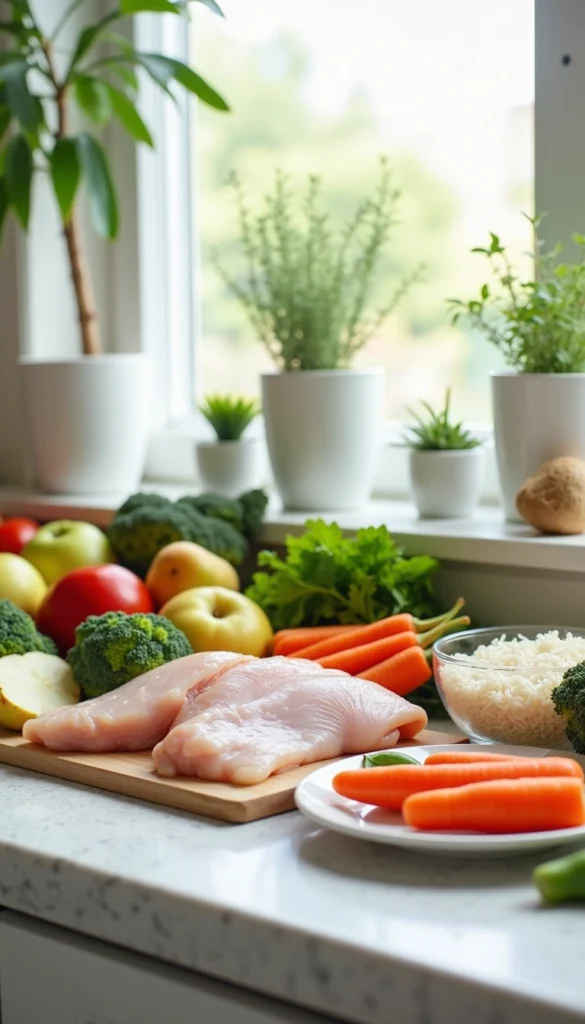
Finding low histamine foods can transform your daily eating experience when you’re dealing with histamine intolerance. Your body deserves nourishment that won’t trigger uncomfortable reactions. Smart food choices make all the difference in how you feel. Let’s explore the best options for your kitchen.
1. Fresh Chicken and Turkey
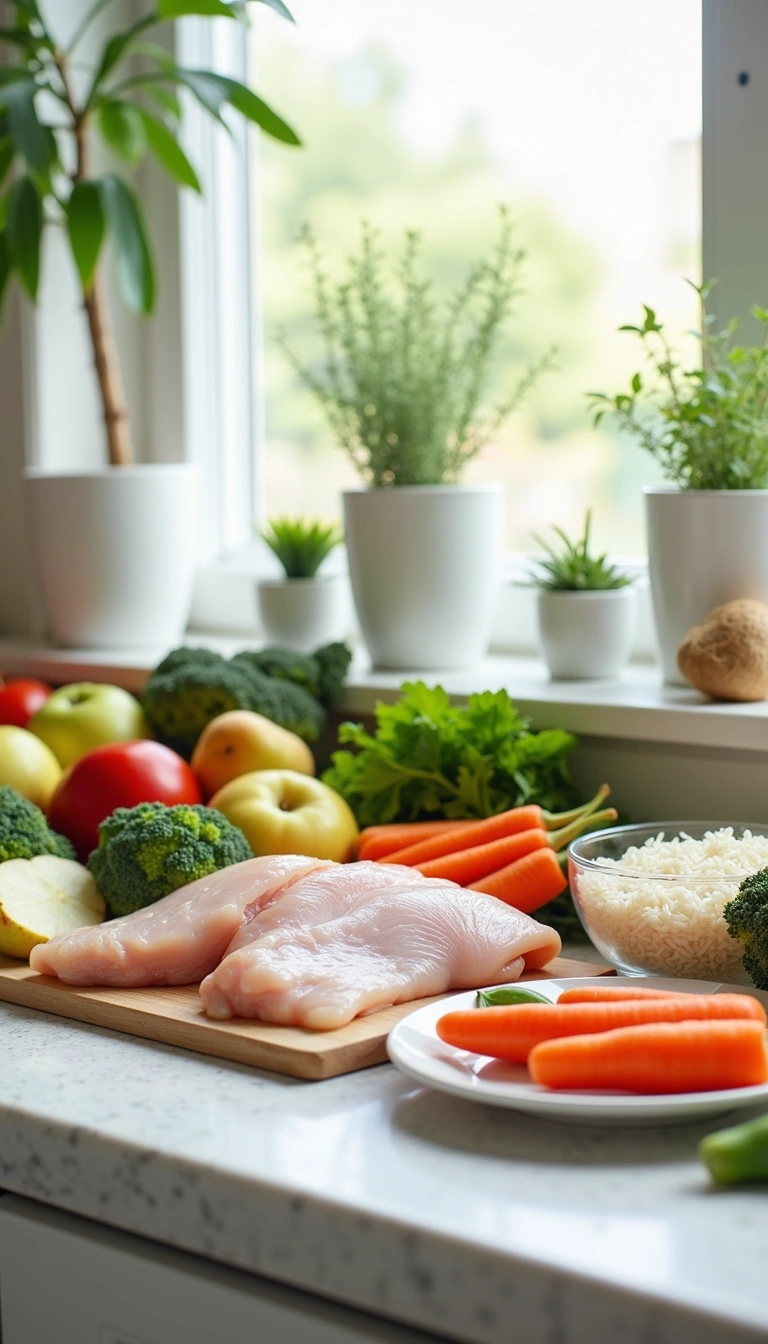

Fresh poultry serves as an excellent protein source for people managing histamine sensitivity. These meats contain minimal histamine levels when consumed within 24-48 hours of purchase or proper freezing.
You’ll want to avoid processed or aged poultry products like deli meats or smoked turkey. Fresh chicken breast contains about 0.1 mg of histamine per 100g, making it one of the safest protein choices available.
Your takeaway: Buy fresh poultry and cook it within two days, or freeze immediately after purchase.
2. White Fish Varieties
Freshly caught white fish like cod, sole, and haddock offer clean protein with low histamine content. These fish varieties break down slower than darker fish, keeping histamine levels manageable.
Frozen white fish works well too, as long as it was flash-frozen shortly after catching. Avoid fish that’s been sitting in the refrigerator for more than 24 hours, as histamine levels rise quickly in seafood.
Tip: Choose white fish over dark fish like tuna or mackerel for better histamine control.
3. Rice and Rice Products
Rice stands out as a reliable grain option that rarely triggers histamine reactions. Both white and brown rice provide steady energy without the fermentation issues found in other grains.
Rice cakes, rice noodles, and rice flour offer versatile alternatives to wheat-based products. Many people find rice easier to digest than other grains, making it perfect for sensitive stomachs.
Your takeaway: Stock up on various rice products as your go-to grain foundation.
4. Fresh Apples
Crisp, fresh apples deliver natural sweetness and fiber without histamine concerns. The quercetin in apples may even help stabilize mast cells, which release histamine in your body.
Organic apples work best since you can eat the skin, where many nutrients live. Avoid apple juice or processed apple products, which often contain preservatives that can trigger reactions.
Tip: Choose organic apples and eat them fresh rather than cooked or processed.
5. Leafy Green Vegetables
Spinach, lettuce, and kale provide essential vitamins while maintaining low histamine levels. These vegetables offer folate and other nutrients that support your body’s natural detoxification processes.
Fresh greens work better than pre-packaged salad mixes, which may have been sitting too long. Frozen spinach can be a good backup option if it’s been properly stored.
Your takeaway: Buy fresh leafy greens and use them within 3-4 days of purchase.
6. Sweet Potatoes
Sweet potatoes offer complex carbohydrates and beta-carotene without histamine issues. They’re naturally sweet and satisfying, making them perfect for main dishes or sides.
You can bake, steam, or roast sweet potatoes for different textures and flavors. They store well at room temperature for weeks, making them a convenient pantry staple.
Tip: Keep sweet potatoes in a cool, dark place and they’ll last for several weeks.
7. Coconut Oil and Products
Pure coconut oil provides healthy fats that won’t trigger histamine reactions. Coconut products like coconut milk and shredded coconut also tend to be well-tolerated by most people.
Look for organic, unrefined coconut oil for the best quality. Coconut oil stays stable at room temperature and works great for cooking at medium to high heat.
Your takeaway: Choose organic, unrefined coconut products without added ingredients.
8. Fresh Herbs Like Basil
Fresh basil, oregano, and thyme add flavor without the histamine load of dried spices. These herbs contain compounds that may actually help reduce inflammation in your body.
Growing your own herbs ensures maximum freshness and flavor. Fresh herbs last longer when stored properly in the refrigerator with their stems in water.
Tip: Grow fresh herbs on your windowsill for the freshest flavor and lowest histamine content.
9. Quinoa Grain
Quinoa provides complete protein and works as an excellent rice alternative. This ancient grain digests easily and doesn’t undergo fermentation like some other grains might.
Rinse quinoa thoroughly before cooking to remove the natural coating that can taste bitter. One cup of cooked quinoa contains about 8 grams of protein and all essential amino acids.
Your takeaway: Always rinse quinoa before cooking to improve taste and digestibility.
10. Fresh Pears
Ripe pears offer gentle sweetness and fiber that most people with histamine sensitivity can enjoy. They’re naturally low in histamine and provide vitamin C and potassium.
Choose pears that yield slightly to pressure but aren’t mushy. Asian pears stay crisp longer than regular pears and may be easier to digest for some people.
Tip: Buy pears at different ripeness stages so you always have fresh ones ready to eat.
11. Olive Oil (Fresh)
High-quality, fresh olive oil provides healthy monounsaturated fats without histamine concerns. Extra virgin olive oil contains antioxidants that may help reduce inflammation.
Store olive oil in a cool, dark place to prevent rancidity. Light and heat break down olive oil quickly, so avoid keeping it near your stove or in sunny spots.
Your takeaway: Buy small bottles of olive oil and store them away from light and heat.
12. Broccoli and Cauliflower
These cruciferous vegetables pack nutrition without histamine issues. They contain compounds that support your liver’s detoxification pathways, which help process histamine. Steam or lightly sauté these vegetables to preserve their nutrients.
Frozen broccoli and cauliflower work well too, especially when fresh options aren’t available.
Tip: Don’t overcook cruciferous vegetables – they should still have some crunch for best nutrition.
13. Fresh Carrots
Carrots provide beta-carotene and natural sweetness that works well in many dishes. They’re stable vegetables that store well and rarely cause histamine reactions.
Baby carrots offer convenience, but whole carrots often taste better and last longer. Carrots can be eaten raw, steamed, roasted, or added to soups and stews.
Your takeaway: Buy whole carrots instead of baby carrots for better flavor and longer storage.
14. Plain Rice Cakes
Simple rice cakes made from just rice and salt provide a crunchy base for toppings. They’re shelf-stable and offer a quick snack option when you need something fast.
Avoid flavored rice cakes, which often contain additives that could trigger reactions. Plain rice cakes work great with fresh fruit, coconut butter, or other safe toppings.
Tip: Read ingredients carefully – choose rice cakes with only rice and salt listed.
15. Fresh Cucumber
Cucumbers offer hydration and a refreshing crunch with virtually no histamine content. They’re cooling and may help reduce inflammation in your digestive system.
Organic cucumbers work best since you can eat the skin safely. Cucumbers lose their crispness quickly, so use them within a few days of purchase.
Your takeaway: Choose organic cucumbers and eat them within 3-4 days for best texture.
16. Herbal Teas (Specific Types)
Chamomile and ginger teas generally work well for people avoiding histamine. These teas may actually help calm digestive upset and reduce inflammation. Brew fresh tea rather than using bottled versions, which may contain preservatives.
Steep herbal teas for 5-10 minutes to get the full benefit of their healing compounds.
Tip: Stick to single-ingredient herbal teas rather than blends that might contain problem ingredients.
17. Fresh Zucchini
Zucchini provides mild flavor and versatility in cooking with minimal histamine content. You can spiralize it into noodles, add it to soups, or grill it as a side dish.
Summer squash like zucchini stores well in the refrigerator for about a week. Choose firm zucchini without soft spots for the best texture and longest storage.
Your takeaway: Buy firm zucchini and use within a week for best quality and safety.
18. Coconut Milk (Canned)
Pure canned coconut milk offers creamy richness without dairy-related histamine issues. Look for brands with just coconut and water as ingredients.
Full-fat coconut milk works better for cooking than light versions. You can use it in curries, smoothies, or as a dairy milk substitute in many recipes.
Tip: Choose coconut milk brands with minimal ingredients – avoid those with gums or preservatives.
19. Fresh Lettuce Varieties
Different lettuce types like romaine, butter lettuce, and iceberg provide crisp freshness with low histamine levels. They form the perfect base for safe salads.
Wash lettuce thoroughly and dry it well to extend its life. Pre-washed lettuce saves time but may not stay fresh as long as whole heads.
Your takeaway: Buy whole heads of lettuce and wash them yourself for maximum freshness.
20. Millet Grain
Millet offers another grain option that’s naturally gluten-free and low in histamine. It has a mild, slightly nutty flavor that works well in both sweet and savory dishes. Cook millet like rice, using a 2:1 ratio of water to grain. It takes about 20 minutes to cook and fluffs up nicely when done properly. Tip: Toast millet in a dry pan before adding water for enhanced nutty flavor.
21. Fresh Green Beans
Green beans provide fiber and nutrients while staying low on the histamine scale. They’re versatile vegetables that work in stir-fries, soups, or as simple steamed sides.
Choose bright green beans that snap crisply when bent. Frozen green beans work well too, especially when fresh ones aren’t in season.
Your takeaway: Look for crisp, bright green beans and use them within a few days of purchase.
22. Pure Salt
Plain sea salt or rock salt adds necessary flavor without histamine concerns. Your body needs sodium for proper function, and pure salt won’t trigger reactions.
Avoid seasoned salts or salt blends that may contain problematic additives. Himalayan pink salt and Celtic sea salt are good options for pure mineral content.
Tip: Choose pure, unprocessed salt without anti-caking agents or other additives.
23. Fresh Celery
Celery provides crunch and mild flavor with virtually no histamine content. It’s mostly water, making it hydrating and easy to digest for most people. Use celery in soups, salads, or as a crunchy snack with safe dips. Store celery in the refrigerator wrapped in foil to keep it crisp longer. Your takeaway: Wrap celery in foil instead of plastic to maintain crispness for up to two weeks.
Making These Foods Work for You
Building meals around these 23 low histamine foods gives you plenty of options for satisfying, nutritious eating. Start by incorporating 3-4 of these foods into each meal to create a solid foundation.
Remember that freshness matters more with histamine sensitivity than with other dietary concerns. Plan to shop more frequently and use foods quickly for the best results.
Your journey toward better health through careful food choices will pay off with increased energy and fewer uncomfortable symptoms. These foods offer the building blocks for a satisfying, varied diet that supports your wellbeing.


Welcome to MithilaConnect, where we curate the art of living, celebrating the vibrant tapestry of life through culture, fashion, food, and everything in between.