


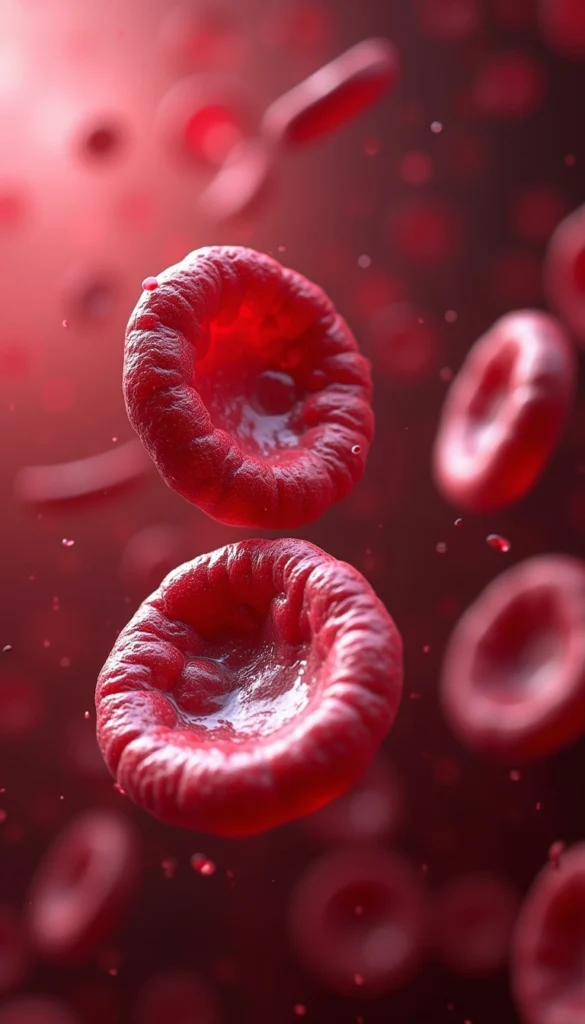
If you have Rh negative blood, you’re part of a rare group that makes up only 15% of the world’s population. This unique blood type comes with special considerations for your health and medical care.
Understanding your Rh status helps you make informed decisions about pregnancy, transfusions, and emergency situations. Knowledge about your blood type could literally save your life.
1. You Belong to a Rare Blood Group


Only about 15% of people worldwide have Rh negative blood. This makes you part of an exclusive minority that requires special medical attention. Your blood lacks the Rh protein found on red blood cells, which creates unique challenges and considerations.
In the United States, roughly 15% of Caucasians, 8% of African Americans, and 1% of Asian Americans have Rh negative blood. This means finding compatible blood donors can sometimes be more challenging than for people with Rh positive blood types.
Your takeaway: Always carry a medical alert card or wear a bracelet identifying your Rh negative status for emergencies.
2. Pregnancy Requires Special Medical Monitoring
When you’re Rh negative and pregnant with an Rh positive baby, your immune system may attack the baby’s red blood cells. This condition, called Rh incompatibility, can cause serious complications including anemia, jaundice, and even death in severe cases.
Your body treats the baby’s Rh positive blood as a foreign invader. Doctors routinely test pregnant women’s blood type and Rh factor during the first prenatal visit. If you’re Rh negative, you’ll receive RhoGAM injections around 28 weeks of pregnancy and within 72 hours after delivery to prevent antibody formation.
Tip: Never skip prenatal appointments if you’re Rh negative – regular monitoring protects both you and your baby.
3. You Can Only Receive Compatible Blood Types
Your immune system will attack any Rh positive blood cells that enter your body. This means you can only safely receive blood from other Rh negative donors. Receiving incompatible blood can cause a life-threatening transfusion reaction with symptoms like fever, chills, and kidney damage.
If you have O negative blood, you’re considered a universal donor because anyone can receive your red blood cells. However, you can only receive O negative blood yourself, making you dependent on a small pool of compatible donors.
Your takeaway: Consider becoming a regular blood donor to help maintain the limited supply of Rh negative blood.
4. Your Blood Type Affects Future Pregnancies More Than Your First
Rh incompatibility typically doesn’t affect your first pregnancy because your immune system hasn’t been exposed to Rh positive blood yet. However, during delivery or certain pregnancy complications, some of the baby’s blood can mix with yours. This exposure causes your immune system to create antibodies against Rh positive blood.
In subsequent pregnancies with Rh positive babies, these existing antibodies can cross the placenta and attack the baby’s red blood cells. This condition, called hemolytic disease of the newborn, becomes more severe with each affected pregnancy without proper treatment.
Tip: Always inform new healthcare providers about all previous pregnancies, even miscarriages, as they can trigger antibody formation.
5. You Need RhoGAM Injections in Specific Situations
RhoGAM is a medication that prevents your immune system from developing antibodies against Rh positive blood. You’ll need this injection during pregnancy, after delivery, and following certain medical procedures. The medication contains antibodies that destroy any Rh positive cells before your immune system detects them.
You should receive RhoGAM after miscarriages, ectopic pregnancies, amniocentesis, chorionic villus sampling, or any abdominal trauma during pregnancy. Even minor procedures that might cause bleeding between maternal and fetal blood supplies require this protection.
Your takeaway: Ask your doctor about RhoGAM whenever you have any pregnancy-related medical procedure, no matter how minor.
6. Blood Transfusions Require Extra Precautions
Hospitals must double-check your blood type before any transfusion because receiving Rh positive blood can be dangerous. Your immune system will immediately recognize Rh positive cells as foreign and launch an attack. This can cause severe reactions including difficulty breathing, chest pain, and potentially fatal complications.
Emergency situations become more complex when you’re unconscious and medical staff don’t know your blood type. This is why many Rh negative people choose to wear medical alert jewelry or carry cards with their blood type information clearly displayed.
Tip: Keep your blood type information easily accessible in your wallet, phone, and medical alert jewelry for emergency situations.
7. Your Ancestry Likely Traces to Specific Populations
Rh negative blood is most common in people of European descent, particularly those from the Basque region of Spain and France. Some theories suggest this blood type originated from ancient populations that remained isolated for long periods. The distribution varies significantly among different ethnic groups worldwide.
Research shows that Rh negative blood is extremely rare in certain populations, such as people of Asian or African descent. This genetic pattern suggests that the Rh negative trait developed in specific geographical regions and spread through population migration over thousands of years.
Your takeaway: Understanding your ancestry can help you connect with family members who might also be Rh negative and potential blood donors.
8. You May Have Unique Physical Characteristics
Some studies suggest that people with Rh negative blood share certain physical traits more commonly than the general population. These may include lower body temperature, higher blood pressure, and increased sensitivity to heat and sunlight. However, scientific evidence for these connections remains limited and controversial.
Research has also indicated possible links between Rh negative blood and certain health conditions, including higher rates of allergies and autoimmune disorders. While these correlations exist in some studies, they don’t apply to every person with Rh negative blood.
Tip: Focus on your individual health rather than generalizations about Rh negative traits, and discuss any concerns with your healthcare provider.
9. Emergency Medical Care Becomes More Complicated
In trauma situations where you need immediate blood transfusions, medical teams must take extra time to confirm your blood type. O negative blood is often used as a universal donor type in emergencies, but supplies are limited. Your rare blood type means hospitals may need to locate specific donors or transfer blood from other facilities.
Some Rh negative individuals choose to participate in directed donor programs, where friends and family members with compatible blood types are pre-screened and available for emergencies. This creates a personal network of potential donors when needed most.
Your takeaway: Establish relationships with local blood banks and consider setting up a directed donor network with compatible family and friends.
10. Genetic Counseling Can Provide Valuable Information
Understanding how Rh negative blood passes through families helps you make informed decisions about family planning. Both parents must carry the Rh negative gene for a child to have Rh negative blood. If you’re Rh negative, you have two copies of the recessive gene responsible for this trait.
Genetic counselors can explain the probability of your children having Rh negative blood based on your partner’s blood type. They can also discuss the implications for pregnancy planning and help you understand the medical monitoring you’ll need during pregnancy.
Tip: Consider genetic counseling before pregnancy to understand your family’s blood type patterns and plan appropriate medical care.
11. You Should Maintain Detailed Medical Records
Keeping comprehensive records of your blood type, antibody screenings, and any RhoGAM injections helps ensure proper medical care throughout your life. These records become especially important if you move, change doctors, or need emergency care at unfamiliar hospitals. Complete documentation prevents medical errors and ensures appropriate treatment.
Your medical records should include dates of all pregnancies, blood transfusions, and antibody tests. Some people create personal medical summary cards that list their blood type, allergies, medications, and emergency contacts for quick reference during medical situations.
Your takeaway: Create and maintain a personal medical summary that includes your Rh negative status and share copies with all your healthcare providers.
12. Blood Donation Makes You a Lifesaver
Your Rh negative blood is desperately needed by hospitals and blood banks because so few people can donate this type. Regular donation helps maintain adequate supplies for emergency situations, surgeries, and other medical needs. One donation can potentially save up to three lives through the separation of red blood cells, plasma, and platelets.
Blood banks often contact Rh negative donors more frequently than other donors because of the constant need for these rare blood types. Some donors participate in apheresis procedures, where specific blood components are collected while other parts are returned to your body.
Tip: If you’re healthy and eligible, consider becoming a regular blood donor to help maintain the critical supply of Rh negative blood.
13. Modern Medicine Has Made Rh Incompatibility Manageable
Before the development of RhoGAM in the 1960s, Rh incompatibility caused thousands of infant deaths and disabilities each year. Today, proper medical care makes Rh incompatibility a manageable condition rather than a life-threatening crisis. Advances in prenatal testing and monitoring have dramatically improved outcomes for Rh negative mothers and their babies.
Current research continues to improve treatments and develop new approaches to managing Rh incompatibility. Scientists are working on longer-lasting alternatives to RhoGAM and better methods for predicting and preventing complications during pregnancy.
Your takeaway: Trust modern medical care and follow your healthcare provider’s recommendations for managing your Rh negative blood type safely.
Understanding your Rh negative blood type empowers you to take control of your health and make informed medical decisions. As medical technology continues advancing, managing Rh incompatibility will become even safer and more effective for future generations.


Welcome to MithilaConnect, where we curate the art of living, celebrating the vibrant tapestry of life through culture, fashion, food, and everything in between.